What are the benefits and effects of thistle? A detailed guide to its culinary uses
Thistle is a fairly common wild weed, and many people who enjoy wild foods use it in cooking. Below, we share the benefits, effects and culinary uses of thistle.
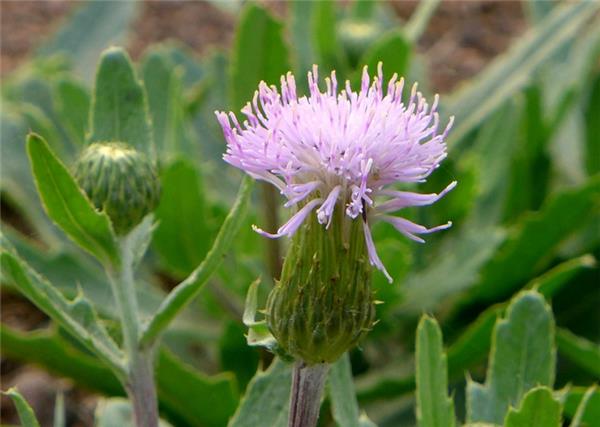
Introduction to thistle
Thistle is a perennial herb; its underground portion is often larger than its aboveground portion, with long rhizomes. The stem is upright, the young stem covered with white cobweb-like hairs, ridged, 30-80 cm tall, with a base diameter of 3-5 mm. It is a mesophytic plant with very strong adaptability, able to grow under any climatic conditions, commonly growing in colonies on abandoned land, cultivated land, roadsides and near villages, and is a common weed.
Every 100 grams of tender stems and leaves of thistle contains 4.8 g protein, 1.1 g fat, 5 g carbohydrates, 216 mg calcium, 93 mg phosphorus, 10.2 mg iron, 7.35 mg carotene, 0.39 mg vitamin B2 and 47 mg vitamin C. In autumn the roots are harvested, the stems and leaves removed, and they are washed for fresh use or sun-dried and cut into sections for use; in spring and summer the young whole plants are harvested, washed and used fresh. The overwintering type newly sprouted in autumn is also fresh, tender and tasty.
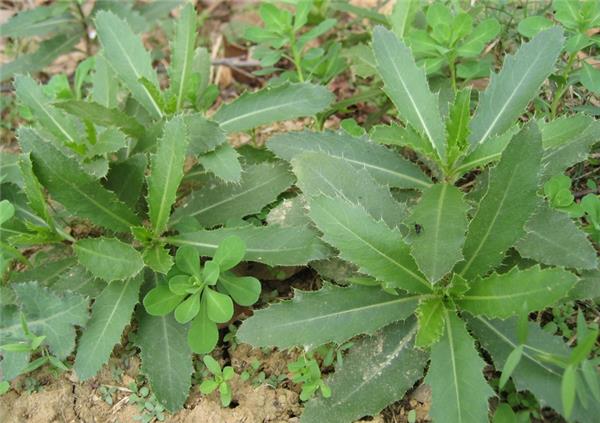
Benefits of thistle
1. Thistle has a hemostatic effect
In the countryside, everyone knows that if you accidentally cut your hand, you can mash thistle and apply it to stop the bleeding.
2. Thistle has an anti-inflammatory effect
Thistle can not only stop bleeding but also reduce inflammation. If you develop a boil, you can also use thistle to reduce inflammation and relieve pain.
3. Thistle has an effect in resolving blood stasis
Using thistle to resolve blood stasis and relieve pain is also very effective. If a traumatic injury is not too serious, you can directly mash thistle and apply it, and it will heal within a few days; eating it also produces the same effect.
4. Thistle has a role in treating acute hepatitis
People in the countryside all know that if a child develops acute hepatitis, thistle can be used to treat it.
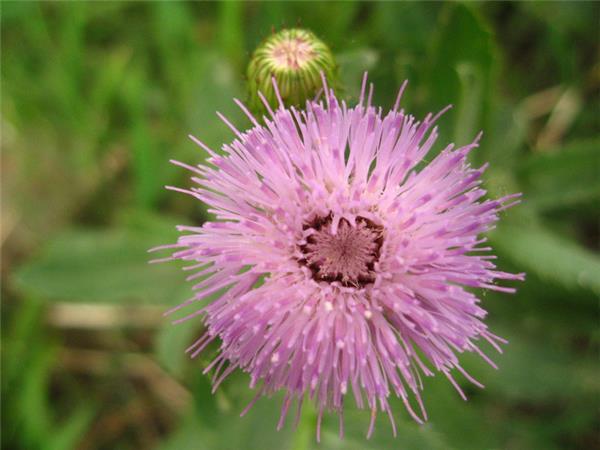
Effects of thistle
1. Effects on the blood system: Thistle is a traditional hemostatic Chinese medicine, and its hemostatic effect has been confirmed, with the active hemostatic components identified. Hemostasis is mainly achieved by constricting local blood vessels and inhibiting fibrinolysis.
2. Anti-mutagenic effect: Tests were carried out using a concentrated liquid obtained by decocting twice in water, and the results showed that thistle has a certain anti-mutagenic capacity.
3. Other effects: Thistle has an excitatory effect on the isolated, in situ and chronic fistula uteri of rabbits. However, it has an inhibitory effect on the in situ uterus of cats, the isolated uterus of rats and the isolated small intestine of rabbits. It appears to have a certain protective effect against sodium arsenite poisoning in mice, but not very markedly. It has a certain anti-inflammatory effect on formaldehyde-induced arthritis in rats, but not as much as cortisone.
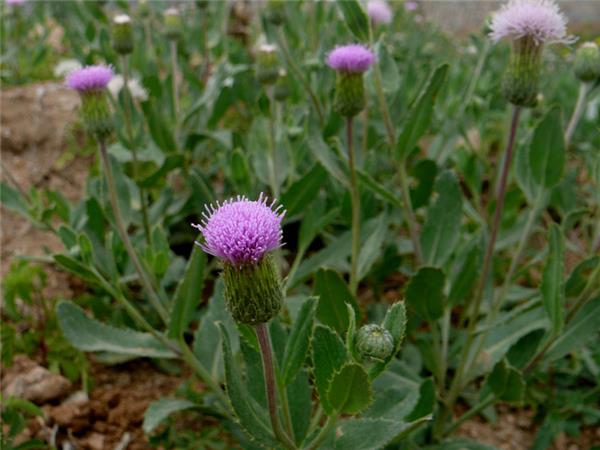
How to eat thistle
1. Cold-dressed thistle
The most common way to eat it is cold-dressed thistle: after washing the thistle, blanch it in boiling water, and then dress it cold according to your own taste.
2. Thistle as a filling
Many people like to use thistle as a filling for boiled dumplings, steamed buns and pancakes; whichever way it is eaten, it leaves a lingering fragrance on the lips and teeth.
3. Thistle porridge
Making porridge with thistle is also a very common way to eat it. Cut the vegetable finely, then put water in a pot and bring it to a boil, first add flour and bean flour, then add the thistle, and after it comes to a boil for a few rolls, it is ready to eat; it is a very delicious and very healthy way to eat it.
Dietary contraindications for thistle
1. It should not be taken by those with deficiency-cold of the spleen and stomach without blood stasis.
2. Avoid contact with iron utensils.
3. It is beneficial for weak stomach with diarrhea, and for extreme blood deficiency with weak spleen and stomach and no desire to eat.
4. It is not beneficial for qi deficiency.