How to Grow a Snake Plant: Detailed Guide to Care Methods and Precautions
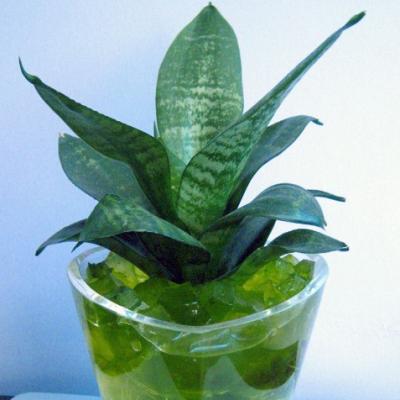
Snake Plant Care Methods and Precautions
The snake plant (Sansevieria) is a perennial herbaceous foliage plant with strong adaptability and easy survival. It is often used to decorate studies and living rooms, and is an excellent indoor foliage plant. Now let's learn about the care methods and care precautions for snake plants together!
Snake Plant Care Methods - Division Method
First, take the entire snake plant out of the pot, remove the soil from the roots, then divide it into several plants along the direction of its rhizomes. Apply a callus and antiseptic film to the cuts, and immediately spray the plant with a new high-fat film for heat preservation and frost protection. After letting it dry slightly, it can be potted.
Precautions: The potting soil is best a loose, fertile sandy culture soil, with 2-3 plants per pot.
Snake Plant Care Methods - Cutting Method
Cut mature leaves (over one year old) horizontally into small sections of about 8 cm (longer is also fine), let them dry in the shade for 1 to 2 days, then insert them upright into clean river sand (or perlite, vermiculite), inserting 3 cm to 4 cm deep.
Precautions: Do not insert upside down. Maintain a certain humidity, but it should not be too wet, to avoid rotting. Place in a location with scattered light and air circulation. The cutting method can only be used when the temperature is between 15°C and 25°C.
Other Precautions for Snake Plant Care:
1. In spring, when new plants sprout at the root crown of the snake plant, water more appropriately to keep the potting soil moist; in the high-temperature summer season, the potting soil should also be kept moist regularly; after late autumn, the amount of watering should be controlled, and the potting soil should be kept relatively dry to enhance cold resistance.
2. If the snake plant is placed indoors for a long time, it should not be suddenly moved directly into the sunlight. It should first be moved to a place with better light, allowed to have an adaptation process, and then exposed to sunlight, to avoid the leaves being scorched.
3. The snake plant does not have high fertilizer requirements. During the growing season, apply 1-2 times a month of thin liquid fertilizer to ensure the leaves are verdant and thick. It is not strict about soil requirements, and sandy loam with good drainage is better. Its optimum growth temperature is 20-30°C, and the overwintering temperature is 10°C.