A Detailed Guide to Growing Crabapple Flowers and Their Characteristics
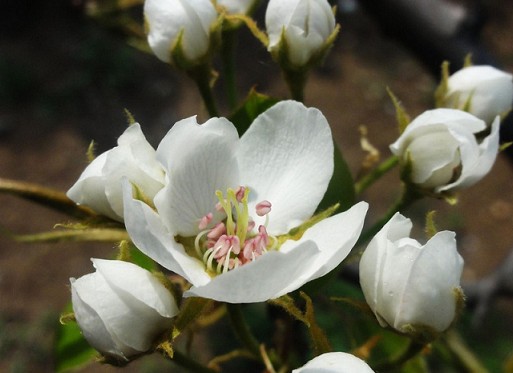
How to Grow Crabapple Flowers
Crabapple flowers bloom with a delicate and charming beauty, and have long been known as the "national beauty." Since ancient times, many scholars and writers have composed verses about crabapple flowers, leaving behind a wealth of excellent works. Today, crabapple flowers symbolize gentleness, beauty, and happiness, winning the affection of many people. Many people have begun to grow crabapple flowers, but for amateur enthusiasts, the methods for growing crabapple flowers are also worth learning.
Crabapple (Malus spectabilis) likes sunlight, can also tolerate partial shade, is cold-hardy, and is not demanding about its environment. It is suitable for growing in loose, fertile, deep sandy soil with good drainage. After understanding the habits of crabapple flowers, it is easier to grasp some cultivation tips:
Appropriate Light and Temperature
The suitable temperature for crabapple growth is 18~20°C, with a well-ventilated environment that has scattered light. In hot seasons, measures such as shading, ventilation, and misting are needed; in winter, it is best to keep the room temperature above 10°C, and the plant can be placed in a sunny spot. Turn the flowerpot direction frequently so it does not lean and grow toward one light direction.
Different Watering by Season
Watering should keep the potting soil moist. In dry weather and midsummer, mist the leaves and ground as well to raise air humidity, which is good for growth. Avoid waterlogging in the pot and rain exposure, otherwise root rot easily occurs. In winter, it is better for the potting soil to be slightly dry; every 7 days, spray the leaves and the surroundings with clean water, which both increases humidity and keeps the leaves clean.
Prune Frequently to Maintain Shape
Pinch back often, and do not begrudge the flower buds. Continuously pinch off the tips of each branch so it keeps branching and becomes ball-shaped, rather than growing into one long stem, which is not only ugly with few flowers but also easy to break.
In addition, if the leaves are too dense, remove some; spent flowers should also be pruned promptly, as poor ventilation can easily lead to mold diseases.
Recommended Reading:
Freezer compartment icing up
Refrigerator temperature adjustment
What to do when the toilet is clogged
The growth process of garden balsam
How to grow lucky bamboo
How to grow Sempervivum tectorum
The hazards of marble
How to wash off 502 glue
Pros and cons of ash wood furniture
Which brand of water purifier is good
Set-top box remote control setup
Double-door refrigerator dimensions
Which brand of LED spotlight is good