How to Grow Hydrangeas? Detailed Guide to Cultivation Methods and Precautions
Many people love hydrangeas for their rich colors and visual appeal, as they have high ornamental value. So do you know how to grow hydrangeas?
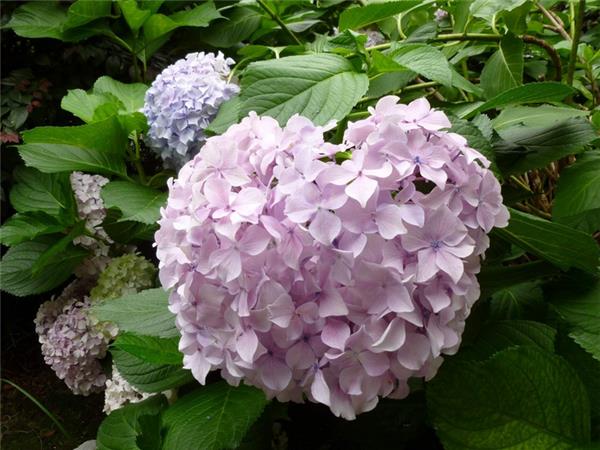
How to Grow Hydrangeas
1. Soil selection. Generally, hydrangeas prefer humus-rich, well-drained, slightly acidic soil. This kind of soil contains organic fertilizer and can benefit hydrangea growth. When choosing soil, it is best to choose humus-rich soil;
2. Suitable growing temperature. First, we need to understand the growing temperature for hydrangeas. Generally, the suitable growing temperature for hydrangeas is 18-28°C, and the winter temperature should not be lower than 5°C. A temperature of 20°C can promote flowering and growth, so we also need to meet the temperature requirements, as this will help hydrangea growth;
3. Sufficient water. Generally, hydrangeas grow under conditions of sufficient fertilizer and water, which can make them grow faster. Hydrangeas also prefer sufficient water, but be careful not to overwater. Generally in summer, under hotter weather conditions, you can spray some water on the leaves and the ground, which helps maintain air humidity;
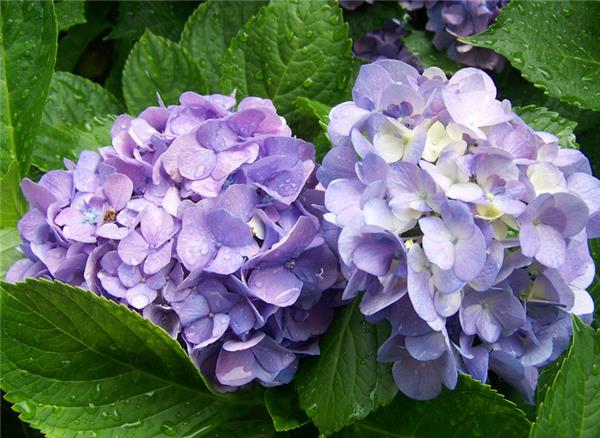
4. Appropriate fertilization. Generally, during the vigorous growth stage of hydrangeas, they need to be given sufficient nutrients. You can apply a dilute decomposed cake fertilizer solution once every half month, which can promote hydrangea growth and also make the hydrangea flowers larger, which is beneficial for growth;
5. An appropriate amount of light time. Generally, hydrangeas grow slowly in winter, so in winter they need an appropriate amount of light. It is recommended to place hydrangeas on a balcony and give them an appropriate amount of light to promote their growth. At the same time, in summer, when sunlight is too strong, it is recommended to place them indoors for cultivation.
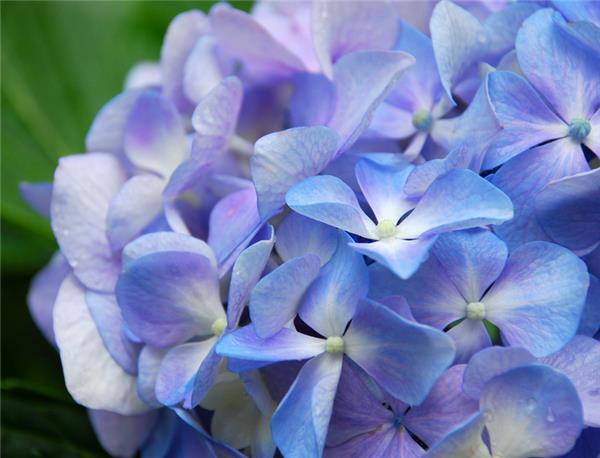
Precautions for Hydrangea Cultivation
1. Temperature and light should be moderate: increase warmth in winter and cool down and shade in summer. To grow hydrangeas well, you must pay attention to the temperature and light of the surrounding environment. Hydrangeas can only grow normally between 15°C and 27°C. Therefore, in winter, try to move them indoors to a bright, sunny place for cultivation, and the minimum room temperature should not be lower than 5°C, otherwise the hydrangeas will freeze to death or stop growing. In summer, focus on cooling and shading to prevent the leaves from being scorched. Excessive sunlight will only cause the leaves to discolor or even fall off.
2. Watering and fertilizing should be moderate: water and fertilize more during bud formation, and water less and do not fertilize during dormancy. Usually, when watering hydrangeas, you only need to keep the soil surface moist. In summer, you can use spraying to lower the temperature around the leaf surface. In winter, water as little as possible; half wet and half dry is fine. During bud formation, water more, at least 2 times a day, and fertilizing work should also be done well. During bud formation, apply a light fertilizer to hydrangeas once every ten days. You can add a little ferrous sulfate to the light fertilizer to make alum fertilizer water, or you can spray some liquid fertilizer on the leaves once every half month. Doing this can encourage the buds to bloom. During the dormant period, do not fertilize anymore, and let the hydrangeas get sufficient rest.
3. Be ruthless with weeding and pruning: when pruning, pinch off growing tips and remove diseased and dead branches. The growing environment of hydrangeas should always be kept clean. Weeds around them that compete for nutrients should be removed promptly as soon as they appear. Absolutely do not show mercy or leave any stragglers. Generally speaking, in order to make the plant shape more attractive, it is necessary to pinch off growing tips when there are too many new leaves. Also pay attention to pruning some leggy branches and overly dense branches. In addition, after flowering, diseased branches and residual leaves are also our main pruning targets. These miscellaneous branches should be removed promptly to avoid competing with the main branches for nutrients.
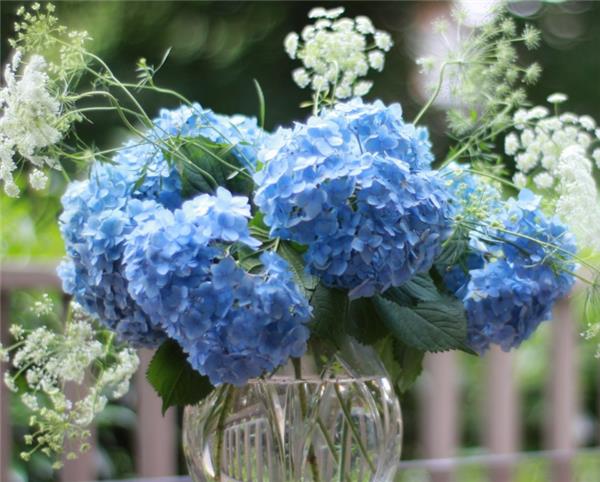
The Effects and Functions of Hydrangeas
1. The ornamental function of hydrangeas
Hydrangea, also called eight immortals flower or ziyang flower, is a type of plant in the Saxifragaceae family. Its flower shape is unique, and when fully open it looks like a beautiful embroidered ball. The flower colors vary, including white, red, and blue, among others. It is one of the common potted flowers and has high ornamental value. In addition, hydrangeas are also common plants in parks and scenic garden areas in various places. They mostly exist in patches and are the most attractive natural scenery in these scenic areas.
2. Hydrangeas can be used as medicine
Hydrangea is a distinctive medicinal plant. The leaves of this plant have a good therapeutic effect on human malaria. For treatment, 10 grams of hydrangea leaves can be added to 10 grams of Dichroa febrifuga and decocted together in clear water before taking. Hydrangea can also be used to treat human kidney wind. For treatment, take 7 pink hydrangea flowers, decoct them in clear water, and then wash the affected area.
They mostly exist in patches and are the most attractive natural scenery in these scenic areas.2. Hydrangeas can be used as medicine
Hydrangea is a distinctive medicinal plant. The leaves of this plant have a good therapeutic effect on human malaria. For treatment, 10 grams of hydrangea leaves can be added to 10 grams of Dichroa febrifuga and decocted together in clear water before taking. Hydrangea can also be used to treat human kidney wind. For treatment, take 7 pink hydrangea flowers, decoct them in clear water, and then wash the affected area.