How to Grow Geraniums? Detailed Guide to Cultivation Methods and Precautions
Geranium is a perennial herbaceous flowering plant. Because its flowers cluster densely into balls, it is also called "foreign hydrangea." Do you know how to grow geraniums? Here is a brief introduction for everyone.
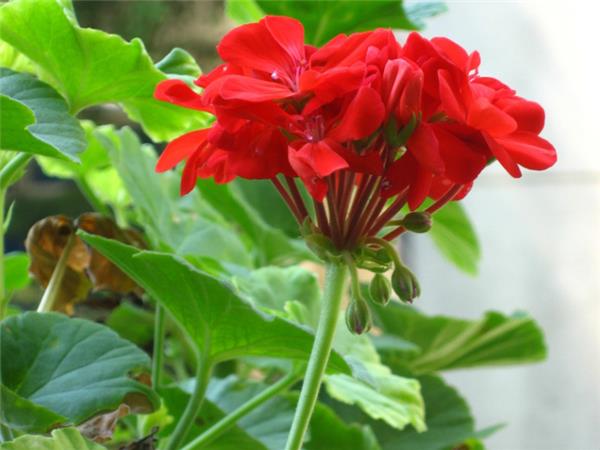
How to Grow Geraniums
1. Soil Selection for Growing Geraniums
For potted geraniums, the growing medium can be a mix of 4 parts humus soil, 3 parts garden soil (or peat soil), 2 parts river sand (or perlite), and 1 part organic fertilizer. It can also be prepared by mixing fine sandy soil, humus soil, perlite, and organic fertilizer. For potted geraniums, repotting should be done in autumn.
2. Fertilization Methods for Growing Geraniums
During the growing period, apply liquid fertilizer once every 10-15 days. In spring and autumn, the two seasons of vigorous growth, apply liquid fertilizer once every 7-10 days. Before buds appear, mainly use nitrogen fertilizer; after buds appear, mainly use phosphorus and potassium fertilizer, with a concentration of 0.1%-0.2%. If the indoor temperature is relatively high in winter and the plant has not stopped growing, fertilizer should also be applied. During the high-temperature period in summer, the plant is in a semi-dormant state and fertilization should be stopped. Because its stems and leaves have fine hairs, rinse immediately with clean water after fertilizing.
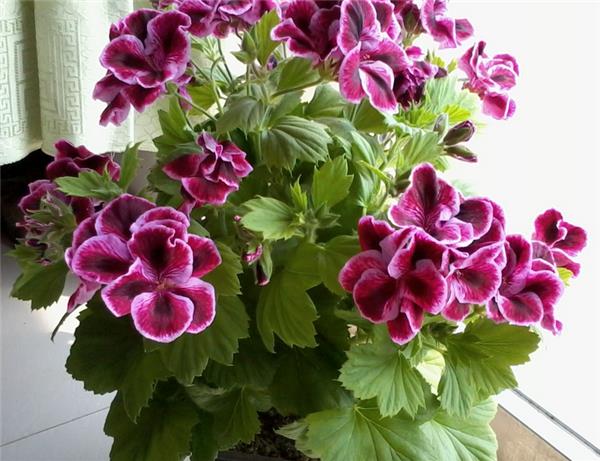
3. Watering Methods for Growing Geraniums
Watering should be appropriate, preferring dry over wet. During the peak growing seasons of spring and autumn, sufficient water should be provided to keep the potting soil consistently moist, but not waterlogged. On cold cloudy days, generally do not water or fertilize. In summer, water less. In the high-temperature season in the north, which coincides with the rainy season, the plant's root system is relatively weak during this period, so excessive rainwater irrigation should be avoided. Continuous rainy days can cause root rot, so the plant should be placed in a shaded, cool, high and dry, well-ventilated place. In winter, watering can be based on indoor temperature: water less when the room temperature is low, and more when the room temperature is high. Geraniums have a strong drought tolerance and will not die of dryness if not watered for several days, but old leaves will turn yellow and fall off.
Water by the principle of "dry-wet alternation." Too-wet potting soil easily causes root rot, while too-dry potting soil easily causes leaves to turn yellow and wither. From June to July, the plant is in a semi-dormant state, and watering should be strictly controlled. In summer, spray water frequently to lower the temperature, keep the potting soil moist, and also pay attention to ventilation and light transmission. In winter, restrict watering.
4. Temperature Requirements for Growing Geraniums
Geraniums prefer warmth, avoid high temperatures, and fear cold. The suitable temperature for geranium growth is 15-25°C. In winter, the indoor temperature should be maintained at 10°C. Below 3°C, they are susceptible to cold damage, although some varieties can tolerate low temperatures of 0°C. In summer, when the temperature exceeds 35°C, they enter a semi-dormant state.
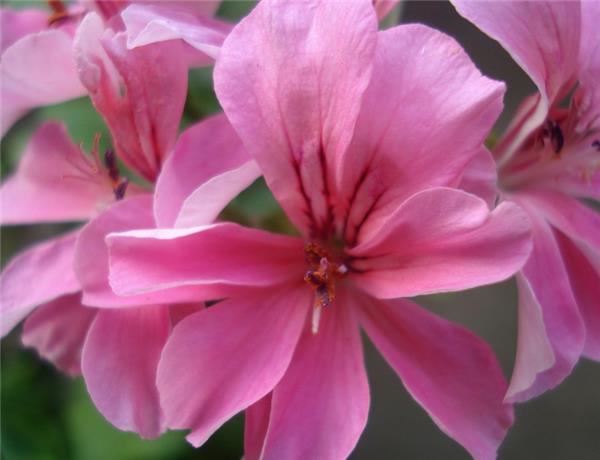
5. Light Requirements for Growing Geraniums
Under direct sunlight, they grow robustly, with dark green leaves, short internodes, and a beautiful plant shape. However, when summer light is too strong, 30%-50% shading is needed. When grown at home, they should be placed in a spot with direct sunlight in autumn, winter, and spring. When flowering, they can be moved indoors for enjoyment, but after flowering they should still be placed in a lighted spot. They prefer sufficient sunlight; when light is insufficient, they will not bloom. During the flowering period, avoid direct strong light, otherwise the petals will scorch and wither and easily fall off.
Rotate the pot once a week so that the leaf surface receives light evenly. Keep the plant shape well-balanced. In summer, place it in a cool place and avoid exposure to the scorching sun. In winter, the room temperature should not be lower than 5°C, and give it full light.
6. Pest and Disease Control for Growing Geraniums
The main diseases of geraniums include mosaic disease, crinkle disease, chlorosis, gray mold disease, root rot, and bacterial wilt. The main pests include white ants, caterpillars, small plume moths, and so on. To control mosaic disease, eliminating aphids is of great significance, and other parasitic plants nearby should also be cleared away. To control small plume moths, spray with a 1000-fold dilution of 90% trichlorfon.
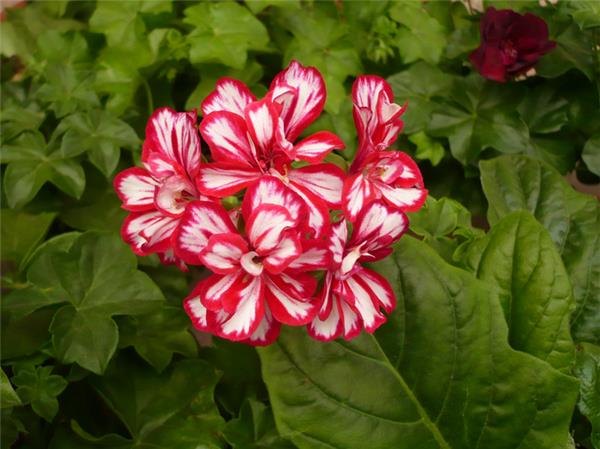
Precautions for Growing Geraniums
When growing geraniums, pay attention to pest and disease control so that the plants do not fail to grow healthily because of pests. Also pay attention to sun exposure, especially in summer, and avoid exposure to the scorching sun. Water should also be applied appropriately; do not pour a very large amount of water at one time, as this may also drown the plant.
High temperatures, direct sunlight, and water accumulation in the pot after rain will all affect geranium dormancy and may even cause root rot and death. Therefore, during the dormant period, place it on a shaded balcony, windowsill, or in a courtyard spot that avoids light and is not exposed to rain.