Is Geranium Poisonous? What Are Its Benefits and Effects?
Geraniums are elegant yet can also be vibrant and lovely, deeply loved by people, and are often kept as potted plants indoors for purification and decoration. So do you know whether geraniums are poisonous? What are the benefits and effects of geraniums?
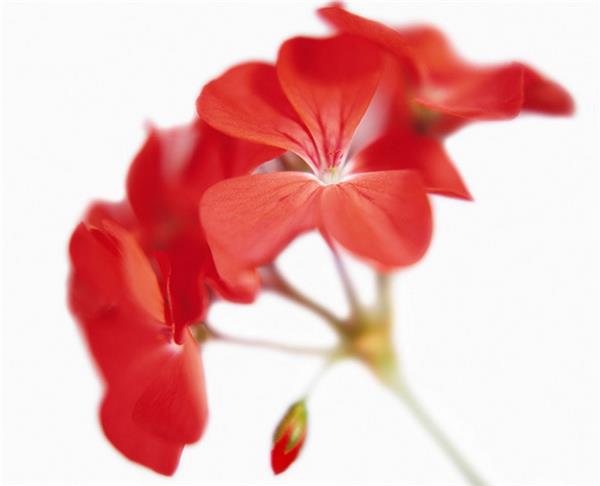
Is Geranium Poisonous?
Geraniums themselves are non-toxic, so you can safely grow them at home. Of course, for people with allergic constitutions, their pollen can easily trigger allergic reactions in those with sensitive skin, so geraniums should be avoided indoors. The scent of geraniums is somewhat like roses and somewhat like mint; not only are they non-toxic, but they can also help regulate hormones, stimulate lymphatic detoxification, and balance skin oil secretion. Geraniums are also an excellent insect repellent. Pregnant women during pregnancy and households with infants are also not suited to placing geraniums, because pregnant women and babies are quite sensitive and may experience allergic reactions or other conditions due to the stimulation from geraniums.
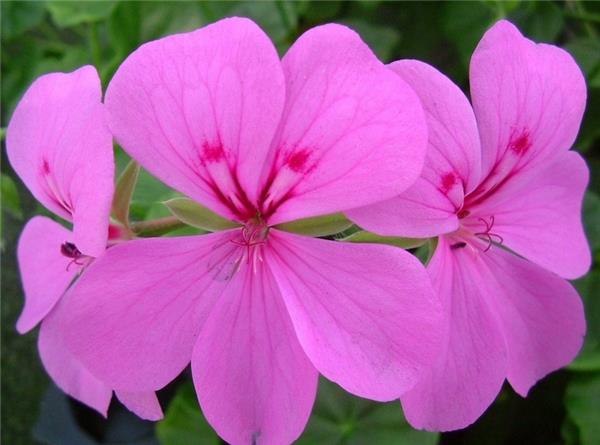
Benefits and Effects of Geranium
Effects of Geranium:
The value of geraniums is mainly reflected in their economic value and medicinal value. First, as an ornamental plant itself, with its rich flower colors and lovely flower shapes, it is often sold as a potted plant on the market, and its price and profit are both considerable.
Another effect of geraniums is their medicinal value. In traditional Chinese medicine properties, geraniums have the effects of relieving pain, fighting bacteria, enhancing cellular defense function, deodorizing, stopping bleeding, and tonifying the body. They can also deeply cleanse the skin, tighten pores, and balance quality secretion.
Suitable for various skin conditions, because it can balance sebum secretion and make the skin plump. It may be beneficial for eczema, burns, shingles, herpes, ringworm, and chilblains.
Its main medicinal value lies in pain relief, antibacterial action, promoting scarring, enhancing cellular defense function, deodorizing, and stopping bleeding. It also has certain effects on tonifying the body, constricting blood vessels, asthma, liver detoxification, gallstones, kidney detoxification, kidney stones, diuresis, and muscle soreness.
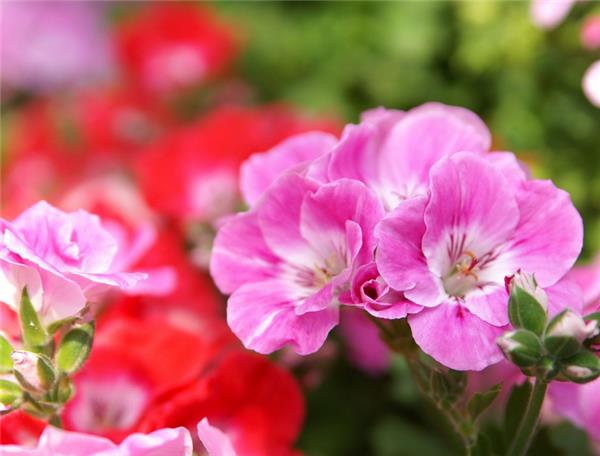
Benefits of Geranium:
Stopping bleeding, constricting blood vessels, asthma, liver detoxification, gallstones, kidney detoxification, kidney stones, diuresis, muscle soreness, oily skin, revitalizing aging skin, herpes, pale skin, weight loss, promoting scarring, eczema, burns and sunburn, ringworm, irregular menstruation, breast congestion and inflammation, relieving depression and restlessness, tonifying the body, deodorizing, antibacterial, sterilizing, quitting smoking [and alcohol]. It may irritate certain sensitive skin types. It can regulate hormones, so it is advisable not to use it during pregnancy.
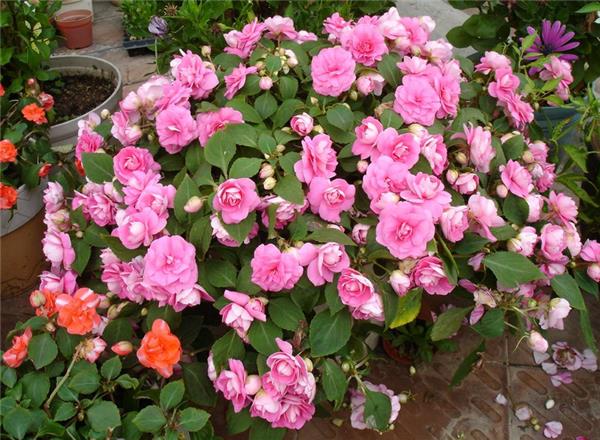
The Role of Geraniums in Matching Home Decor Styles
Geranium, also known as zonal geranium, fish geranium, horseshoe geranium, and pelargonium, belongs to the Geraniaceae family and includes about 230 species of perennial succulent, subshrub, or shrub plants.
Geraniums prefer warm winters and cool summers. Indoors in winter, maintaining 10-15°C during the day and above 8°C at night allows them to bloom normally. However, the optimal temperature is 15-20°C. Geraniums prefer dryness and dislike dampness, so watering should not be excessive in winter; water only when the soil is dry. If the soil is wet, the stems become soft and tender, which is unfavorable for the sprouting and opening of flower branches; prolonged excessive moisture will cause the plant to grow leggy, the flower branch attachment points to move upward, and the leaves to gradually yellow and fall off. Geraniums need sufficient sunlight during their growing period, so in winter they must be placed in a sunny spot. Insufficient light leads to leggy stems and leaves, thin and soft peduncles, and poor inflorescence development; flower buds under weak light often fail to open smoothly and wither prematurely. Geraniums do not like heavy fertilization; too much fertilizer will cause geraniums to grow excessively and hinder flowering.
Young geranium plants are succulent herbs, while older plants become semi-woody; in the West, they are excellent flowers for decorating windowsills, and are especially common in continental Europe, such as in Germany and Austria.