How to plant Alocasia? A step-by-step guide to growing it
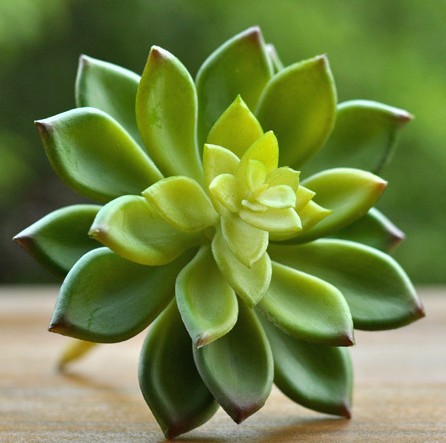
How to grow Alocasia
Alocasia is easy to grow successfully. Water it regularly to keep the soil moist, but also prevent excessive moisture, waterlogging, or standing water in the pot, as this can cause the tubers to rot. Therefore, when potting up, a layer of coarse sand or similar material should usually be placed at the bottom of the pot as a drainage layer to improve drainage. During hot, dry periods, spray water to raise humidity, which gives it the external conditions for vigorous growth.
For potted Alocasia, a loose, well-drained, airy soil rich in humus is ideal; generally, equal parts of leaf mold, garden soil, and river sand mixed together can be used as the growing medium.
April to September is its vigorous growth period; at this time it needs moist soil and relatively high air humidity, so give it plenty of water. Especially during the high-temperature summer period, the leaves lose a lot of water through evaporation and need even more water; a lack of water can easily cause the leaves to wilt, so spray the leaf surface frequently and keep the environment humid, but be sure to avoid standing water in the pot, otherwise it will cause root rot.
During the growing season, except for shading needed from June to September, it is best to give it half a day of light at other times. If kept indoors for viewing, place it near a south-facing window. After being indoors for 1 month, it should be moved to a humid spot under a shed for a period of care.
In autumn, when the temperature drops below 15°C, Alocasia growth stalls and it enters a dormant state, and the above-ground leaves gradually begin to wither. At this time, minimize watering, place it in a warm, windless, dry place, and keep the potting soil appropriately dry (only slightly moist) to help it overwinter safely; if humidity is high and the temperature is low, the tubers are very prone to rot.
Throughout its growth period, Alocasia requires partial shade conditions. If the light is too strong, the leaf color can easily become dull and even cause sunscald; but if the light is too weak, it can easily become leggy, with thin, spindly growth that tends to fall over.
During the vigorous growth period, depending on the plant's growth, apply a dilute liquid fertilizer 1-2 times a month, and add extra phosphorus and potassium fertilizer to help the stems stand upright and grow robustly, while also helping the tubers grow plump and resist cold for overwintering.