Impatiens growth process pictures, a full record from germination to flowering
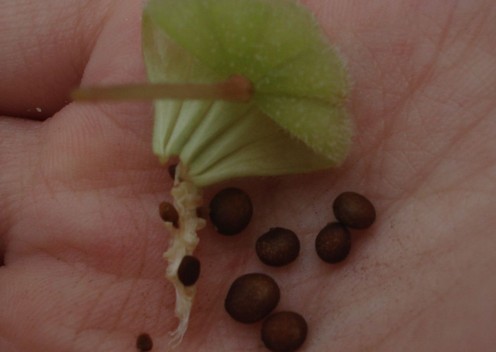
The growth process of impatiens - sowing
Impatiens is sown in spring; it is best to choose a slightly acidic soil such as leaf mold mixed with sandy soil. This mixed soil is soft and fertile, has good air permeability, and drains well too. After sowing, under suitable temperature and humidity, the tender little impatiens seedlings can break through the soil in as fast as a week or as slow as half a month.
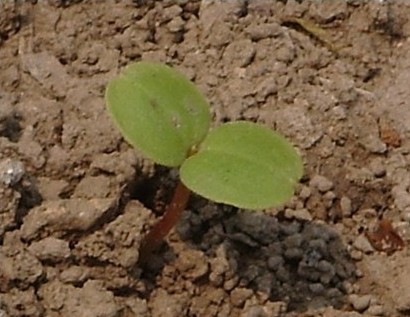
The growth process of impatiens - emergence of seedlings
After the seedlings emerge, pay attention to shading and water appropriately. Basically after another week, a pair of true leaves can sprout on the impatiens seedlings. After the true leaves gradually become multiple pairs, pinching can be done appropriately, laying a good foundation for the growth of the main flower buds and the overall shape.
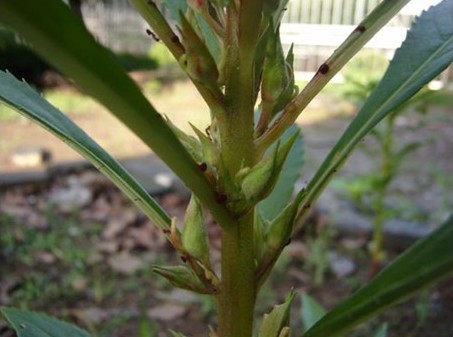
The growth process of impatiens - growth period
The growth period is the most important stage for impatiens. Its growth rate is generally relatively fast, and it will gradually grow branches, dense leaves, and flower buds. At this time, we should give impatiens more water so that the potting soil looks moist, but be careful not to let water accumulate at the roots, otherwise it is very easy to cause root rot and yellowing leaves.
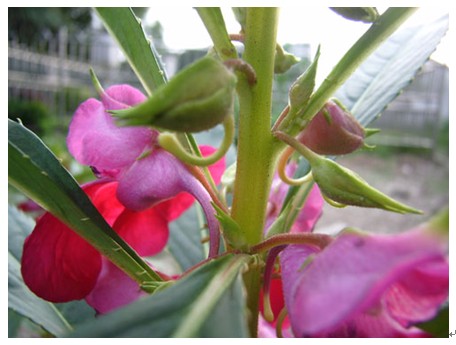
The growth process of impatiens - flowering
After impatiens forms buds, it will gradually move into the flowering period, and buds will bloom one after another. In addition to pinching during the seedling stage, pinching is also needed during the flowering period. During the flowering period of impatiens, some flowers will open particularly early. We can cut off these flowers and the overly dense flower buds on the branches so that it maintains the best growth shape and bright floral appearance.
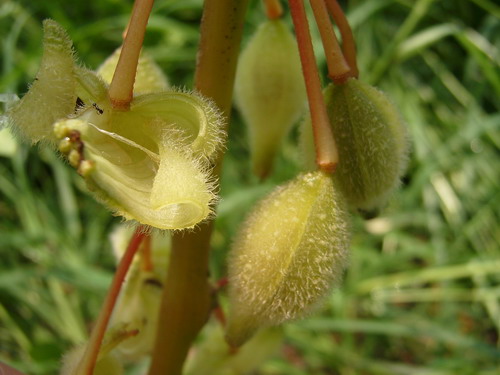
The growth process of impatiens - fruiting
August and September are the fruiting period of impatiens. The fruit is shaped like a small spindle and is covered with some fine, soft white fuzz. After the impatiens fruit matures, we should harvest and collect the seeds in time, so as to prevent the fruit from splitting open and ejecting the seeds into the soil to reproduce on their own.