How to care for Peperomia obtusifolia? Detailed guide to cultivation methods and precautions
Peperomia obtusifolia is native to the West Indies, Panama, and northern South America. It prefers a warm, humid, semi-shaded environment. It is not tolerant of high temperatures, requires relatively high air humidity, and dislikes direct sunlight; it prefers loose, fertile, well-drained moist soil.
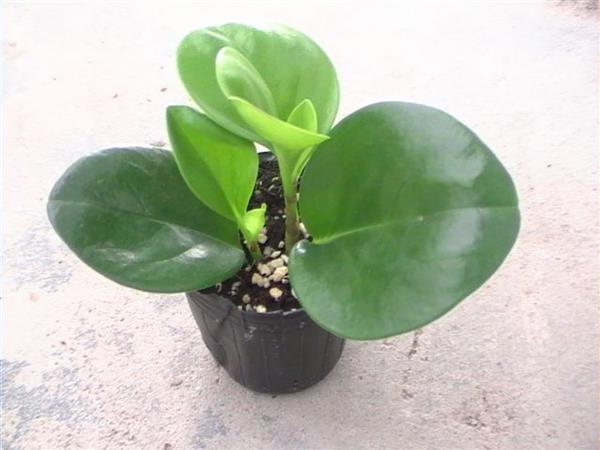
The main horticultural varieties include
(1) Variegated Peperomia, with red spots on the stems, dark green leaves with yellow markings along the edges that later turn nearly white; (2) 'Green Gold', with yellow markings on the leaves.
Peperomia obtusifolia is mostly propagated by cuttings and division.
Cuttings: In April-May, select healthy terminal shoots about 5cm long as cuttings, keep 1-2 leaves on the upper part, and after the cut end has dried, insert into a moist sand bed. Leaf cuttings can also be used: cut off a leaf with its petiole, let it dry slightly, then insert it obliquely into a sand bed, and it will root in 10-15 days. In a greenhouse with temperature control equipment, this can be done year-round.
Division: mainly used for propagating variegated varieties.
Peperomia obtusifolia prefers a warm, humid, semi-shaded environment. The optimal growing temperature is around 25°C, and it must not go below 10°C. It is not tolerant of high temperatures, requires relatively high air humidity, and dislikes direct sunlight; it prefers loose, fertile, well-drained moist soil. For potted plants, keep the potting soil moist but not waterlogged; when watering, it is better to err on the side of less rather than more, and the principle is to water again once the soil has dried. Bright indirect light indoors is sufficient, especially avoiding direct sunlight in summer, as insufficient light will cause the leaf color to fade and lose its luster. In winter, place it in a spot with ample sunlight, reduce watering, and keep it above 10°C. The potting soil should be loose, fertile, rich in humus, and well-drained sandy soil.
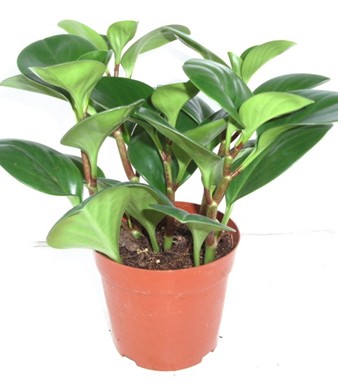
The potting soil can be made from leaf mold, peat soil plus some perlite or sand, with an appropriate amount of base fertilizer added. During the growing season, apply a top dressing once every half month. For watering, water that has been left standing in a water tank for 1-2 days is best. Reduce watering in winter. Temperature changes directly affect leaf color; the optimal winter temperature for variegated varieties is 18-20°C, while for green-leaf varieties it is around 15°C. In the heat of summer, it fears heat, so it can be placed under a shade shed and misted to cool it down, but note that both excessive heat and excessive moisture can cause the stems and leaves to turn black and rot. In winter, place it in a spot with ample light; in summer, avoid direct sunlight. Repot once every 2-3 years.
Peperomia obtusifolia has relatively few pests and diseases. When the soil is too wet, leaf spot and stem rot often occur, and occasionally scale insects and slugs cause damage, which should be controlled promptly.