How to Grow Peperomia? Detailed Growing Methods and Precautions
Peperomia, also known as dime-leaf peperomia, little jade, or pepper grass, is an evergreen perennial succulent herbaceous plant of the Piperaceae family. Its leaves are jade-green and glossy, its plant form is neat, and it is relatively shade-tolerant and small and lovely. It is commonly grown in white plastic pots or white porcelain pots and placed on coffee tables, decorative cabinets, curio shelves, or office desks, where it is very beautiful, fresh and pleasing to the eye, and elegant in a distinctive way.
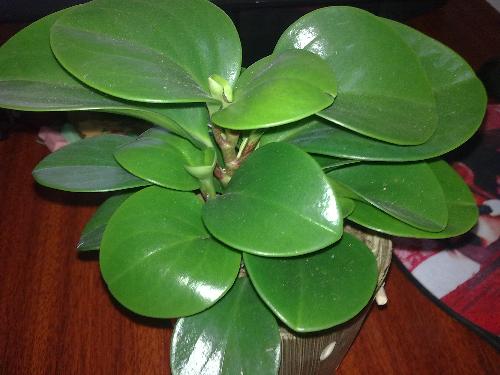
Peperomia is native to Venezuela and prefers a warm, humid, semi-shaded environment. It is not tolerant of cold, strong light, or drought.
1. Substrate: It prefers to grow in loose, fertile, well-drained sandy soil rich in humus, and grows poorly in clay. A general substrate mix can be made by combining leaf mold + river sand + a small amount of decomposed organic fertilizer. If conditions permit, a mix of peat soil and perlite can be used for cultivation.
2. Light: It prefers semi-shade or diffused light. Apart from needing sufficient light in winter, it needs a little shading in other seasons, and especially in summer it needs more shading. If placed in a shaded environment, it easily becomes leggy, with increased spacing between branches, reducing its ornamental value, which is also not advisable. Under semi-shaded conditions, the leaf color is brighter and the gloss is better, especially for variegated varieties, which have a slightly higher demand for sunlight.
3. Temperature: It prefers a warm environment. The suitable growing temperature is between 20-30°C. The overwintering temperature is best kept above 10°C; below 10°C growth stops, and below 5°C it is prone to cold damage.
4. Humidity: It prefers a humid growing environment. Under high-humidity conditions it grows luxuriantly and its leaf color is vivid. When the temperature is high or the air is dry, leaf spraying should be increased or water should be sprinkled in the growing environment to maintain relatively high air humidity, which is extremely beneficial to the plant's growth. It can also adapt to short periods of dry environment, but not for long, and generally should be kept at around 70%.
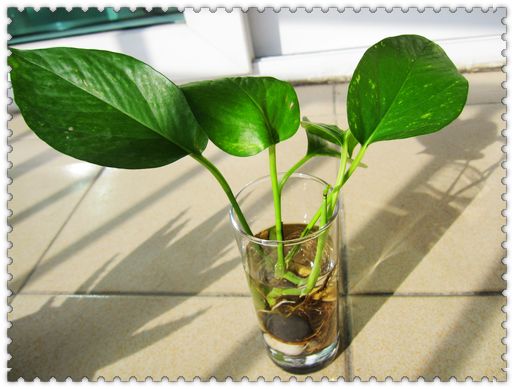
5. Watering: It relatively prefers water and is not tolerant of drought. During the growing period it should be watered frequently. When the temperature is above 25°C or the air is dry, it should be watered somewhat more, but waterlogging must also be prevented. When the temperature is below 25°C, water thoroughly again only when the pot soil surface is dry. When the temperature is below 10°C, it can tolerate several days of dryness without watering.
6. Fertilizing: When the temperature is above 18°C, a small amount of fertilizer is needed. When the temperature is below 18°C or above 30°C, it is best to apply little or no fertilizer. Fertilizing is best done in small amounts and multiple times, and watering with diluted fertilizer solution instead of clear water is optimal. It is not tolerant of raw fertilizer or concentrated fertilizer, and fertilizer damage is easily caused. Foliar spraying of fertilizer solution can also be used for fertilizing, with good results. The main fertilizers are nitrogen fertilizer and potassium fertilizer, with phosphorus fertilizer secondary.
7. Pruning and Propagation: For newly propagated young seedlings, when the seedling height is about 10 cm, the growing tip should be pinched off to increase the number of branches, so that the plant form is fuller and the ornamental value is higher. For large plants, pruning is generally determined by growth vigor. Cutting back leggy branches can provide cutting material, which roots easily and can be inserted into clean river sand or vermiculite, or directly inserted into sandy soil. Propagation can also be done by leaf cuttings and division. The environmental temperature generally required for propagation is between 20-25°C. Leaf cuttings need to have a leaf stalk and should be inserted upright or slightly tilted into river sand, with the insertion depth being 1/4-1/3 of the leaf stalk. Keep the substrate moist and the air humidity relatively high, and roots and adventitious buds will form in 2-3 weeks. Once the small buds are somewhat larger, they can be transplanted.