How is the Aglaia odorata? Cultivation methods and precautions
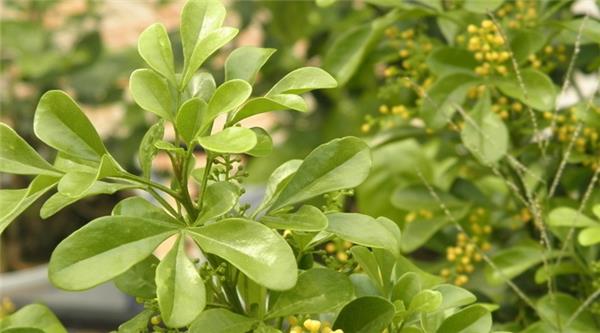
1. For potted Aglaia odorata seedlings, pay attention to shading, and never expose them to strong sunlight. After the seedlings grow new leaves, fertilize once every 2 weeks, but the amount of watering must be controlled and it should not be too wet. Apart from shading at noon in midsummer, it should get plenty of sunlight, so that the Aglaia odorata not only blooms many times but also has a rich fragrance. In areas north of the Yangtze River, it must be moved indoors for care in winter.
2. Use loose soil with good drainage and aeration for potting. Repot once every 1 to 2 years, and fertilize once every 1 to 2 weeks during the growing period. It is mostly planted in courtyards in the south; in the north it is potted, and in spring, summer and autumn it should be placed outdoors in a place where direct sunlight can reach it. In winter, move it indoors to a place with direct sunlight, and the overwintering temperature should be above 10°C.
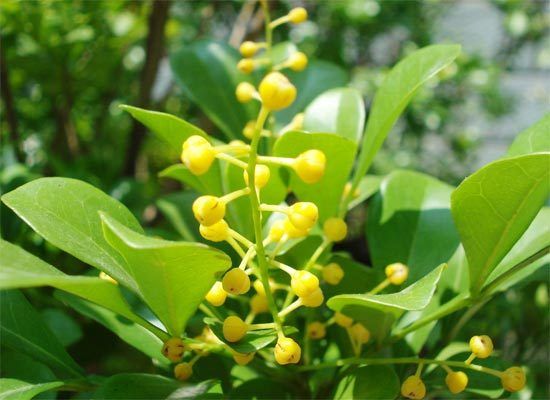
3. After the adult mother plant blooms, it will bear small red fruits that are oval and look like the fruit of the bitter chinaberry tree. When the fruits turn reddish brown, pick them, soften them by soaking in warm water, peel off the fleshy skin, and then sow the seeds as soon as they are collected in a pot of sandy soil. If sown in summer and autumn, they will germinate in about one month. The seedlings can only bloom after two or three years of growing into mature plants, unlike the small seedlings propagated by the high-altitude layering method, which can fill the branches with wonderful fragrance in the same year.
Precautions for cultivating Aglaia odorata1. Suitable temperature. Aglaia odorata likes warmth, and the higher the temperature, the more fragrant the flowers it produces. Generally speaking, when the temperature is above 30°C and under sufficient sunlight, the flowers produced are strongly fragrant; on the contrary, in an environment below 30°C, if it is also in a shaded place with insufficient light, the flowers produced are not as fragrant as when the temperature is high. To grow Aglaia odorata well, the suitable temperature range is between 20°C and 35°C, and from June to October it can bloom as many as 5 times.
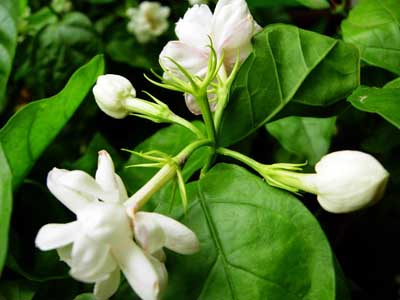
 3. Reasonable fertilization. Aglaia odorata has a strong flowering capacity and blooms many times, so nutrients must be supplemented in time. After each bloom of Aglaia odorata, nutrients should be supplemented promptly. Insufficient fertilizer is the main reason Aglaia odorata only grows leaves without blooming or drops leaves and buds. Therefore, when the temperature rises, Aglaia odorata should be moved outdoors for care, and after one week the soil should be loosened and some dilute nitrogen fertilizer applied. Either 10% to 20% decomposed cake fertilizer water or human feces and urine can be used. After that, apply liquid fertilizer once about every 10 days to promote the growth of branches and leaves. From June, Aglaia odorata enters the peak growth and flowering period, until mid-October. About every 15 days, apply a thicker fertilizer mainly based on phosphorus fertilizer once, or spray a 0.3% potassium dihydrogen phosphate solution once every 15 to 20 days, and the flowering will be even more abundant. Pay special attention that during the flowering period, phosphorus fertilizer must be the main type, otherwise the situation of only growing leaves without blooming will occur. During the flowering period from June to October, if fertilization is insufficient, not only will the number of blooms decrease and the flowers not be fragrant, but the flower buds that have already appeared will also wither and fail to open.
4. Appropriate watering. Decide how much to water according to the size of the Aglaia odorata plant, changes in climate, and the placement location, so as to water at the right time and in the right amount. Before the Aglaia odorata blooms, apply more phosphorus and potassium fertilizer, and if there is often scattered sunlight and moderate watering, the fragrance of its flowers will be strong. Summer is the peak growth season for Aglaia odorata, and its water demand also increases accordingly, generally watering once a day. In hot and clear weather, watering once in the morning and once in the evening each day is enough. If there is a lack of water, the leaves will turn yellow and even fall off. If there is a shower, after the rain tilt the pot to pour out the water to prevent root rot.