Illustrated Guide to Aloe Vera Cultivation: Easily Learn to Grow Aloe Vera
Landscaping and maintenance: Aloe vera is a perennial evergreen succulent herbaceous plant of the Liliaceae family. The leaves are clustered, arranged in a rosette or borne at the top of the stem, usually lanceolate, with sharp tooth-like spines along the edges. The inflorescence is umbellate, racemose, spicate, or paniculate, colored red, yellow, or with reddish spots. It originates from Africa, the Mediterranean coast, and other regions. It likes sunlight and a warm, humid environment, is not cold-tolerant, and tolerates drought and high temperatures. It requires loose, fertile, well-drained soil.
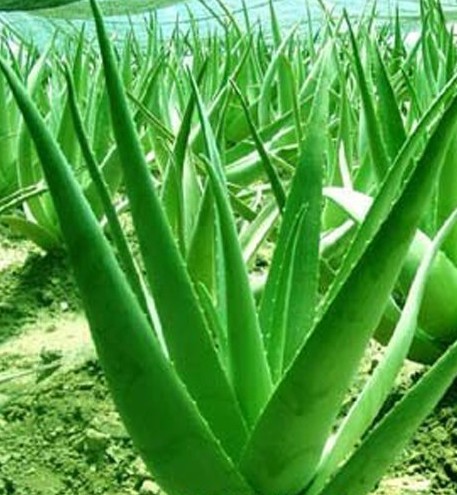
1. How can aloe vera achieve healthy growth?
Aloe vera grows relatively quickly, so it is best to repot it once every spring. The potting soil can be a mix of 4 parts river sand, 3 parts garden soil, and 3 parts leaf mold, with a small amount of bone meal added at the bottom of the pot as a base fertilizer; no additional fertilizing is usually needed. Apart from summer, when it needs ample watering and frequent misting of the leaf surface, watering should be appropriately controlled in other seasons, otherwise water accumulation in the pot can easily cause stem and leaf rot. Aloe vera likes light; in spring and autumn, direct sunlight produces robust growth. In summer, move it to a well-ventilated semi-shaded spot. In winter, keep the light adequate and the room temperature no lower than 10°C.
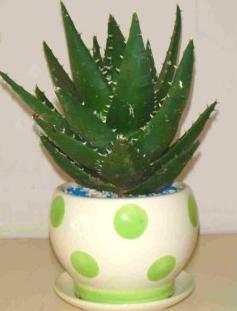
2. How to propagate aloe vera?
Aloe vera propagation by division or cuttings readily succeeds. Division is carried out together with repotting in early spring: carefully knock the original plant out of the pot and cut off the small offsets from the roots to pot up separately. Cuttings are taken in April-May: cut about 10 cm long cuttings from the top of the old plant, let them dry in a semi-shaded spot for 1-3 days, and after the cut surface has dried, insert them into sand or vermiculite; they will root in about 3 weeks.