Is Cuban oregano (plectranthus amboinicus) actually toxic? The truth about its toxicity explained once and for all
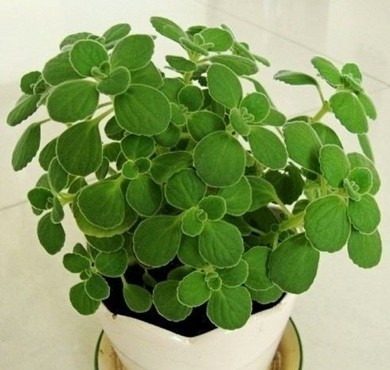
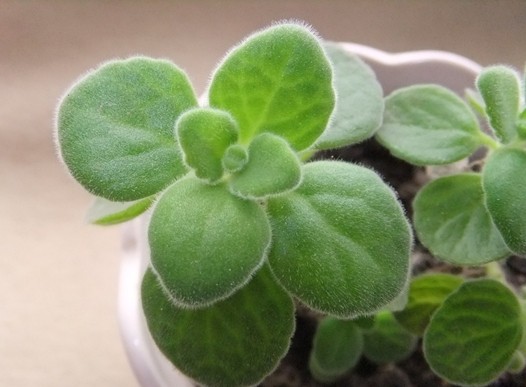
Cuban oregano is a shrubby perennial herbaceous plant, trailing, with brown stems and branches, and young stems green or tinged with red. The leaves are ovate or obovate, smooth, thick and leathery, with somewhat sparse teeth along the edges. The flowers are umbel-shaped, in deep red, pink, white, blue and so on. When you touch it, it automatically releases a fragrance that smells of apples, very pleasant, giving an unforgettable feeling of relaxation, so it is often grown in offices and other places. Decorative and practical. So is it good to keep Cuban oregano indoors? Is Cuban oregano toxic? Some people may have such doubts. Below, let's learn about this subject!
1. How to grow Cuban oregano:
Cuban oregano is very easy to cultivate. This plant is fairly drought-tolerant, so water it sparingly. But it likes an environment with plenty of sunlight. To make it grow more vigorously and promote branching, you can prune and trim it appropriately. In winter the temperature must not be too low, at least 5 degrees; the plant is not tolerant of dampness, and being too wet easily leads to root rot. Its propagation methods include sowing seeds, cuttings and division. It is very suitable for potted cultivation, and is best placed in a high spot or hung indoors, and can also serve as an ornament for a table or desk.
2. How to propagate and cultivate Cuban oregano
Propagation by cuttings is the simplest method. After taking cuttings of the plant, roots can form in about 20 days, and once rooted they can be transplanted into small flower pots. It is very easy to grow in pots and has a high survival rate; it is drought-tolerant, so avoid prolonged waterlogging. Plenty of sunlight. With moderate pruning, it will grow vigorously.
3. The growth habits of Cuban oregano
It likes sunlight, but is also fairly shade-tolerant. It fears the cold and needs to be grown in a greenhouse. It is not tolerant of water and dampness. It likes loose, well-drained soil. It likes warmth and is not tolerant of cold. In winter it needs a temperature of 5°C-10°C. It is not tolerant of dampness; if too wet, it easily rots at the roots and dies.
4. The main uses of Cuban oregano
Cuban oregano gets its name because, when struck or touched by the outside world, it releases a fragrance that smells of apples, strong and aromatic, and pleasant to the mood when smelled, making it very popular on the market. It is suitable for potted cultivation, and is best placed in a high spot or hung indoors, and can also serve as an ornament for a table or desk. The leaves can be brewed in tea or wine, with a wonderfully alluring fragrance. It refreshes the mind, clears heat and relieves summer heat, and repels mosquitoes and insects.
5. Is Cuban oregano toxic?
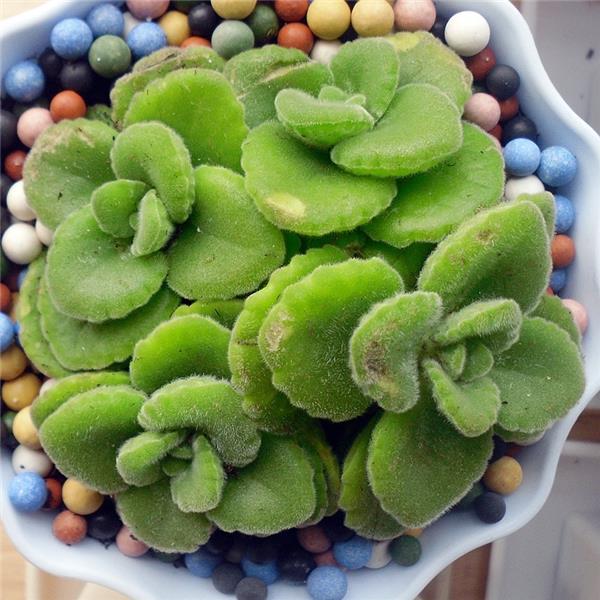
Is Cuban oregano toxic? This is the last question everyone cares about. Although the fragrance it releases is aromatic, everyone worries about whether it is toxic like some plants. Here we tell everyone that the reason Cuban oregano gives off fragrance is similar to the principle behind the mimosa's "shyness": when it is stimulated by outside touch, the water in its cells reacts, and the turgor pressure of the pulvinus changes. The only difference from the mimosa is that under the effect of turgor pressure it does not contract; instead, the stomata inside that are used for ventilation expand, and a volatile substance with an apple fragrance diffuses through the stomata into the air. The fragrance of Cuban oregano is a green substance from the plant's cells, non-toxic and harmless. Cuban oregano is not toxic.
The reason Cuban oregano gives off fragrance is similar to the principle behind the mimosa's "shyness". When its leaves are stimulated by touch, the water in the cells reacts, causing the turgor pressure of the pulvinus to change. Unlike the mimosa, the leaves of Cuban oregano do not contract under the effect of turgor pressure; instead, the stomata inside that are used for ventilation expand, and a volatile substance with an apple fragrance diffuses through the stomata into the air. In fact, Cuban oregano normally gives off a faint fragrance too, but this fragrance is relatively weak and not easily noticed. When its leaves are touched, the fragrance becomes stronger, and only then do people feel that it is fragrant as soon as it is touched. So there is no need to worry about the fragrance of Cuban oregano.
Above we have learned about Cuban oregano and shared so much. First, we can be certain: Cuban oregano is not toxic, except of course for some people who are allergic to its fragrance. Furthermore, you need to pay more attention to how to grow Cuban oregano. Its living habits and cultivation methods are both things everyone should pay attention to.