What are the benefits and effects of magnolia flowers?
Did you know that magnolia flowers are not only an ornamental flower, but can also be used as an ingredient in traditional Chinese medicine? Below we introduce the benefits of magnolia flowers in detail.
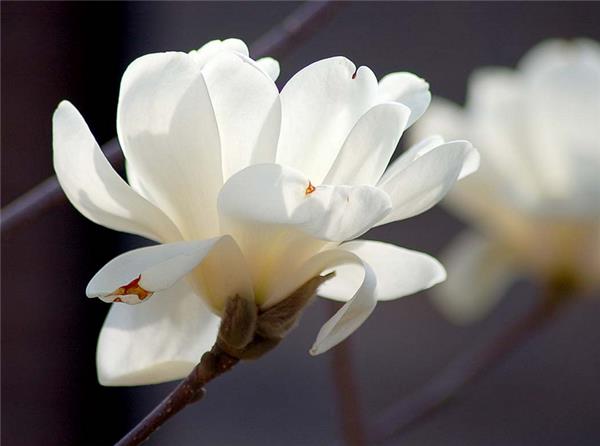
Benefits of magnolia flowers
Magnolia flowers can eliminate phlegm, benefit the lungs, and harmonize qi.
Promote metabolism, whiten the skin.
Make the complexion rosy, the face radiant, the skin smooth and delicate, and delay aging. Inhibit bacterial growth, reduce swelling and relieve pain, invigorate blood, improve sensitive skin, clear the nasal passages, improve headache and runny nose, adjust the spirit, soothe depression, and eliminate fatigue. It has the effects of harmonizing qi, eliminating phlegm, and benefiting the lungs, and is especially good with honey.
Magnolia flowers are also another variety of the Chinese medicinal material Xinyi (biond magnolia flower bud), and the two have the same nature, flavor, and functions. Its volatile oil contains citral, eugenol, and l,8-cineole.
Its nature and flavor are pungent and warm, and it can dispel wind and clear the orifices. Through the ages it has been used to treat headache, sinusitis, nasal congestion, and tooth abscess.
Modern pharmacological research believes that it has a blood-pressure-lowering effect and an exciting effect on the uterus, so it can treat dysmenorrhea and infertility.
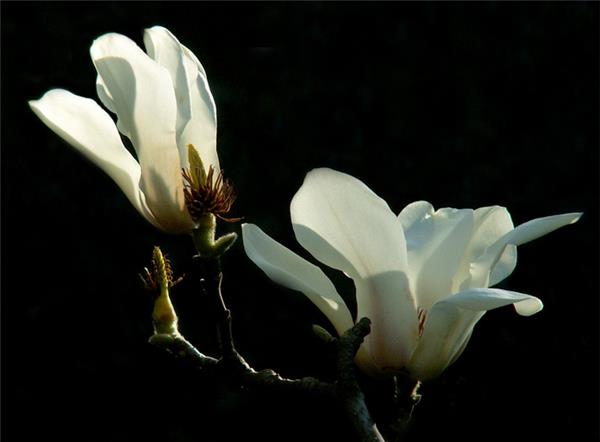
In addition to the above benefits of magnolia flowers, magnolia flowers also contain a large amount of volatile oil, mainly because they contain the very rare citral, which has high medicinal value.
Magnolia flowers are a mild medicinal material and can effectively remove some cold from the human body. They effectively relieve headache, or the phenomenon of nasal congestion and stuffy nose. They are a very good plant that combines ornamental and medicinal uses in one.
The benefits and effects of magnolia flower tea are very suitable for people with high blood pressure, high blood lipids, coronary heart disease, arteriosclerosis, diabetes, those who eat too much greasy food, and those who are drunk, but it is not suitable for people with fever, poor kidney function, habitual constipation, digestive tract ulcers, neurasthenia, insomnia, children, nursing mothers, or pregnant women to drink magnolia flower tea.
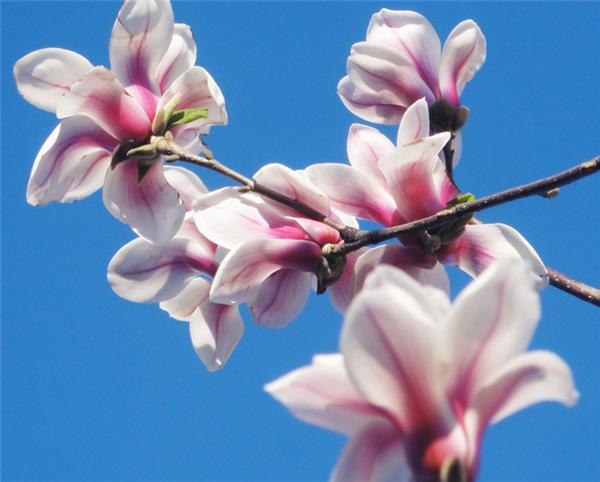
How to consume magnolia flowers
1. Magnolia flower honey tea
1. Separate the magnolia petals, wash them clean, add half a teaspoon of salt to clean water, and soak the petals for a moment.
2. Drain the water from the washed magnolia petals and put them into a teapot.
3. Pour in enough boiling water, cover, and steep for 20 minutes.
4. Add an appropriate amount of honey or sugar according to taste and it is ready to drink.
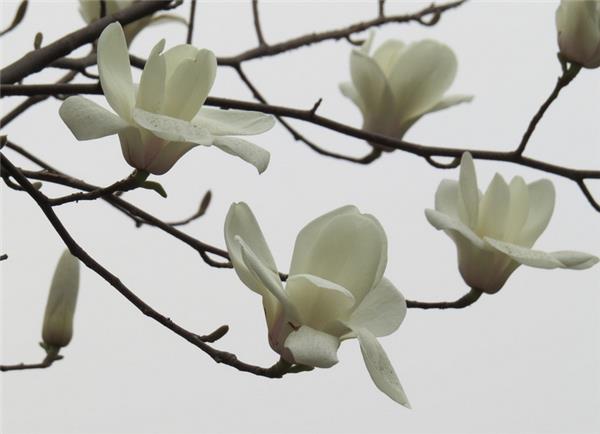
2. Pounded and braised chicken slices
1. Remove all fat and white tendons from the chicken breast, slice into large slices 0.4 cm thick, then cut into square slices 2 cm across.
2. Sprinkle dry mung bean starch over the chicken slices.
3. Use a wooden mallet to pound each chicken slice into thin slices 0.15 cm thick.
4. Cut the soaked magnolia slices, soaked shiitake mushrooms, and ham all into thin slices.
5. Put peanut oil in a wok over medium heat. When it is 50% hot, add the pounded chicken slices to the oil and slip them through until done, then remove and drain off the oil.
6. Add scallion oil to the wok and heat over high heat until 70% hot. Add the magnolia slices and shiitake mushrooms and stir-fry briefly, then add clear broth, refined salt, yellow wine, monosodium glutamate, and ham slices and bring to a boil.
7. Skim off the foam, add the chicken slices, and after it comes to a boil, thicken with wet starch into a light gravy, drizzle with sesame oil, and serve in a soup bowl.