How to grow orchids? The complete guide to orchid cultivation methods
Many flower lovers like orchids, but don't know how to grow them. Below we introduce orchid cultivation methods in detail.
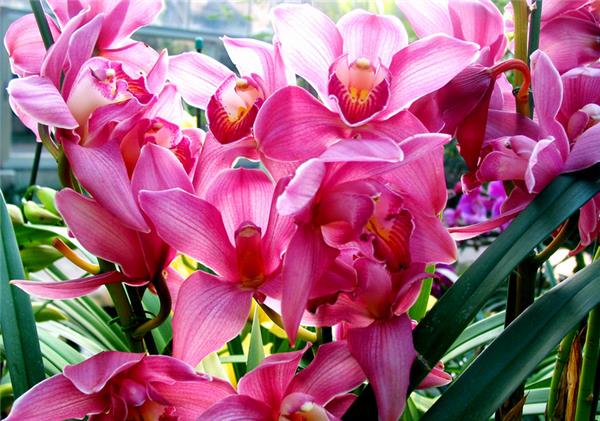
Orchid cultivation methods
1. Soil selection:
For planting orchids, you can use black mountain soil, peat soil, garden soil, pine needle soil, moss, fern roots, bark chunks, etc. Cover the drainage hole at the bottom of the pot with a piece of tile, then spread a layer of crushed brick and stone granules with a thickness of one quarter of the pot's depth to enhance air permeability and drainage, and then spread a layer of culture soil. Hold the orchid upright and plant it, fill in the culture soil, and cover the pseudobulbs. The soil should be pressed firm; leave the 2 cm nearest the rim unfilled for easy watering. After planting, water thoroughly and place in a cool, shaded spot. After half a month, move it to a sunny, well-ventilated environment for cultivation. To increase beauty and moisture retention, a layer of small crushed white stones can be spread on the pot surface.
2. Light and moisture:
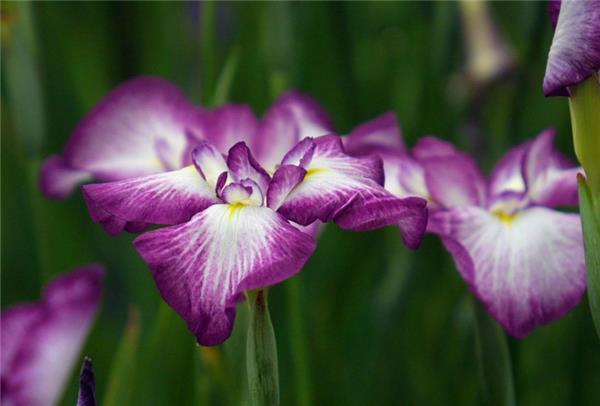
There are four rules for growing orchids: "In spring do not take them out, in summer do not expose them to the sun, in autumn do not let them dry out, in winter do not keep them wet." In spring, temperatures are still unstable, and taking them out of the house too early makes them vulnerable to cold wind. It is relatively safe to move them out in early April. In summer, place them under a shade awning, avoid direct sunlight, and cultivate them with diffused light. Autumn is the period when orchids sprout and send up flower spikes, so maintain appropriate humidity and avoid dryness. Orchid roots are fleshy, and in winter dormancy the water requirement is not great; the potting soil just needs to be slightly moist, and you must not water too much, lest it trigger root and leaf diseases.
3. Fertilizing:
Fertilizer should be dilute, not concentrated: during the growing season, water with decomposed soybean cake water or horse-hoof residue water once every half month. Adding an appropriate amount of monopotassium phosphate gives even better results. Do not fertilize in the hot summer; when the temperature is too high (above 32°C), besides watering daily, spray water several more times, preferably with slightly acidic water. Regularly spray and wash the leaf surfaces with clean water, which not only improves the growing environment of the potted orchid but also keeps the leaves clean and reduces the chance of pest and disease infection.
4. Pruning:
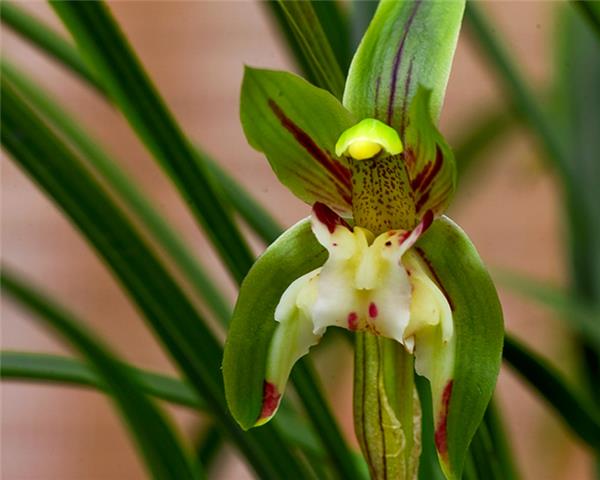
During orchid cultivation, pruning must be carried out continuously. When old leaves turn yellow and withered, cut them off promptly to improve ventilation; some leaves whose tips have dried out should also be cut off. In particular, leaves damaged by pests and diseases must be removed promptly to avoid contagion. When cutting off leaves with viral disease, do not use the same scissors to cut healthy leaves, in case the virus spreads. If the same pair of scissors is used, it must be disinfected.
After the flower buds of precious orchids emerge from the soil, if there are too many buds, keep the strong ones and remove the rest of the thin, small buds; it is best to keep 1-2 flower buds per pot. If there are too many buds, it will not only make that year's flowers bloom poorly, but also consume too much of the mother plant's nutrients and affect the next year's flowering. Generally, orchids need not have their flower buds cut off.
The flowers of Cymbidium goeringii (spring orchid) bloom for about half a month, after which the flowers should be cut off; for Cymbidium ensifolium (summer orchid), when the last flower on the inflorescence has been open for a week, the inflorescence should also be cut off. Precious varieties should not be allowed to be pollinated and set seed, otherwise it will affect the next year's flowering. If they are used for hybrid breeding, they need extra careful cultivation so that the fruit is plump and ripe.
5. Pest and disease protection:
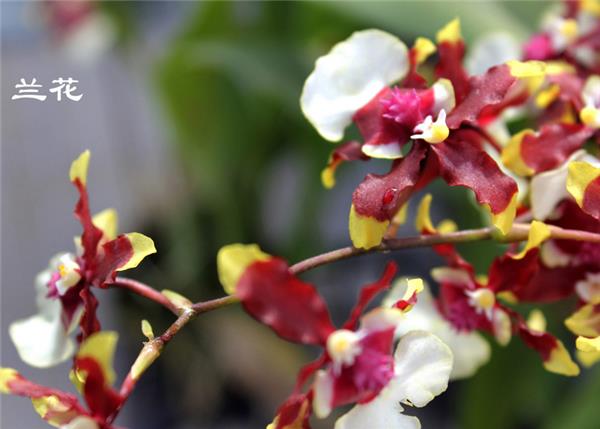
Orchids are prone to scale insects, which can be controlled by spraying with a 1000-fold dilution of dichlorvos emulsifiable concentrate. When whiteflies cause damage, spray with a 2000-fold dilution of deltamethrin. Orchid roots have a sweet taste and easily attract ants, which can be lured and killed with meat bones. Orchids are prone to anthracnose fungus and black spot fungus. After disease occurs, promptly remove and burn diseased leaves, widen the distance between potted plants, and improve ventilation and light conditions. Reduce water spraying and control humidity. Also apply carbendazim for prevention and control. Carry out sterilization treatment (exposing to the blazing sun is sufficient) to prevent disease outbreaks.
Orchids are most prone to southern blight in the rainy, high-temperature season, which can be prevented by spraying with an 800-fold dilution of thiophanate or Bordeaux mixture. If the disease is severe, use a 500-750-fold dilution of thiophanate and spray once every 7-10 days. Among insect pests, scale insects occur most; this insect attaches to the base of the leaves, and if scale insects are found, they should be removed promptly. To avoid scale insect infestation, starting from April, a 2000-fold dilution of "1059" can be used for control.
In order to suppress the occurrence of orchid diseases, besides properly controlling the dryness and moisture of the potting soil at ordinary times, you should also, when choosing pots, use clay pots as much as possible and fewer glazed pots. Especially for newly dug orchids from the mountains that grow poorly, clay pots must be used for planting. Doing so makes the potting soil dry out easily, which can promote orchid growth and reduce disease occurrence.