Complete Guide to Orchid Flower Meanings: Interpreting the Symbolism of Different Varieties
Orchids are highly ornamental flowers, which is why many people like to grow them indoors. There are many varieties of orchids, and each has a different flower meaning. Below is a complete guide to orchid flower meanings.
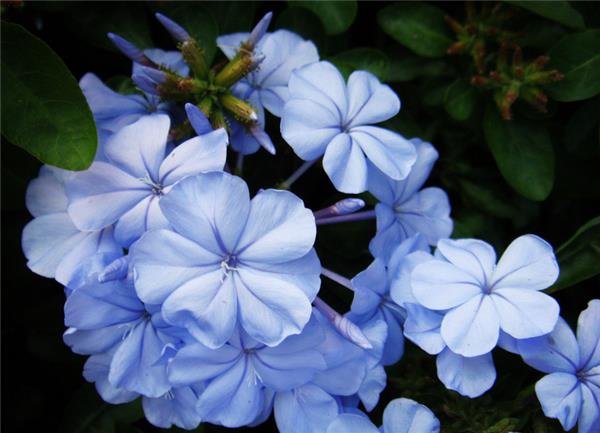
Complete Guide to Orchid Flower Meanings
Orchid flower meaning: beauty, noble purity, virtue.
In foreign countries, the orchid flower meaning is: passion, friendship, confidence, pride.
Freesia: innocence, purity.
Oncidium: hidden love.
Lily of the valley: purity.
Phalaenopsis: I love you.
Dendrobium: compassion, blessing, joy.
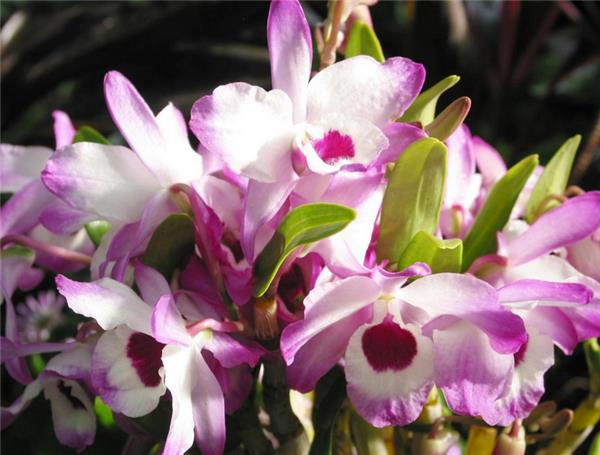
Gladiolus: elegance.
Orchid: noble purity. A peerless beauty.
White Dendrobium: refined; pure.
Cattleya: passion; extraordinary.
Suxin orchid: lively; cheerful.
Zephyr lily: anticipation, pure white love.
Spark orchid: someone unforgettable.
Chloranthus: subtle beauty.
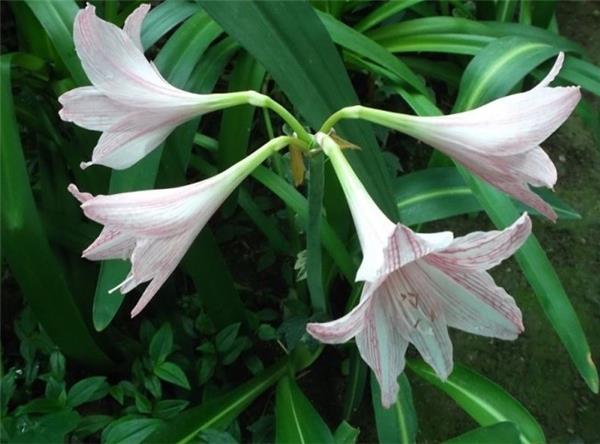
Ginger lily: boredom.
Freesia: utmost purity.
Magnolia: natural love, majesty.
Yixiang orchid: wealth.
Bird of paradise: a couple deeply in love.
Paphiopedilum (slipper orchid): diligence and frugality.
Yellow asphodel: wild.
Willow-leaved hawkweed: ambition.
Orange willow-leaved hawkweed: exceptional insight.
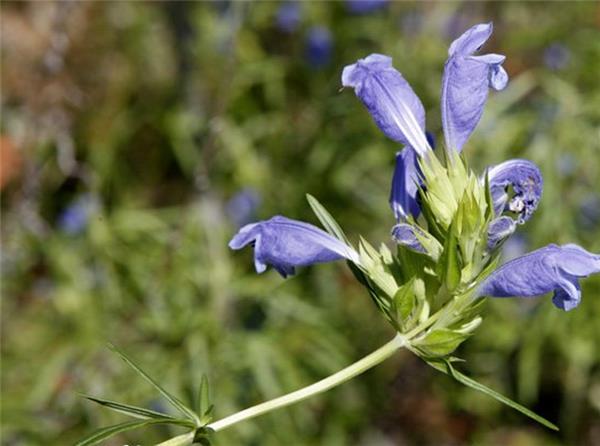
Dracocephalum: obedience.
Now let's look at the main uses of orchids.
1. Ornamental
The orchid is a flower of distinctive style with high ornamental value. Its colors are delicate and elegant, mostly tender green and yellow-green, but the plain-hearted (suxin) types are especially prized. The orchid's fragrance is clear without being heavy; with one pot in a room, its scent fills the air. "With my hand I cultivate two or three orchid buds, as the days warm and the breeze softens they open one by one; sitting long, I forget the fragrance is in the room, and when I push open the window, butterflies sometimes fly in." This ancient poem expresses the orchid's subtle fragrance to the fullest. The orchid's flower posture is sometimes dignified and graceful, sometimes opulent and noble, full of variation. The orchid's leaves stay fresh green all year, combining firmness and softness, with beautiful form; even when not in bloom, they are like a living work of art. "Weeping dew scatters the light, the shadow leans as it sways in the wind; how can vulgar folk compare, for watching leaves surpasses watching flowers." This poem describes the graceful, swaying beauty of orchid leaves.
Place a few pots of orchids to accent a room, and it immediately feels full of life. On the day they bloom, wave after wave of delicate fragrance makes you feel vibrant and completely refreshed.
2. Culinary use
The orchid's fragrance is clear and mellow. Orchids are often used for tea, and can also be used to scent tea; they can also be made into soups and other dishes.
3. Medicinal use
According to records, the entire orchid plant can be used as medicine. Its nature is neutral, its taste pungent and sweet, and it is non-toxic. It has effects such as nourishing yin and moistening the lungs, promoting urination and draining dampness, and clearing heat and detoxifying. It can be applied clinically to various internal and gynecological conditions. The roots can treat pulmonary tuberculosis, lung abscess and sprains, and can also set bones; orchid flower stalks can treat tinea.
The roots of Cymbidium ensifolium decocted in water and taken orally are said to be an excellent medicine for inducing labor; the leaves treat whooping cough and can treat lung qi deficiency in the weak (also written as liver qi); the fruit can stop vomiting, and the seeds treat eye cataracts. The whole plant of Cymbidium faberi can treat women's diseases; the whole plant of Cymbidium goeringii treats neurasthenia, roundworms and hemorrhoids. The petals of the suxin orchid can induce labor. The shade-dried plain-hearted petals of Cymbidium faberi can also induce labor.