A Detailed Guide to Growing and Caring for Alocasia
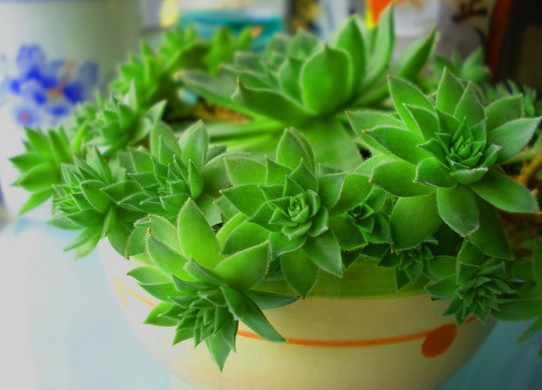
Keeping a few green plants at home can bring some fun to family life, and Alocasia is a good choice. Alocasia, also known as black-leaf taro or black-leaf Alocasia, is a foliage plant in the genus Alocasia of the family Araceae. It is a perennial herbaceous plant with a fleshy tuber underground that easily tillers to form clumping plants. Its leaves are arrow-shaped and peltate, and its flowers are spadix inflorescences that emerge from the stem tip. It prefers a warm, humid, and semi-shaded growing environment. Two plants are habitually called Alocasia: one is the Alocasia in the genus Alocasia of the family Araceae, also known as turtle-shell taro, black-leaf taro, or black-leaf Alocasia; the other is the succulent Alocasia in the genus Sempervivum of the family Crassulaceae. The two are distinctly different. This article introduces how to grow the latter.
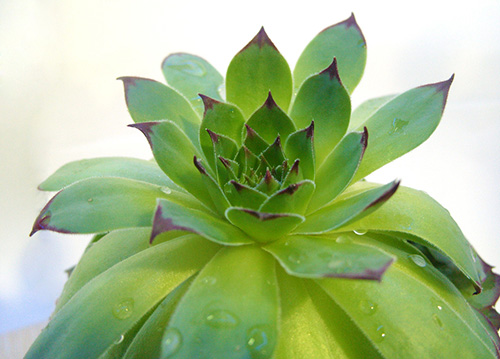
Fertilization should be determined by the growth condition of the plant. Fertilizer should generally be applied lightly, with an appropriately increased proportion of phosphorus and potassium fertilizer, so that the stems are firm and sturdy and the tubers are plump.
From April to October each year is the growing season for Alocasia. During this period, it requires moist soil and relatively high air humidity, and should be given sufficient water. Especially in midsummer, when water evaporates heavily, the leaves need frequent misting to maintain humidity. However, keeping the potting soil moist is enough; waterlogging or prolonged excessive moisture will cause the underground tubers to rot.
So, after reading this article, has it sparked your interest in growing Alocasia?