How to Grow Camellias? A Detailed Guide to Cultivation Methods and Precautions
Camellias are something we often hear about in our daily lives, and many flower and plant enthusiasts are particularly fond of camellias, but some people do not grow them well. What exactly is the reason? Below, the editor brings you camellia cultivation methods and precautions for growing camellias.
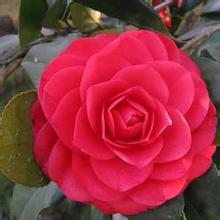
[Camellia Cultivation Methods]
Placement: Camellias are best placed in a warm, humid, well-ventilated and well-lit location. In spring, there should be plenty of light; in summer, attention should be paid to shading, avoiding direct sunlight and afternoon western sun. If placed on a balcony, they can often be scorched to death with just a moment of carelessness.
Watering: The soil for potted camellias should be kept moist, but not overly wet, to prevent alternating dry and wet conditions. Generally, in spring, watering can be appropriately increased to promote budding and new shoot growth; in summer, water in the early morning and evening, and it is best to spray water on the leaves so they are thoroughly wet. Do not pour water forcefully in a direct stream or flood the pot, and do not water with hot water. Avoid watering around midday when temperatures are high; in autumn, water moderately; in winter, water around midday, and spray water once every two to three days.
Fertilizing: Camellias like fertilizer. When potting, pay attention to placing base fertilizer in the potting soil, mainly phosphorus and potassium fertilizer. Fertilizers applied include decomposed bone meal, hair, chicken feathers, rice husk ash, poultry manure, and superphosphate, among other substances. Normally, do not fertilize too much. Generally, apply dilute fertilizer water 2 to 3 times between April and May after flowering, and apply a slightly stronger liquid fertilizer once in November in autumn. When fertilizing, note that the proportion of phosphorus fertilizer should be somewhat larger to promote abundant flowers and vivid colors.
Pruning: Camellias grow relatively slowly and should not be pruned excessively. Generally, it is enough to cut off leggy branches that affect the plant's shape, as well as diseased, pest-infested, and weak branches. If there are too many flower buds on each branch, thin the flowers to keep only 1 to 2, maintaining a certain distance, and remove the rest early to avoid consuming nutrients. In addition, promptly remove flowers that are close to withering, which can also reduce nutrient consumption, helping the plant grow robustly and form new flower buds.
Repotting: Potted camellias can be repotted once every 1 to 2 years. The new pot should be one size larger than the old one to facilitate root spread and development. Repotting is best done in April in spring, or in autumn. Along with changing the soil, appropriately remove some of the compacted old soil, replace it with fertile, loose new soil, and add base fertilizer.
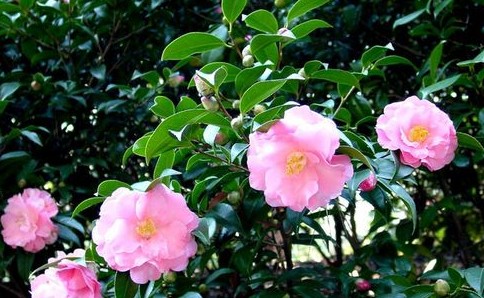
[Precautions for Growing Camellias]
1. During the plum rain season, pay attention to drainage to avoid waterlogging and root rot.
2. They are afraid of direct sunlight and scorching. Seedlings need shading. When summer temperatures exceed 35°C, leaf scorch can occur.
3. Be careful not to let the roots rot.
4. When growing camellias, pay attention to pests and diseases: The main diseases of camellias include black mold and anthracnose, which can be prevented and controlled by spraying 0.5-degree Bordeaux mixture. The main pest is the tea shoot borer. The control method is to cut off infested shoots, preferably from April to June.
Decoration Network.