Areca Palm Pictures and Detailed Care Methods
The areca palm is one of our well-known home potted landscape plants. Many people may not be especially familiar with the areca palm. Below, the editor brings you areca palm pictures, and while you enjoy them, we will tell you the areca palm care methods. We hope this can help everyone.
[Areca Palm Introduction]
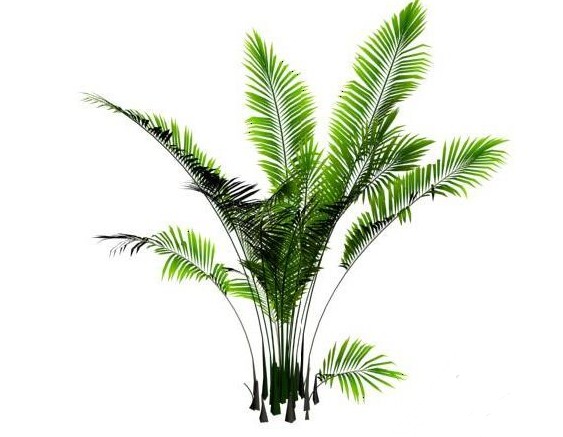
The areca palm, also called yellow palm, is an evergreen shrub or small tree. Because of its shade tolerance and beautiful plant shape, it is mostly grown as a courtyard or indoor plant in South China for ornamental purposes. In addition to its high ornamental value, the areca palm can also purify indoor air and increase indoor humidity.
Characteristics of the Areca Palm
The areca palm has a beautiful appearance, smooth stems, slender and smooth leaves, pinnate compound leaves, and slightly curved petioles. The leaf sheaths are pale yellow-green and cylindrical. Below the leaf sheaths there are conical spadixes, and the flowers are very small and golden yellow. The fruit is round and orange-yellow.
[Areca Palm Care Methods]
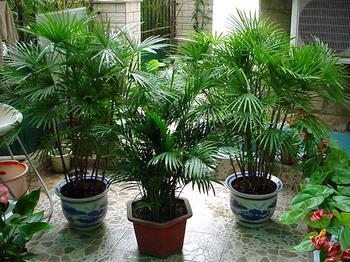
1. Soil: The areca palm does not have strict soil requirements, but loose soil rich in humus is suitable. For potted areca palms, leaf mold soil, peat soil plus 1/3 river sand or perlite, and base fertilizer can be used to make a growing medium.
2. Watering: Usually keep the potting soil often moist. During the high-temperature period in summer and autumn, also often maintain relatively high air humidity around the plant, but absolutely avoid water accumulation in the potting soil, so as to prevent root rot.
3. Sunlight: It is not strict about light, likes sufficient sunlight, and is also tolerant of semi-shade, but it grows better when light is sufficient. When cultivated indoors for ornamental purposes, it should be placed in a spot with relatively strong scattered light; it can also tolerate a relatively dark environment, but it should be regularly moved outdoors to a place with better light for maintenance, so as to help it recover and maintain a relatively high ornamental condition.
Decoration Network.