How to Grow and Propagate Gazania
Gazania is a very beautiful flower. Gazania is also called African daisy, because its entire flower head looks like a medal. Below we introduce how to grow Gazania and how to propagate Gazania.
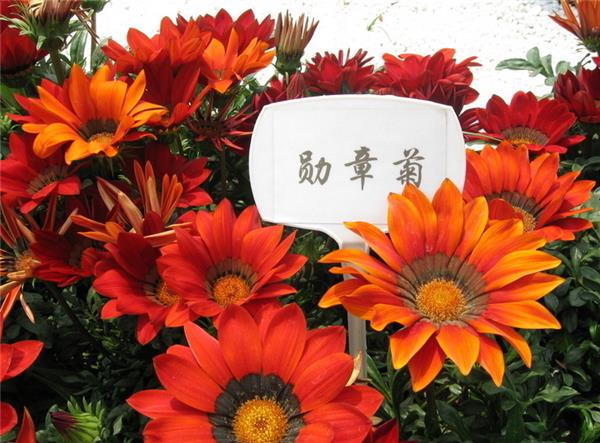
How to Grow Gazania
1. Light: Gazania loves sunlight and prefers growing in cooler places; it is drought-tolerant and tolerant of poor soil; it is semi-hardy, so it can successfully overwinter in regions with milder winters. It needs plenty of sunlight during the growth and flowering periods. If light is insufficient, growth will be affected; with ample sunlight, the flower colors will be vivid and it will bloom continuously.
2. Temperature: Gazania tolerates low temperatures and is not afraid of frost, but it cannot endure long periods of freezing. In warmer regions, it needs to be covered before winter to overwinter; in cold northern regions, it cannot overwinter in the open field. Gazania has a wide range of adaptability to temperature and light, and can grow well at 10-30°C. Under greenhouse cultivation, it blooms continuously all year round.
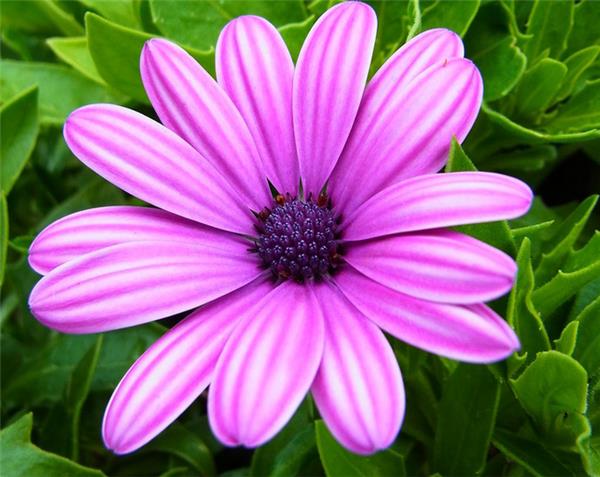
3. Watering: Gazania is relatively sensitive to moisture. Although the soil needs to be moist during the stem and leaf growth period, too much soil moisture during the plum rain season can easily cause the plant to become waterlogged and the whole plant to die. At the same time, during high summer temperatures, air humidity should not be too high and the potting soil should not have standing water, otherwise both are unfavorable to the growth and flowering of Gazania.
4. Soil: Choose fertile, loose, and well-drained sandy loam soil. For potting soil, a mixed soil of equal parts cultivating soil, leaf mold, and coarse sand can be used.
5. Pests and diseases: Leaf spot disease is a common hazard and can be sprayed with a 1000-fold dilution of 25% carbendazim wettable powder. Pests include red spider mites and aphids. For aphids, spray with a 1000-fold dilution of 2.5% rotenone emulsifiable concentrate.
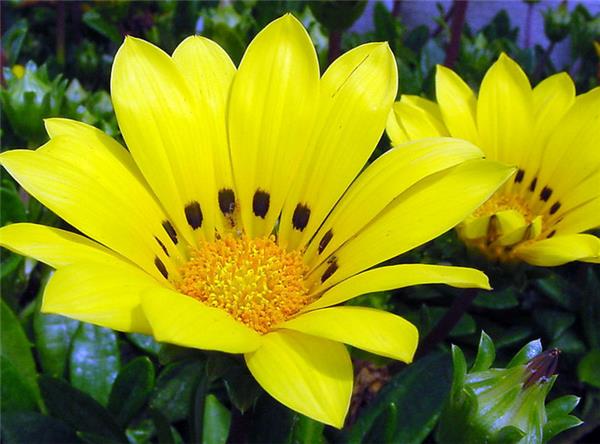
How to Propagate Gazania
1. Seed propagation: Sow in spring in April or in autumn in September. For small quantities, sow in pots. Each gram contains 560-580 seeds, and the sowing rate per square meter of seedbed is about 15 grams. Broadcast sow, then cover the seeds with about 0.8 cm of fine soil. The suitable germination temperature is 16-18°C, and germination occurs 14-30 days after sowing. When the seedlings have one pair of true leaves, transplant them into 4 cm seedling trays. Alternatively, make furrows and plant the seedlings at a spacing of 8 cm between plants and rows. During the seedling stage, control the temperature at 15-25°C, keep soil moisture moderate, and provide sufficient light. Reduce the temperature 5-7 days before planting out, increase ventilation, and moderately restrict water to harden the seedlings. Plant out in the open field after the danger of frost has passed. In some regions, the seeds have the ability to self-sow and reproduce.
2. Division propagation: Before stem and leaf growth in March-April, dig out the overwintered mother plants. For potted plants, tip the mother plant out of the flower pot, and use a knife to cut vertically from the root crown of the clump, but each division must have buds and roots, and can be directly potted.
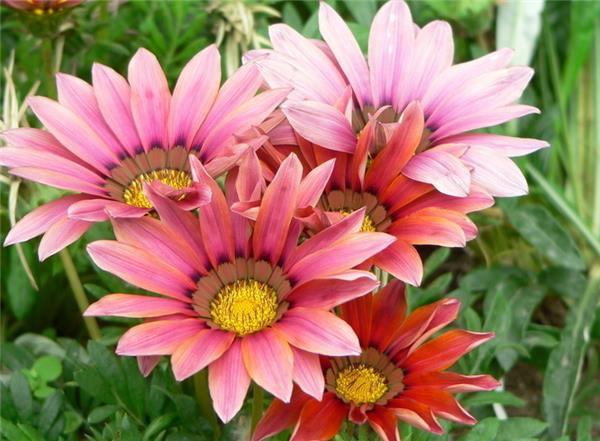
3. Cutting propagation: Often carried out in spring and autumn. Indoor cultivation can be done throughout the year, while open-field cultivation is done by cuttings in the cool seasons of spring and autumn. Cut shoots with stem nodes, keep the top 2 leaves; if the leaves are too large, half of them can also be cut off to reduce water evaporation from the leaf surface. Insert into a sand bed, keep room temperature at 20-24°C and maintain relatively high air humidity. Roots form 20-25 days after insertion. If treated with 0.1% indolebutyric acid for 1-2 seconds, rooting is faster.
4. Tissue culture propagation: Shoot tips and flower buds are commonly used as explants. After disinfection, the shoot tips are inoculated onto MS medium supplemented with 6-benzylaminopurine at 1-3 mg/L and naphthaleneacetic acid at 0.2 mg/L to induce callus and differentiate buds. Then transfer to MS medium supplemented with naphthaleneacetic acid at 1 mg/L and culture for 30-40 days; the seedlings take root and form complete small plantlets.
5. Bud insertion: Insert each bud into a well-drained substrate. When cutting the buds, a milky sap will flow out; wash it thoroughly, let them absorb water, and then insert them for cuttings; they root very easily. After rooting, it is the same as division: first raise the small seedlings, then plant them out the following spring. After rooting, transplant into containers 8 cm in diameter for cultivation.