Kalanchoe Cutting Methods and Steps Explained in Detail
Kalanchoe, also known as Christmas kalanchoe, looks very beautiful when in bloom. Cutting is one of the propagation methods for kalanchoe. Below is a detailed introduction to kalanchoe cutting methods.
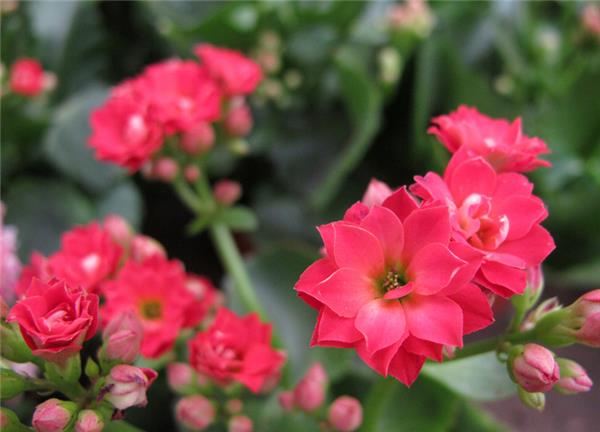
Preparation for Kalanchoe Cuttings
Kalanchoe cuttings are best taken in May-June or September-October for the best results. Choose a slightly mature fleshy stem, cut a 5-6 cm length, insert it into a sand bed, water it and cover with plastic film. At a room temperature of 15-20°C, roots will form 15-18 days after insertion, and it can be potted in 30 days. A 10 cm pot is commonly used. If there are not many seedlings, leaf cuttings can be used. Cut a healthy, plump leaf from the petiole, wait for the cut to dry slightly, then insert it at an angle or lay it flat on the sand bed, keeping it moist. After about 10-15 days, roots will grow from the base of the leaf, and new plants will grow.
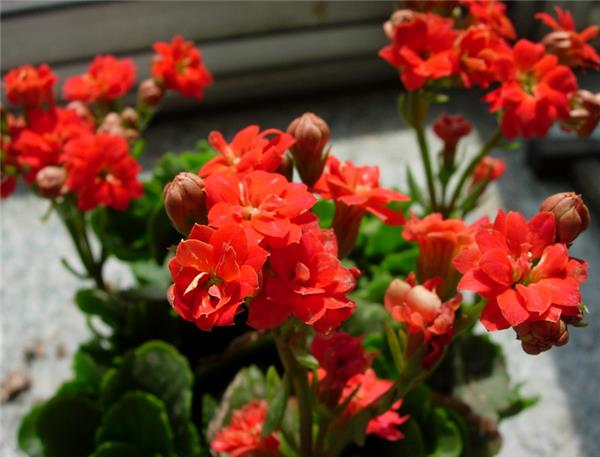
Kalanchoe Cutting Methods
Kalanchoe sets relatively little seed, so cutting is generally used for propagation. Kalanchoe cutting methods can be divided into two types: leaf cuttings and terminal bud cuttings.
1. Leaf cuttings as a kalanchoe cutting method.
First, select healthy leaves with good growth, remove the entire leaf, and place it in a cool place until the wound dries.
Insert part of the petiole end of the prepared leaf into a moist substrate, place it in a semi-shaded environment, and wait for the leaf to take root and sprout.
2. Terminal bud cuttings as a kalanchoe cutting method.
Use the prepared terminal bud of the branch as a cutting, insert it directly into a flower pot filled with substrate, keep the substrate moist, and avoid excessively strong light. Roots will form in 2-3 weeks. This method is mostly used in potted flower production.
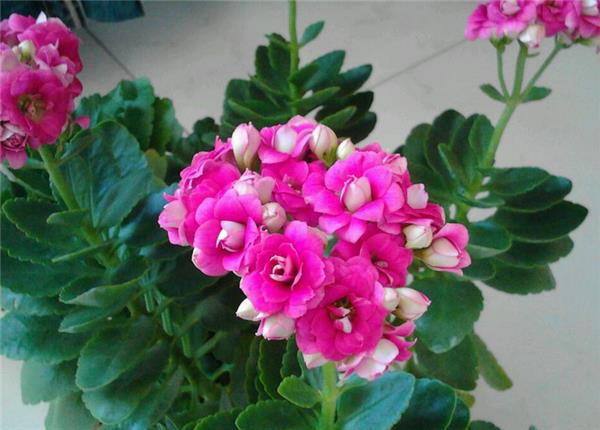
Notes:
Although kalanchoe cuttings can be taken year-round, summer and autumn are best.
The cutting substrate is best as fine river sand or well-drained soil.
When selecting cuttings, even leafless branches can survive; for a flowering kalanchoe, wait until the flowers fade, remove the spent flowers, and then take cuttings.
During the kalanchoe cutting process, the substrate should not be too wet, watering should not be too frequent, and the amount of water should not be too large, otherwise root rot and similar problems are likely to occur.
During the kalanchoe cutting process, it needs to be kept in a room temperature environment of 20-25°C.
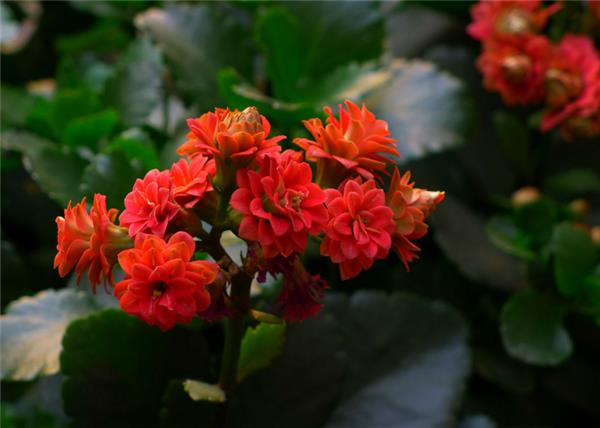
Post-Cutting Care for Kalanchoe
After taking kalanchoe cuttings, if conditions permit, they can be covered with plastic film to keep warm and moist, which can promote rapid rooting of the branches and ensure the survival rate. Freshly inserted cuttings should avoid strong light, preferably under scattered light conditions, and the cuttings should not be fertilized for the time being. They root as soon as they are inserted, within about a week. Once new axillary buds and leaves grow, they can be transplanted.