How to grow Hibiscus syriacus? Detailed guide to cultivation methods and precautions
Hibiscus syriacus is a highly adaptable plant with rich, extraordinarily brilliant flower colors, and it is very popular among everyone. Today we will share the cultivation methods and precautions for Hibiscus syriacus.
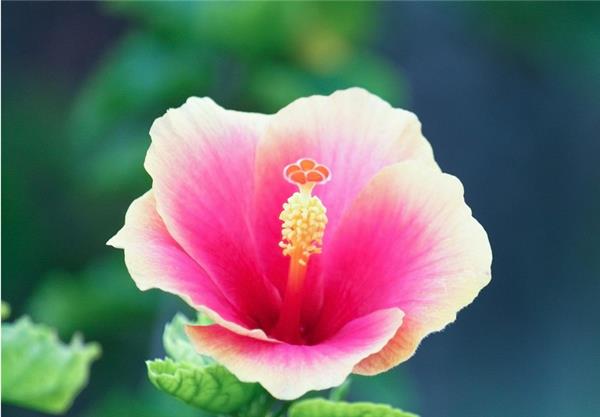
Cultivation methods for Hibiscus syriacus
1. Soil
Hibiscus syriacus has strong environmental adaptability and is not strict about soil requirements. Even in poor gravelly soil or slightly alkaline soil, Hibiscus syriacus can still grow normally. But deep, fertile, loose soil is most suitable for the growth of Hibiscus syriacus.
2. Watering
Hibiscus syriacus likes warm and humid environments, so pay attention to keeping the soil moist. During long periods of drought with no rain, water it frequently. However, Hibiscus syriacus is also afraid of waterlogging, so after rain, drain any accumulated water in the pot in time. Preventing waterlogging during the plum rain season is a key task in the care of Hibiscus syriacus.
3. Sunlight
Hibiscus syriacus likes light and tolerates partial shade. During the growth period, pay attention to providing sufficient light, but it should not be too intense. In hot summer, when the sunlight is strong, provide shade or move it indoors to avoid direct strong light, which can cause the flowers and leaves to lose water and dry up.
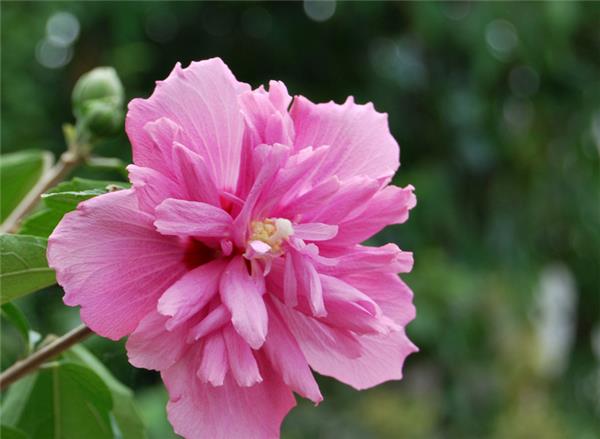
4. Temperature
Hibiscus syriacus likes to grow in a warm environment. The best environment is 18-25°C, and it can also tolerate a little cold.
5. Fertilizing
When Hibiscus syriacus begins to sprout, apply topdressing in time, mainly with quick-acting fertilizer, to promote vegetative growth. Before budding, apply phosphorus and potassium fertilizer 1-2 times to promote flower bud formation. During the peak flowering period from May to October, apply topdressing twice in combination with weeding and earthing up, mainly with phosphorus and potassium fertilizer, supplemented by nitrogen fertilizer, to maintain flower quantity and tree vigor.
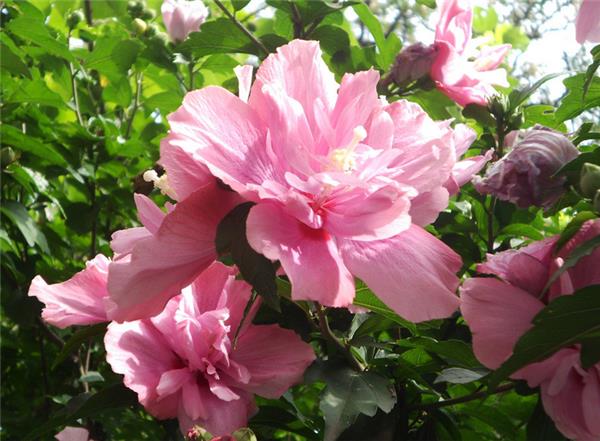
Precautions for growing Hibiscus syriacus
During the growth period of Hibiscus syriacus, there are not many pests and diseases, but they do occur from time to time. The main diseases of Hibiscus syriacus include anthracnose, leaf blight, powdery mildew, etc. The main pests include red spider mites, aphids, bagworms, noctuid moths, longhorn beetles, etc. The method to prevent pests and diseases of Hibiscus syriacus is to pay attention to ventilation in ordinary times and maintain a suitable temperature. When pests and diseases are found, promptly prune off diseased and pest-infested branches, burn them in a centralized manner, and choose safe, efficient, low-toxicity pesticides for spray control or trapping.
Effects and functions of Hibiscus syriacus
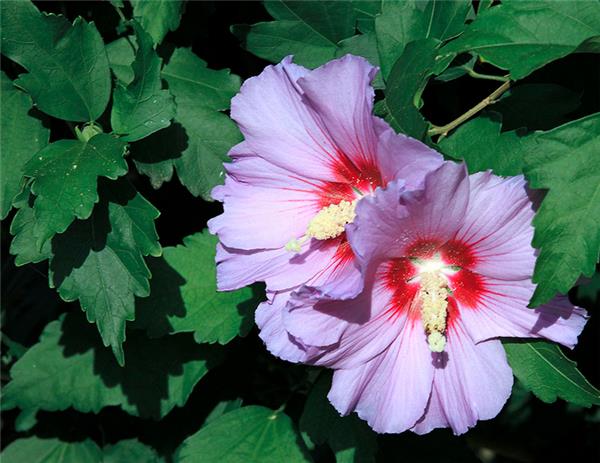
1. Ornamental. Hibiscus syriacus grown at home is mainly used for ornamental purposes. In summer and autumn, when Hibiscus syriacus blooms, the flowers hang all over the branches. Hibiscus syriacus flowers come in diverse colors, commonly white and purple, as well as cream yellow, light red, etc. Hibiscus syriacus flowers flutter in the wind and are radiant and beautiful, with a very good ornamental effect.
2. Freshening the air. Hibiscus syriacus is a natural air purifier. Research shows that Hibiscus syriacus has strong resistance to sulfur dioxide, and the harm of sulfur dioxide to the mesophyll cells of Hibiscus syriacus is very small. The dust-retention capacity of Hibiscus syriacus leaves ranks third among 18 kinds of plants, so people often plant Hibiscus syriacus as a helper for environmental protection.
3. Medicinal use. Hibiscus syriacus flowers can be used as medicine and can clear heat and cool blood, detoxify and reduce swelling. They treat dysentery, bleeding hemorrhoids, leukorrhea, sores, boils and carbuncles, and scalds. Hibiscus syriacus root clears heat and detoxifies, promotes water metabolism and reduces swelling, and relieves cough. It treats cough, lung abscess, intestinal abscess, swollen and painful hemorrhoids, leukorrhea, and scabies. The root bark and stem bark can clear heat and drain dampness, kill insects and relieve itching. They treat dysentery, prolapse, scrotal eczema, athlete's foot, etc. The fruit is called "Chaotianzi" and can clear the lungs and resolve phlegm, detoxify and relieve pain. It treats phlegm wheezing and cough, neurotic headache, and impetigo.