What to Do When Variegated Ivy Leaves Wilt? Causes and Solutions
Ivy (Hedera helix) is a common indoor foliage plant, but during cultivation you may encounter wilting leaves on ivy. So what should you do when variegated ivy leaves wilt?
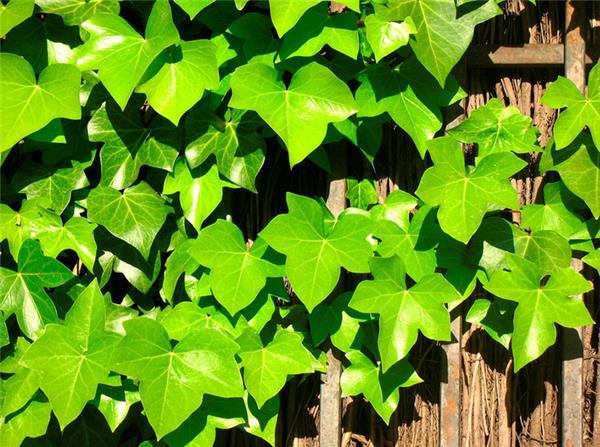
What to Do When Variegated Ivy Leaves Wilt
1: An unsuitable care environment may cause ivy leaves to wilt. Ivy needs to grow under semi-shade or diffused light; both intense light and overly shady conditions are unfavorable to its growth.
2: If the ivy has just been propagated by cuttings and transplanted, or has just been repotted and has not yet recovered, this can cause the leaves to wilt. You can gradually increase the air humidity to ease it, and do not apply fertilizer to the roots in the near term.
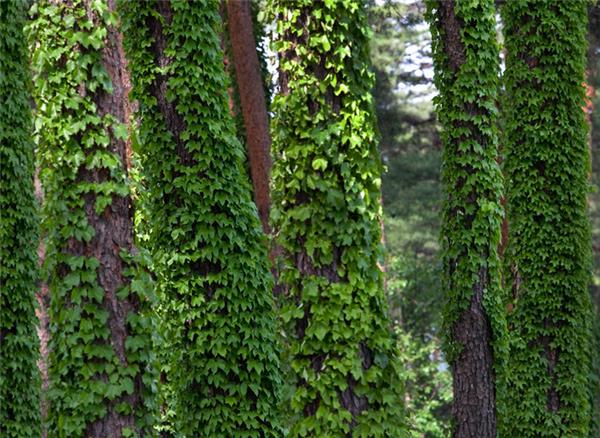
3: Improper watering may also cause ivy leaves to wilt. Watering should keep the soil slightly moist, or simply water thoroughly in time when the surface of the potting soil is dry. Avoid accumulated waterlogging and prolonged drought.
4: Improper fertilizing may also cause ivy leaves to wilt. Do not apply too much fertilizer at one time or use undecomposed raw manure, otherwise it will cause severe fertilizer burn, making the ivy wilt or even die. Fertilizing should be done in small amounts and often; light fertilizer applied frequently is the basic principle for growing ivy well.
5: Unsuitable temperature may also cause ivy leaves to wilt. Too high a temperature will cause ivy leaves to turn yellow or even wilt. The suitable growing temperature for ivy is 18-30°C, and it is best to keep it within this temperature range during cultivation.
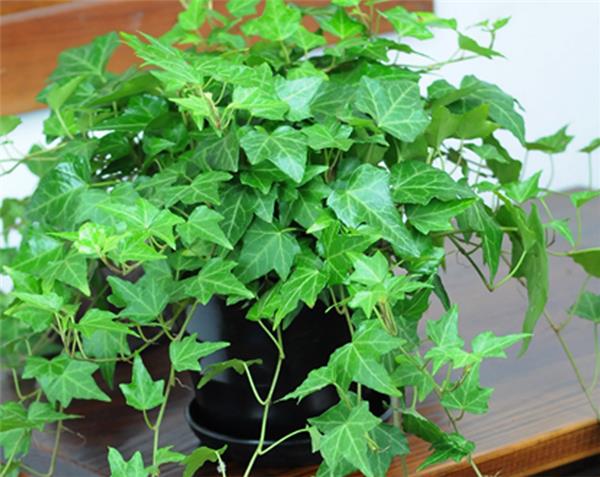
Caring for Ivy
Ivy is a shade-loving climbing plant, but it can also grow in full-light environments. It grows well under warm and humid climatic conditions and is not cold-tolerant. It is not strict about soil requirements and prefers moist, loose, fertile soil; it is not tolerant of saline-alkaline soil. It grows as an epiphyte on tree trunks in broad-leaved forests or on shaded, damp rock walls in ravines, and is also often cultivated in gardens.
Ivy prefers warm, shaded environments and avoids direct sunlight, but it likes ample light. It is relatively cold-tolerant and highly resistant, and is not strict about soil and water requirements, with neutral and slightly acidic soil being best. Morphological characteristics and uses: a perennial evergreen woody climbing plant. It grows by climbing, and the stem can reach more than 20 m, bearing adventitious roots, with scales on young shoots. The leaves have two forms: one is the triangular or halberd-shaped leaf on sterile shoots, with entire or three-lobed margins; the other is the lanceolate leaf on fertile shoots, with entire margins and a slender petiole. The umbel inflorescence is borne at the tips of the branches, the flowers are pale greenish-white and fragrant, and the flowering period is from September to November. The fruit is spherical, ripening in April to May of the following year, and is red or yellow when ripe.
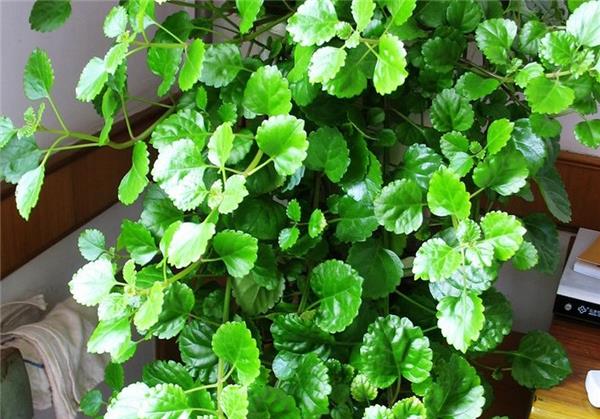
Ivy's leaf color and leaf shape are highly variable, and it is evergreen all year round. It is a beautiful climbing plant and can be used for vertical greening of trellises or walls. It is also suitable for indoor pot cultivation and is a very good indoor foliage plant, usable as a potted plant, hanging basket, topiary, shaped plant, and so on. Ivy is also a material for cut-flower arrangements. In addition, planted together with other plants, it is a very good ground-cover material. The whole plant can be used as medicine.
Ivy prefers warmth, fears intense heat, and is not cold-tolerant. It likes light and is also fairly shade-tolerant. Grown under semi-light conditions, its internodes are shorter, its leaf shape is consistent, and its leaf color is vivid, so it is best kept indoors in a bright spot. If in spring and autumn you can each choose a period to place it outdoors in a shaded spot, so that the ivy gets a bit more sunlight in the morning and evening, it will grow vigorously with bright green leaves. But be careful to prevent direct strong light, otherwise it easily causes sunscald. During the growing season, water ivy by the principle of watering when dry and letting it dry between waterings; do not let the potting soil become overly wet, otherwise it easily causes root rot and leaf drop in ivy. When the indoor temperature is low in winter, watering must especially be controlled, keeping the potting soil only slightly moist. The northern winter climate is dry, so it is best to spray and wash it once a week with clean water close to room temperature to maintain air humidity; then the ivy looks lively, with tender green and glossy leaves. If you have leftover beer, use it to spray the leaves, and the ivy's color will be dark green.