Analysis of the Causes of Yellowing Ivy Leaves and Solutions
Many people encounter yellowing ivy leaves when growing ivy. What should you do when ivy leaves turn yellow? Below we will explain the causes and solutions for yellowing ivy leaves.
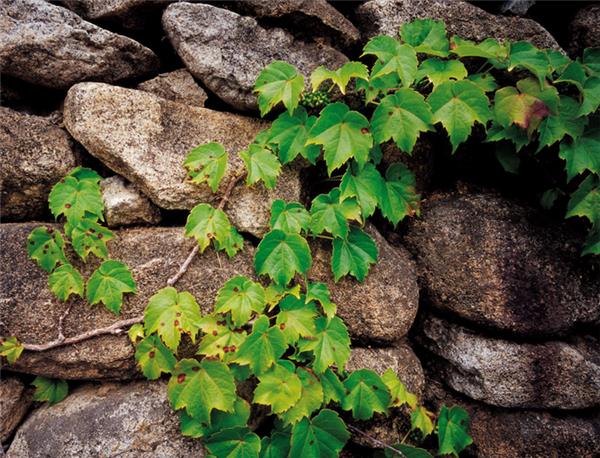
Causes and Solutions for Yellowing Ivy Leaves
1. The first situation is the very common yellowing of old leaves. This is a normal part of metabolism, so there is no need to worry too much; just do the cleanup work promptly.
2. Regardless of the ivy variety, in winter the potting soil must stay moist, not too dry or too wet. Pay attention to indoor air humidity; if it is too low, the leaf edges easily turn dry and yellow. So in winter we should always pay attention to indoor air humidity, and if the humidity is not enough, measures should be taken promptly to add moisture.
3. The influence of light: avoid direct sunlight in summer. If sunlight is direct, it easily causes necrosis on the leaf surface. In winter there is no need to shade, and the light can be appropriately stronger.
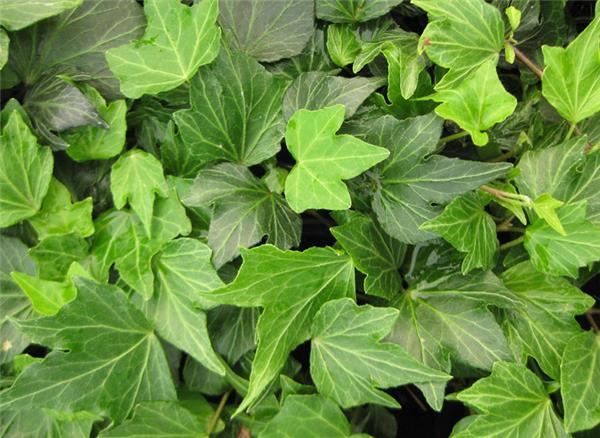
4. The influence of temperature: ivy has a habit of preferring cool conditions, but ivy is especially afraid of frost. It can also grow indoors without heating. In addition, growth is poor during high summer temperatures, so it should be placed in a ventilated, cool spot.
5. The influence of water: during ivy's growing period, the potting soil must be kept moist, but water accumulation in the pot should be avoided; in winter, reduce watering to avoid the potting soil becoming too dry.
6. The influence of humidity: in hot and dry seasons or indoors, water should often be sprayed on the leaves and around the plant, and the leaf surfaces should be cleaned frequently.
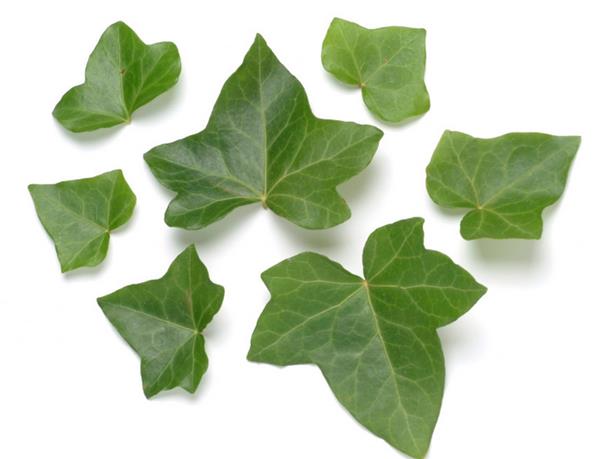
7. Pests and diseases: when this situation occurs, we should observe with the naked eye whether it is insects, or whether there is any difference from before. A low-concentration pesticide spray can be used to solve this problem.
8. Lack of iron: iron deficiency starts with yellowing from the young leaves. If this situation occurs, a certain amount of iron filings can be placed in the soil, which can solve this problem very well.
9. If the original environment is different from the current environment, the plant will temporarily be unable to adapt, and the leaves will turn yellow as a result.
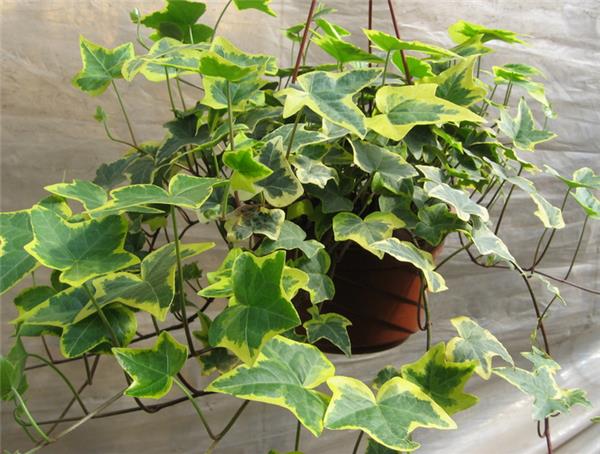
Ivy likes to grow in a warm and humid environment, so watering should be paid attention to when growing it. The frequency and amount of watering for ivy can be determined according to temperature and its growth state.
Generally, during ivy's growing season, watering should follow the principle of watering when dry and stopping when wet; watering must be thorough, but do not let the potting soil become too moist, otherwise it easily causes root rot and leaf drop in ivy. In winter, temperatures are lower and ivy grows slowly, so watering should be controlled; just keep the potting soil slightly moist. In addition, when the climate is dry, clean water with a temperature close to the ambient temperature can be used to wash ivy's leaves, keeping the leaves bright and clean.
Under the same soil conditions, water evaporates more slowly from plastic pots than from clay pots, so the watering interval for ivy grown in plastic pots should be longer. Generally, ivy grown in plastic pots can be watered once every 4-6 days, while ivy in clay pots should be watered once every 2-4 days. The watering frequency can also be adjusted appropriately according to changes in season and temperature.