How to Grow Ivy? Detailed Care Methods and Tips
Ivy is a relatively popular indoor plant nowadays; it can be placed in the living room, study, or bedroom and can purify indoor air, so how do you grow ivy?
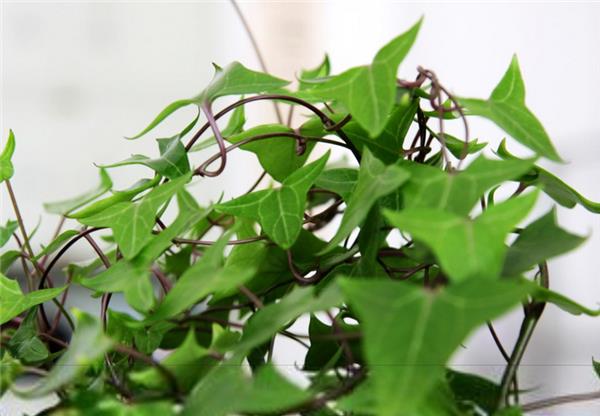
How to Grow Ivy
1. Simple and extensive management
Ivy cultivation and management are simple and extensive, but it needs to be planted in a place with moist soil and air circulation. Transplanting can be done in early autumn or late spring; after planting, pruning is needed to promote branching.
In the south, it is mostly planted in shaded areas of gardens, letting it naturally creep on the ground or on rockeries. In the north, it is mostly potted; potted plants can be tied to various supports and trained into shape, kept under a shade shed in summer, and moved into a greenhouse to overwinter in winter. Indoors, air humidity must be maintained and it must not be too dry, but the potting soil should not be too wet.
2. Propagate by seeds, cuttings, and layering
Seed propagation: Harvest when the fruit is ripe, pile it up for after-ripening, soak in water and rub, wash the seeds clean and dry them in the shade, then they can be sown, or stored in damp sand and sown in spring the following year. After sowing, cover with 1cm of soil and cover with grass to keep moisture. After the seedlings emerge, set up a shed for shade. In the second spring, transplant or thin the seedlings and then grow them into larger plants.
Cutting propagation: In the growing season, softwood cuttings with aerial roots are the easiest to root. After inserting, build a closed plastic film arched shed and provide shade, maintaining a space temperature of 80%-90%, but the bed soil should not be too wet, so as to avoid rot of the cuttings. They will root in about 30d.
Layering propagation: Carry out in spring and autumn, using the wavy layering method; after girdling the buried part, it roots very easily.
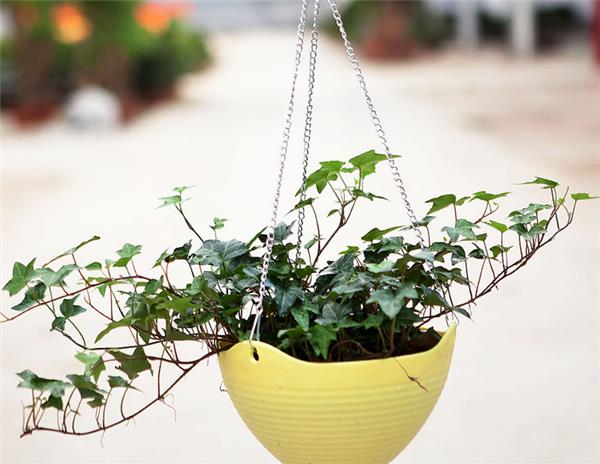
3. Suitable temperature
Ivy likes warmth, and the suitable growth temperature is 20°C-25°C. It fears heat and is not cold-tolerant.
Therefore, when keeping it indoors, pay attention to ventilation and cooling in summer. In winter, the room temperature is best kept above 10°C, and at the lowest it must not be below 5°C.
4. Appropriate light
Ivy likes light and is also fairly shade-tolerant. Grown under semi-light conditions, its internodes are shorter, the leaf shape is consistent, and the leaf color is vivid, so it is best grown in a bright indoor location. If in spring and autumn you can each choose a period to place it outdoors in a shaded spot so it gets more morning and evening sunlight, it will grow vigorously and have bright green leaves. But be careful to prevent direct strong light, otherwise it is prone to sunscald.
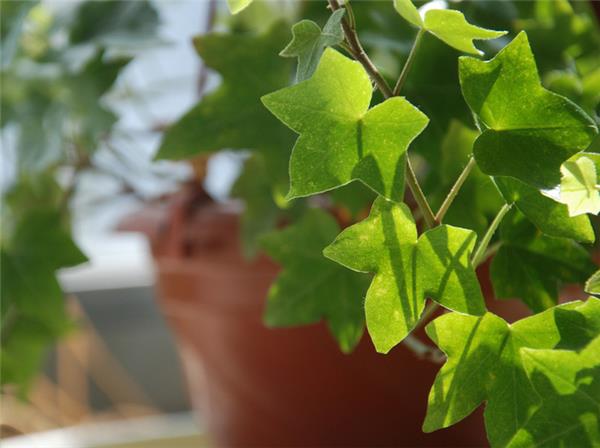
5. Moderate watering
During the growing season, water by the principle of watering when dry and stopping when wet; do not let the potting soil become excessively moist, otherwise it easily causes root rot and leaf drop. In winter, when room temperature is low, watering especially needs to be controlled; keeping the potting soil slightly moist is enough.
In northern winters, the climate is dry, so it is best to spray and wash it once a week with clean water close to room temperature to maintain air humidity; then the plant will look lively, and the leaves will be tender green and glossy.
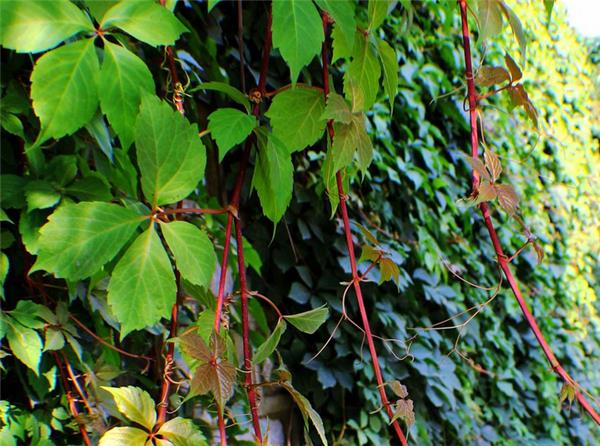
6. Reasonable fertilizing
For home cultivation of ivy, the potting soil should preferably be a culture soil made by mixing leaf mold or peat soil with 1/4 river sand and a small amount of bone meal. During the growing season, apply dilute cake fertilizer water once every 2-3 weeks.
Generally, do not fertilize in summer and winter. When fertilizing, never apply too much nitrogen fertilizer, otherwise the patterns and patches on the leaves of variegated varieties will fade to green. The suitable ratio of nitrogen, phosphorus, and potassium is 1:1:1.
In the peak growing season, you can also spray the leaves 1-2 times with 0.2% potassium dihydrogen phosphate solution, which will make the leaf color look even more beautiful. But note that when applying liquid fertilizer, avoid staining the leaves, so as to prevent leaf scorch.