How to Grow Calla Lilies? A Detailed Guide to Calla Lily Cultivation Methods
How to Grow Calla Lilies: Cultivation Methods for Calla Lilies
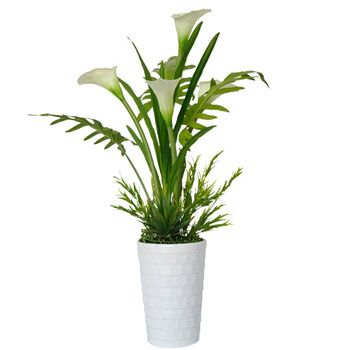
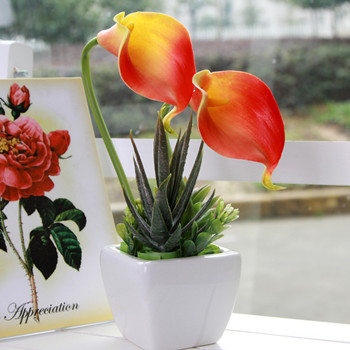
The calla lily is a flower shaped like a horse's hoof, with a peculiar form and a faint, pleasant fragrance. Its flower language is "endless love," symbolizing a gentle and warm romantic affection. Calla lilies are easy to plant and elegant in appearance, making them a common indoor flower. So how do you grow calla lilies, and what are the cultivation methods? Let me tell you.
2. Temperature: Calla lilies prefer a semi-shaded environment, so avoid placing them under strong light. The optimal temperature for calla lily growth is 22-30 degrees. When the temperature drops below 20 degrees, the growth rate of the calla lily will slow down, and it may even stop growing. Calla lilies like warm, humid environments, so when overwintering, special attention must be paid to keeping them warm.
3. Watering: Similar to other potted plants, watering calla lilies should be based on how dry the potting soil is. Before watering, check the condition of the potting soil. Normally, you can spray water on the surface of the potting soil and the flowers to keep the soil moist. During the growth period, calla lilies like sufficient moisture, so water the leaves and the ground frequently, and pay attention to keeping the leaves clean.
4. Fertilizing: Phosphorus and potassium fertilizers are suitable for fertilizing calla lilies. Fertile soil is good for the growth of calla lilies, so apply dilute fertilizer frequently to ensure the potting soil has enough nutrients. For those who want to keep seeds, it is recommended to spray the calla lilies with monopotassium phosphate solution once every 10 days after they have set fruit, at a concentration of 0.1% to 0.2%.
6. Propagation: Calla lilies can be propagated by seeds. At a room temperature of 20 degrees, the seeds will germinate. They can also be propagated by corms. When the calla lily enters its dormant period, you can peel off the small bulbs around the plant and replant them. It takes about 2-3 years for them to bloom. After sprouting, move them to a shaded shed with scattered light for care, and be careful not to expose them to direct sunlight or keep them fully shaded. Calla lilies prefer semi-shade and humid air. In summer, if measures such as cooling, increasing humidity and preventing strong light exposure are not taken, yellowing of the leaves or wilting is most likely to occur.
7. Pest and disease control: When ventilation is poor during the growing season, calla lilies are most prone to aphid damage. When pests occur, spray with 40% omethoate emulsifiable concentrate at 1500-2000 times dilution for control, and pay attention to improving ventilation conditions.

2. Temperature: Calla lilies prefer a semi-shaded environment, so avoid placing them under strong light. The optimal temperature for calla lily growth is 22-30 degrees. When the temperature drops below 20 degrees, the growth rate of the calla lily will slow down, and it may even stop growing. Calla lilies like warm, humid environments, so when overwintering, special attention must be paid to keeping them warm.
3. Watering: Similar to other potted plants, watering calla lilies should be based on how dry the potting soil is. Before watering, check the condition of the potting soil. Normally, you can spray water on the surface of the potting soil and the flowers to keep the soil moist. During the growth period, calla lilies like sufficient moisture, so water the leaves and the ground frequently, and pay attention to keeping the leaves clean.
4. Fertilizing: Phosphorus and potassium fertilizers are suitable for fertilizing calla lilies. Fertile soil is good for the growth of calla lilies, so apply dilute fertilizer frequently to ensure the potting soil has enough nutrients. For those who want to keep seeds, it is recommended to spray the calla lilies with monopotassium phosphate solution once every 10 days after they have set fruit, at a concentration of 0.1% to 0.2%.
6. Propagation: Calla lilies can be propagated by seeds. At a room temperature of 20 degrees, the seeds will germinate. They can also be propagated by corms. When the calla lily enters its dormant period, you can peel off the small bulbs around the plant and replant them. It takes about 2-3 years for them to bloom. After sprouting, move them to a shaded shed with scattered light for care, and be careful not to expose them to direct sunlight or keep them fully shaded. Calla lilies prefer semi-shade and humid air. In summer, if measures such as cooling, increasing humidity and preventing strong light exposure are not taken, yellowing of the leaves or wilting is most likely to occur.
7. Pest and disease control: When ventilation is poor during the growing season, calla lilies are most prone to aphid damage. When pests occur, spray with 40% omethoate emulsifiable concentrate at 1500-2000 times dilution for control, and pay attention to improving ventilation conditions.