How to grow Fatsia japonica? A detailed guide to its cultivation methods
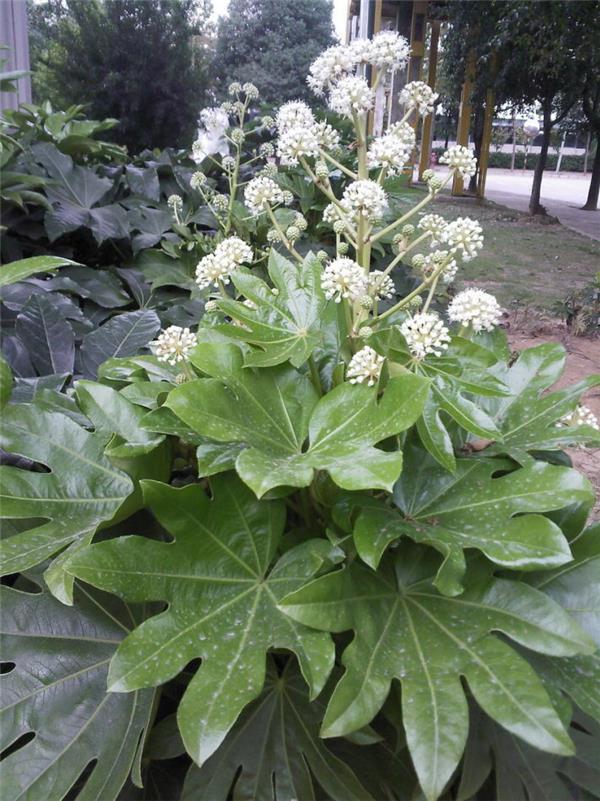
Fatsia japonica refers to its palmate leaves, which have about 8 lobes, appearing to have 8 corners, hence the name. Its foliage is glossy and verdant all year round, with leaves like little green palms. It is shade-tolerant, often planted beside rockeries or large trees in gardens, and can also be used as a foliage plant for indoor display in halls and venues.
Fatsia japonica originates from the mountain forests near the coast of warm regions in Japan. It prefers a shady, humid, warm and well-ventilated environment, and grows luxuriantly in well-drained, fertile, slightly acidic loam; it can also adapt to neutral soil. It is not tolerant of drought and is somewhat sensitive to cold, but has a certain degree of cold resistance. In the south, in ordinary years it suffers no obvious frost damage in winter, and its sprouting ability is fairly strong.
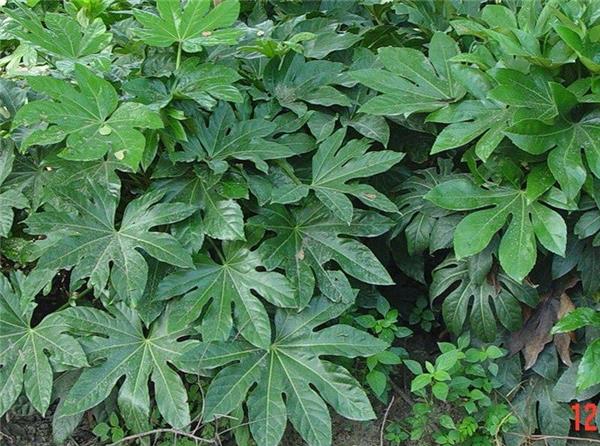
Propagation: cuttings and division are commonly used. For cuttings, softwood cuttings are taken during the plum rain season; they root in about 1 month after insertion, and can be potted for viewing the same year. Division is often carried out in early spring when repotting, cutting off the suckers at the base of the mother plant with roots and planting them separately.
Cultivation: the plant grows relatively fast, so potted plants need repotting every year to replenish fresh fertile soil. During the growing period from April to October, fertilize once every 2 weeks; in midsummer, move potted plants to a shaded place for care or display; in autumn, pay attention to watering during dry spells. Frequently spray water on the leaves and keep the potting soil moist. In winter, take care to protect against cold.
Pests and diseases: gray mold disease and leaf spot disease are common. Bordeaux mixture can be sprayed regularly, or 50% carbendazim wettable powder at 1000 times dilution can be used for control. Among insect pests, scale insects are harmful; spray with 50% fenitrothion emulsifiable concentrate at 1500 times dilution to kill them.
Application: Fatsia japonica has large, glossy leaves with variable leaf color, making it an important shade-tolerant foliage plant. Besides indoor potted display, it is suitable for planting in courtyards, along fences, beside ponds and by bridges.
The above is from the Fatsia japonica decoration website.