Planting Methods and Technical Key Points for Dichondra
Dichondra has emerald-green leaves, a low-growing habit, and dense, attractive foliage. It is an excellent lawn grass and ground-cover landscaping plant. Below, let us take a look at the planting methods for dichondra.
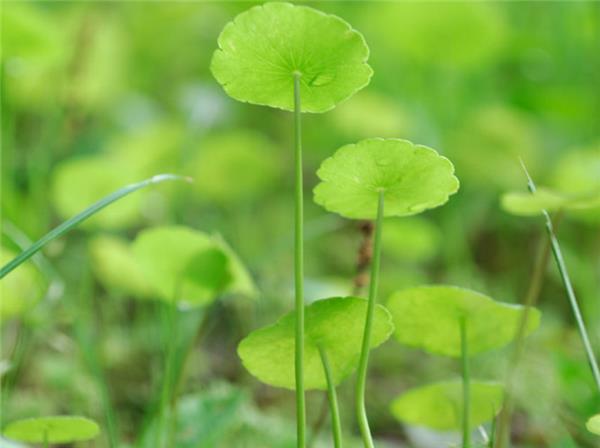
Planting Methods for Dichondra
1. Land preparation: Rototill the ground loose, rake it level, and work it fine so that the soil particles are less than 2cm in diameter. Adjust the soil pH to 5.5-7.0. Sterilize the soil with formalin:water = 1:40, using 10-15L of the solution per square meter of bed surface. Before sterilization, the soil needs to be dry.
2. Trenching and transplanting: On the prepared turf bed, open small trenches 2-3cm deep with a spacing of 3-4cm between trenches. Separate the prepared dichondra plants and place them evenly in the trenches, keeping a plant spacing of 3-4cm within the trenches, cover with 2cm of soil, water thoroughly once, cover with a shade net or grass curtain, and keep the soil moist every day. On the 5th day after planting, the plants grow vigorously, but the stolons have not yet fully contacted the ground to grow new roots; on the 10th day, large numbers of stolons will fully contact the ground and grow new roots and new shoots.
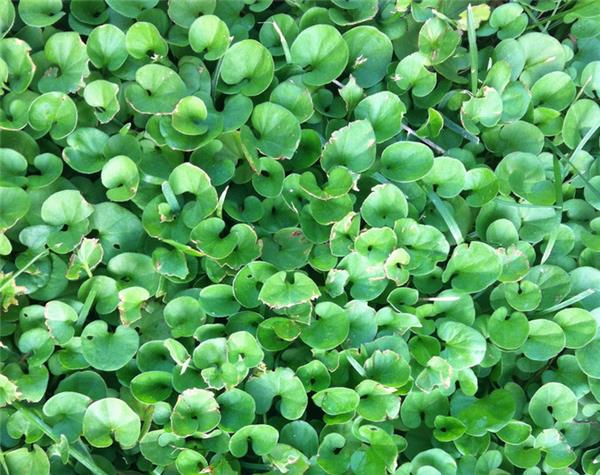
3. Fine sand mulching cultivation: Before planting, water the prepared turf bed thoroughly, tear the prepared dichondra sod apart by hand, spread it evenly over the turf bed, and evenly scatter the prepared fine sandy soil over the dichondra, with a sand cover 6-10mm thick. Keep the fine sandy soil completely moist, and cover with a shade net to prevent excessive water evaporation. By the 5th day, large numbers of new roots have grown at the stolon nodes of the dichondra; by the 10th day, large numbers of new branches have grown from the places where new roots emerged.
4. Fertilization: Because dichondra grows creeping along the ground and its leaves are relatively broad, fertilization is very difficult. If fertilization techniques are not strictly controlled, severe fertilizer burn of the seedlings can result. Generally speaking, if a highly soluble fertilizer is used, it is best to dissolve it first and then spray it with a sprayer; if a fertilizer that cannot dissolve immediately is used, then after fertilizing, a large amount of water must be applied to wash the fertilizer that has fallen on the leaves into the soil and help it dissolve as quickly as possible, which can reduce the degree of burn; alternatively, fertilize first, then use a broom to sweep the fertilizer under the leaves, and then water. At the same time, avoid fertilizing during high temperatures.
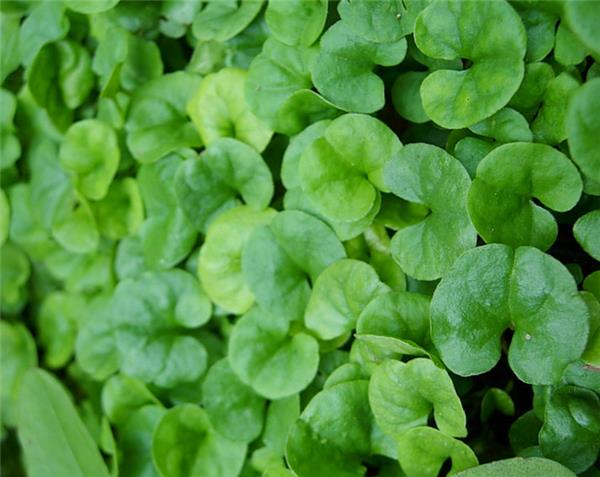
It likes nitrogen fertilizer. Normally, in combination with rain and watering, appropriate amounts of nitrogen fertilizer should be applied as a top dressing, preferably 3-5kg/mu of urea plus 5-10kg/mu of diammonium phosphate. After the turf has been cultivated for 2-3 years, because the rhizomes become densely packed together, soil compaction is easily caused, affecting aeration and water infiltration. Depending on the situation, spike holes can be made, or a knife or spade can be used to score lines and cut the grass roots to increase soil looseness, while simultaneously applying nitrogen fertilizer and watering appropriately to restore the lawn's vitality.
5. Weed control: The weed species appearing in dichondra lawns are fewer than those appearing in bermudagrass, Manila grass, and tall fescue lawns. On the one hand, this phenomenon is because dichondra lawns have a very strong creeping habit; on the other hand, it is because dichondra has a long green period and greens up early, giving it strong competitiveness against weeds. However, in newly planted dichondra lawns, because a 2-3 month growth period is needed before the ground is fully covered, weeds can easily invade before the ground is fully covered. When there are few weeds, manual pulling can be used; if there are many weeds, herbicides can be used. A single spray of the compound formulation Lujun SL-2 at 525-675g/hm2 can control the harm of most weeds, with a residual effect lasting as long as 80-90d, and it is safe for dichondra lawns. It is worth noting that herbicides are ideally used at the seedling stage of the weeds.
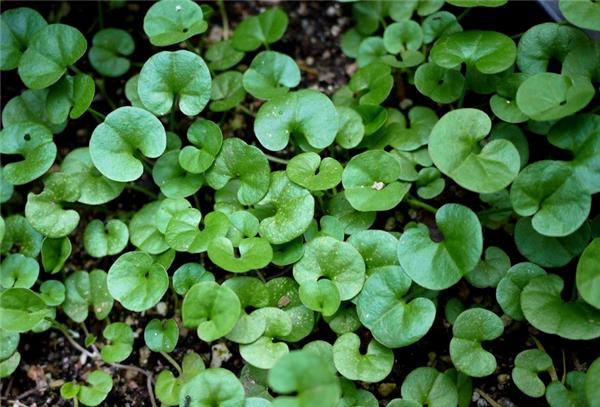
Medicinal Value of Dichondra
Dichondra functions to treat jaundice; dysentery; urolithiasis; white turbid urine; edema; boils and sores; traumatic injuries; and venomous snake bites. It clears heat and drains dampness, and resolves toxins and reduces swelling. It is used for hepatitis, cholecystitis, dysentery, nephritic edema, urinary tract infection, urinary tract stones, tonsillitis, and traumatic injuries. Slightly bitter and sweet, cold in nature. Enters the water and wind pagodas.
It can protect the liver and lower enzymes, relieve pain, resist inflammation, resist bacteria, reduce fever and promote bile flow, enhance immunity, and has anticancer effects. As an adjunct formula for other medicines, dichondra can treat "Long Niu," "Long Meng Sha Hei," treat "Long An Da Le," treat "Long Hai Mai Mao Ba," and "Shuo Feng Ling Lan" (these are all in the Miao language; the editor really cannot understand the meanings, so I can only ask friends to search online).
When taking it, it can be taken internally as a decoction, or applied externally in an appropriate amount by pounding and applying it to the affected area.