How to grow red water lilies? A complete guide to cultivation techniques
Aquatic higher plants are the switch between the turbid-water state and the clear-water state of lakes and a buffer that maintains the clear-water state. The red water lily has a clear effect on purifying total phosphorus and total nitrogen in water bodies. Below we introduce the cultivation techniques for red water lilies.
Introduction to the red water lily
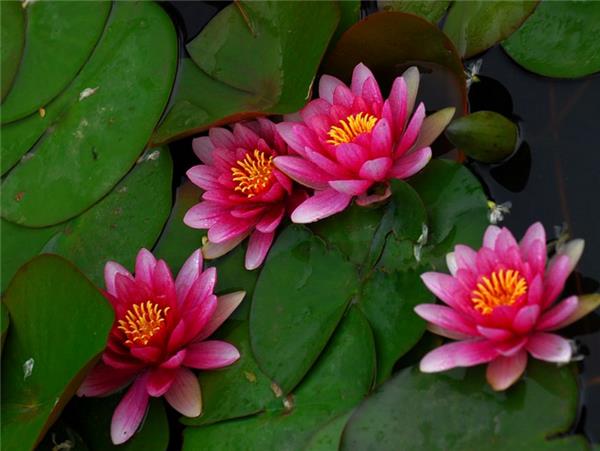
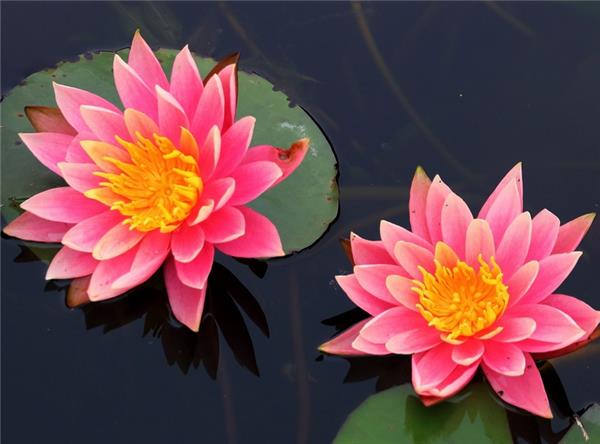
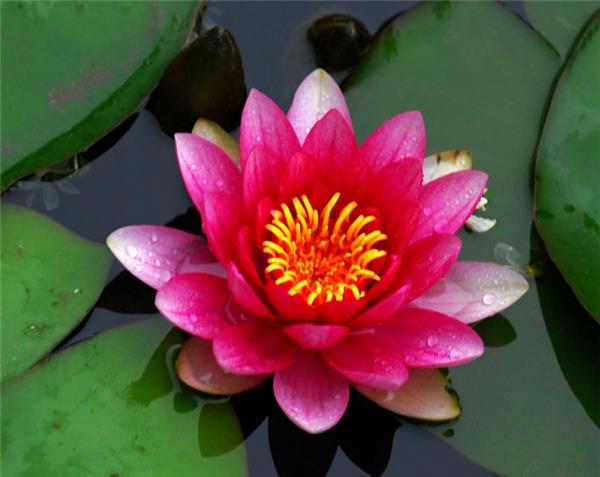
The red water lily, scientific name Nymphaea alba var. rubra Lonnr., is a perennial herbaceous plant of the genus Nymphaea in the family Nymphaeaceae. Its leaves are papery, roughly circular in shape, about 10 to 25 cm in diameter, with a creeping rhizome and a deep basal sinus. The flowers of the red water lily are relatively large, with a diameter of 30 to 34 cm. The flowering period is usually between June and August each year. When in bloom, the flowers are mostly rose red, looking very bright and gorgeous, and at the same time the flowers give off a faint fragrance, very pleasant to smell. When the summer flowering period arrives, the red water lily opens its beautiful smiling face and, together with the sunlight, radiates a dazzling light.
Red water lily cultivation techniques
1. Potting and soil
For growing red water lilies indoors, the more popular method nowadays is the home bonsai approach, that is, growing red water lilies in pots. The first issue then is the soil. Red water lilies generally prefer loam rich in organic matter, so this kind of soil can be used for cultivation, and the soil pH should be 6 to 8. Then plant the red water lily in a non-porous nutrient pot. The planting method is the same as the general method, except that you need to pay attention to the soil filling height being about 25 cm. After planting, it can be sunk into a pond. This way, a stable temperature can be ensured, overwintering is no problem, and red water lilies are also relatively easy to keep alive.
2. Watering and fertilizing
Whether a red water lily can grow normally is greatly related to its water. After all, this is an aquatic plant, and water is the most critical factor for its growth, and the amount of water will also seriously affect the temperature for plant growth. Therefore, when growing red water lilies, water is a factor that must be strictly controlled. In the early stage, use as little water as possible to raise the water temperature and promote plant growth. In autumn, increase the water to enhance photosynthesis. In winter, deepen the water level to raise the water temperature and prepare for safe overwintering. In addition, appropriate fertilizing is enough. Suitable topdressing is more beneficial to the growth of red water lilies, but note that when fertilizing, wrap the fertilizer well with tough, absorbent paper.
Common pests and diseases of red water lilies and control methods
During the growth and development of water lilies, they are susceptible to damage from aphids and water borers.
(1) Aphids. During the growth and development period of water lilies, if there is insufficient light and poor ventilation, not only will growth be weak, but they are also prone to aphid damage. When pests are found, spray with a 1200-fold aqueous solution of dichlorvos, or kill them with tobacco leaf water (50 grams of tobacco leaves added to 5 kg of water, boiled and ready to use).
(2) Water lily borer. The water borer, also known as the cotton water borer, damages water lily leaves with its larvae. It bites the leaf into two pieces of the same size, then spins silk to overlap the leaf pieces together, making a protective sheath, and lives inside it. With the support of the leaves, it can float freely on the water surface. After the protective sheath dries, it makes another new sheath. The larvae mostly move and feed at night. From August to September, the larvae mature, often joining two leaves together, then spinning silk to form a white oval cocoon for pupation.
Control methods:
① Promptly use a net to catch the larvae floating on the water surface.
② During the larval occurrence period, spray with a 50% fenitrothion 1000-fold solution.
Water lilies are flowers that do not need much management, because they grow very fast. Even if there are occasionally caterpillars or aphids, the damage to them will not be too serious. If water lilies are planted next to roses, the roses will be less likely to get aphids, because the aphids are all fed full by the water lilies. As long as there is sufficient light, they are guaranteed to grow vigorously.
In addition, besides being ornamental, water lily flowers can also be eaten. After removing the outer petals of the flower, making tea with them is very fragrant and tasty and rich in natural pectin, but dark-colored varieties are too fragrant and slightly bitter, so light-colored varieties are generally used for flower tea. You can also pull off the petals and blend them with milk, ice cubes and fructose in a juicer to make a beautiful and tasty water lily smoothie.
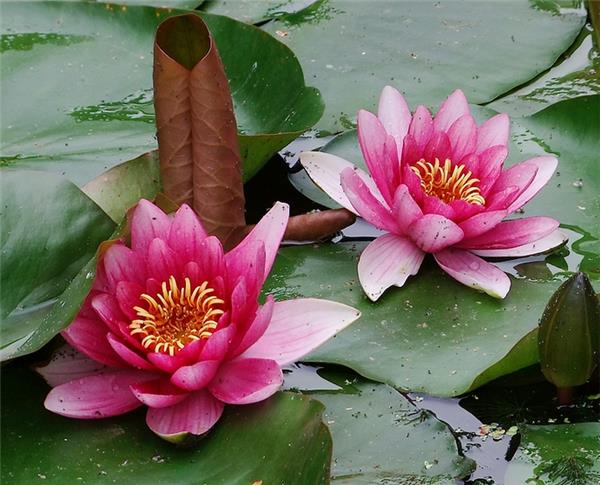
Red water lilies are generally about 15 cm, and those with 3 buds are priced between 5 and 10 yuan. Of course, when we usually buy water lilies, we often buy them together with the pot, so you also have to add the price of the flower pot. I saw red water lilies together with a flower pot in the supermarket priced at about 35 yuan. If you buy at a flower market, it depends on the market you go to.
Therefore you also have to add the price of the flower pot. I saw red water lilies together with a flower pot in the supermarket priced at about 35 yuan. If you buy at a flower market, it depends on the market you go to.