How to grow calla lilies? Detailed guide to cultivation methods and precautions
Calla lilies are a very common flower in our daily life. Today we will introduce the cultivation methods and precautions for calla lilies.
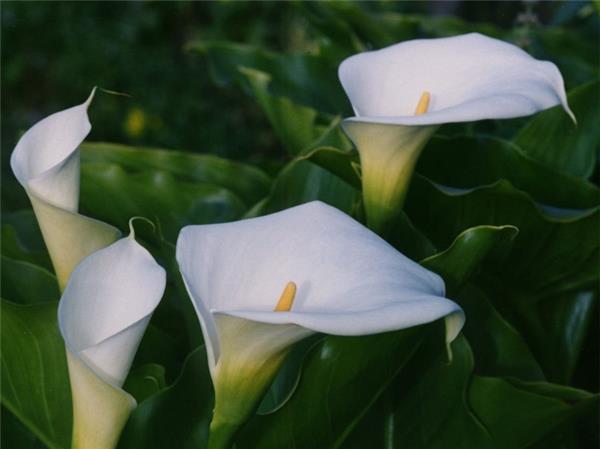
Cultivation methods for calla lilies
1. Soil: For growing calla lilies, it is best to choose a loose, fertile, humus-rich, well-aerated and well-draining soil with a slight clay content. It is best to place a layer of coarse sand grains at the bottom of the pot, then add the soil and leaf mold, and mix in a small amount of organic fertilizer to ensure good growth.
2. Temperature: Calla lilies like a warm, humid environment and should be protected from direct strong light. In summer, when the light is intense, appropriate shading should be provided, while in winter they need to be kept warm. The suitable growing temperature for calla lilies is 22-30°C. When the temperature is below 20°C, the growth of calla lilies will slow down or even stop.
3. Watering: Watering calla lilies should be determined by how dry the potting soil is. Calla lilies like sufficient moisture during the growing period. Normally, water can be sprayed on the surface of the potting soil, the leaves and the flowers to maintain a humid environment, and attention should be paid to keeping the leaves clean so they remain fresh and green.
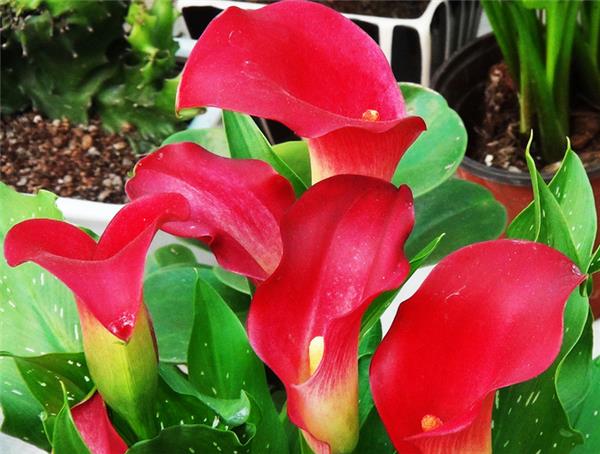
4. Light: Calla lilies are relatively tolerant of shade in the early stage of growth. During vigorous growth, they must have very sufficient light, and during the flowering period they need even more sufficient light to ensure abundant flowers and lush leaves. If calla lilies do not receive enough light during the flowering period, the buds can easily turn green or fail to bloom.
5. Fertilizing: During the growing period, fertilize calla lilies once every 20 days, using fermented soybean cake water; during the peak growing season, apply light fertilizer frequently, once every 10 days. When fertilizing, do not pour the fertilizer water in from the leaf sheaths, as this may cause the calla lilies to rot and die. Too little fertilizer may cause the leaves to turn yellow and lead to nutritional deficiency, while too much fertilizer can also easily cause yellow leaves in calla lilies.
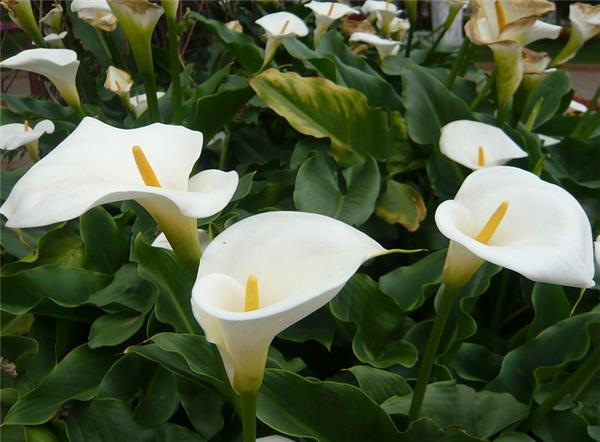
Precautions for growing calla lilies
1. Planting season for calla lilies: Calla lilies enter dormancy in June-July. At this time, the corms around mature plants can be removed to grow new potted plants. The best growing season is August-September. If propagation by division is used, it must be done in autumn, otherwise it will be difficult for them to bloom that year or the flowering period will be late.
2. Toxicity of calla lilies: The tubers, spathes and spadices of calla lilies are all toxic, containing large amounts of calcium oxalate crystals and alkaloids. Accidental ingestion can cause poisoning symptoms such as coma, so be sure to remember this when growing them.
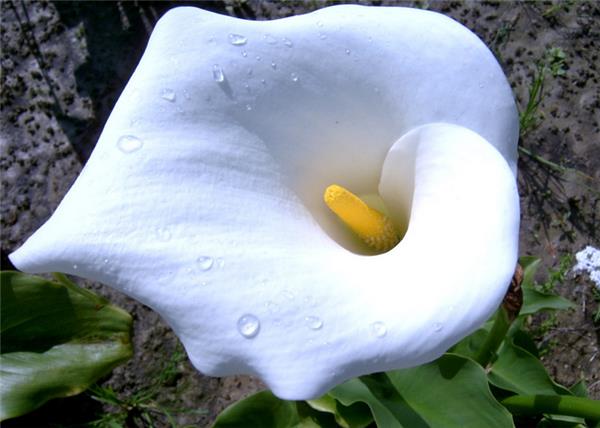
Tips from growing calla lilies
1. Calla lilies' dislike of "smoke": Calla lilies are relatively sensitive to "smoke." Stove smoke and cigarette smoke can both cause yellow leaves, fallen flowers and poor growth in calla lilies.
2. Watering: Provide enough water (do not plant too shallowly; water again when the soil becomes dry).
3. Drainage: The soil should have good drainage to prevent overly wet conditions from occurring.
4. Prevent damage to plants and tubers: Prevent wind damage to the plants, take care not to let herbicides affect plant growth, and handle carefully during harvest and handling.
5. Prevent fungal diseases and pests: For example, damage caused by Pythium or Rhizoctonia may provide an entry point for Erwinia infection.