Detailed Guide to Spider Plant Cultivation Methods and Precautions
Spider plants (Chlorophytum comosum) have an exceptionally strong ability to absorb harmful gases. If it is a newly renovated home, owners are generally advised to place several pots of spider plants in the house. With one pot of spider plant in a room, the toxic gases released into the air by smoking and building materials can be almost completely absorbed, thus purifying the air. Today, the editor will explain some methods and precautions for spider plant cultivation.
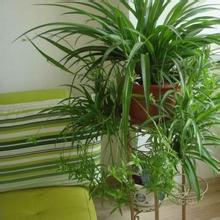
Spider plants are a fairly common plant in our daily lives, and cultivating them is not particularly difficult. They originated in South Africa. They belong to the Agavaceae family as perennial evergreen herbaceous perennials. The roots are fleshy, and the leaves are slender, resembling orchid leaves.
Spider plants prefer a warm, moist, semi-shaded environment. They are highly adaptable and relatively drought-tolerant, but not cold-tolerant, and they are not demanding about soil; generally, they grow best in well-drained, loose, fertile sandy soil. They are not strict about light requirements, generally suitable for growing under moderate light conditions, and also tolerate weak light. The optimum growth temperature is 15-25°C, and the overwintering temperature is 0°C.
Spider plant cultivation methods:
1. Light
Spider plants prefer a semi-shaded environment. In spring and autumn, avoid direct exposure to strong sunlight. In summer, when sunlight is especially intense, they should only receive some slanting light in the morning and evening, and during the day 50%-70% of sunlight needs to be shaded. Generally speaking, spider plants grown in semi-shade will have more attractive coloration.
2. Temperature
The optimum growth temperature for spider plants is 15-25°C. When cultivating spider plants in the north, attention should be paid to keeping them warm in winter.
3. Water
Spider plants prefer a moist environment, and the potting soil should be kept moist regularly. In summer, watering should be sufficient, and around noon and in the evening, water should also be sprayed on the branches and leaves to prevent the leaves from drying out.
4. Fertilization
Spider plants are foliage plants that are relatively tolerant of fertilizer. If fertilizer and water are insufficient, they are prone to scorched tips and aging, with leaves turning yellow and losing their ornamental value. Therefore, spider plants should be fertilized appropriately on a regular basis.
5. Soil and Pot Changing
In the management of potted spider plants, in order to achieve lush stems and leaves, the soil and pot should be changed once every year in March to prevent root rot in spider plants.
6. Propagation
Spider plants are generally propagated by division or by directly planting young plantlets with aerial roots cut from the flower scapes at any time.
The above is from the Spider Plant Cultivation and Renovation Network.