How to grow Serissa japonica? A detailed guide to Serissa japonica cultivation methods
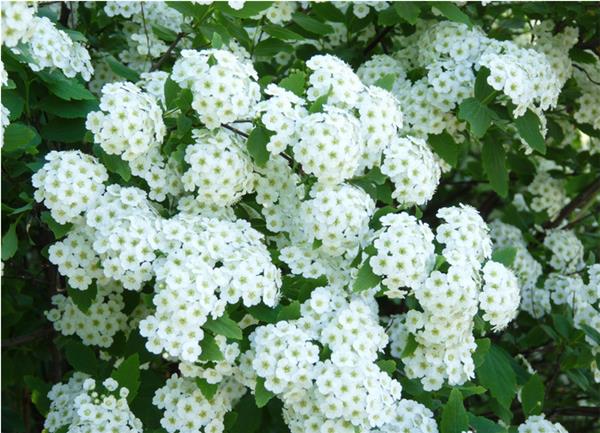
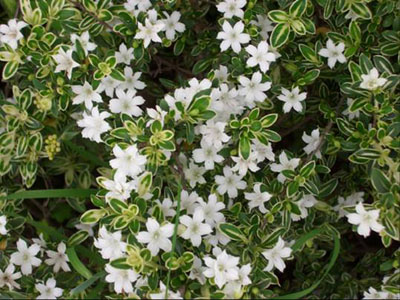
Serissa japonica - just hearing the name tells you it must be a very beautiful flower. Serissa japonica gets its name because its flowering period is in June, and the small white flowers it produces look like a blanket of white snow from a distance, pure and lovely. Today, the editor will introduce the cultivation methods of Serissa japonica and discuss with everyone how Serissa japonica should be grown.
[Habits of Serissa japonica]
Serissa japonica generally blooms small white flowers in June. The Serissa japonica tree is small, with sparse branches and leaves, and a very beautiful form. Many people use it for bonsai. Serissa japonica likes shady places and is afraid of the sun. It is divided and planted in spring, or propagated by cuttings during the plum rain season, and is best watered with weak tea. It is not strict about temperature. It has strong drought tolerance and is not strict about soil. For pot cultivation, it is best to use soil containing humus, loose and fertile, with strong permeability.
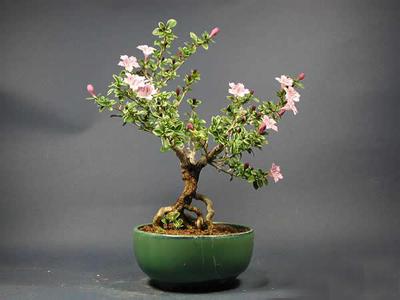
[Cultivation methods of Serissa japonica]
1. Light: The sunlight requirements of Serissa japonica differ by stage. During the growing period, if kept outdoors, it must receive sufficient sunlight. If grown indoors, make sure it can do well under fluorescent lighting, but keeping it in a room where it can get indirect light from an open window and supplemental fluorescent lighting is often best. If Serissa japonica does not get enough light, its growth may not be compact. However, Serissa japonica avoids exposure to scorching sun, and during the growing period it should be placed under half shade, such as tree shade or a shade shed. It should not survive in places with too strong light, otherwise the growth of branches and leaves will be affected.
2. Temperature: It likes a warm environment. The suitable temperature for growth is 20-30. Before winter, it should be moved indoors in time to keep warm, and the room temperature should be kept above 5°C. At the same time, watering should be reduced, and keeping the pot soil half-dry is enough. This can achieve the effect of lush green and smooth plants.
3. Water: Do not water too frequently or too much. Keep the pot soil moist, and water again only when it is dry. In the rainy season, do not let water accumulate in the pot, so as to avoid root rot. In hot and dry summer weather, spray water on the leaves in the morning and evening to lower the temperature and increase air humidity, so as to benefit its growth.
4. Soil: For pot cultivation, it is best to use slightly acidic, moist culture soil containing humus, loose and fertile, with strong permeability, which is beneficial to plant growth.
5. Fertilizer: In winter, fertilize once every two weeks; from early summer, fertilize once a month. Use liquid bonsai food or half-strength plant food. When fertilizing, keep the compost moist to avoid burning root tips. Fertilizing favors slightly acidic soil conditions. When Serissa japonica has lost its leaves, stop fertilizing, or if it does not show new growth.
The above are the cultivation methods of Serissa japonica. Decoration Network.