How to Grow Peace Lilies: Care Methods and Precautions, The Complete Guide to Houseplant Care
How to grow peace lilies: During the growing period, apply an organic fertilizer solution once every 7-10 days, and provide plenty of water to keep the potting soil moist, but avoid waterlogging in the pot. It is best to loosen the soil on the surface of the pot frequently so that the potting soil stays loose and airy. As long as the temperature is suitable, it can grow well all year round. During the hot, dry summer period, frequently spray water on the pot surface, the leaves, and the ground around the pot to increase the air humidity in a small area and lower the temperature, which benefits its growth. If the environment is dry, new leaves will become smaller and turn yellow, and in severe cases will wither, turn yellow, and drop off. In late autumn and winter, watering should be reduced and fertilizing stopped, and it is enough to keep the potting soil slightly moist.
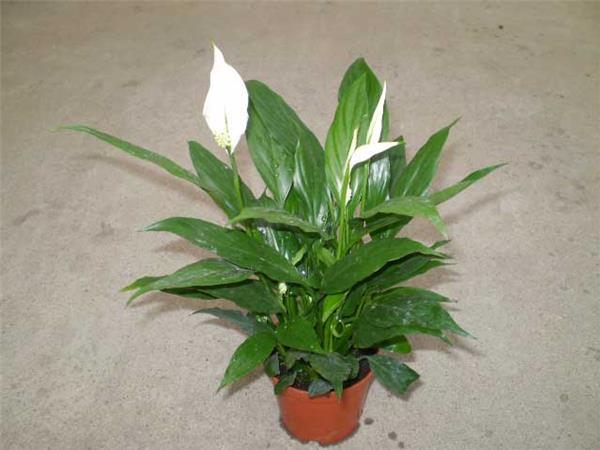
It prefers semi-shaded and humid environments. In summer, attention should be paid to shading, and blocking out 60%-70% of the sunlight is sufficient. If the light is too strong, the leaves are easily scorched and become withered and scorched, and the leaf color becomes dull and loses its luster, affecting its ornamental value. If the light is too dim for a long time, the plant will also grow thin and weak, develop poorly, and be less likely to bloom.
It prefers high temperatures and fears the cold. In winter it must be brought indoors to overwinter, and the room temperature should be kept above 10°C for it to overwinter safely. If the room temperature can be kept at 20°C-25°C, it will grow well. If it is kept below 10°C for a long time or the potting soil is too wet, it easily causes root rot, and the above-ground leaves turn yellow and withered; in severe cases, the entire plant will die.
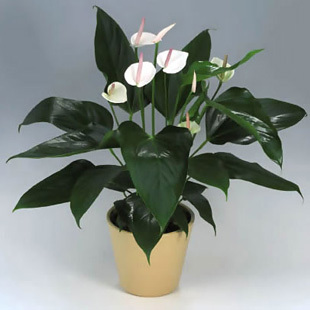
The methods for growing peace lilies fall into two types: potted culture and water culture:
1. When growing peace lilies in pots, first make sure the soil is loose and has good drainage and air permeability. Before obtaining high-quality seedlings, prepare a growing medium. For the medium, you can choose ordinary Northeast peat and add 15%-20% perlite, keeping the soil pH at around 5.5.
2. In peace lily cultivation, temperature control is also very important. The peace lily is a high-temperature-loving species and should be cultivated in a high-temperature greenhouse. The most suitable daytime and nighttime temperature is 20°C-21°C, and it should not exceed 24°C at most. If the daytime temperature is relatively high, as compensation, the nighttime temperature can be appropriately lowered. Once the peace lily is kept in a low-temperature state for a long time, it easily causes leaf drop or a scorched-yellow appearance.
3. Humidity regulation. Peace lilies prefer humid environments, so never wait until the soil medium is completely dry before watering. The best watering method is overhead spraying, and the optimal relative humidity is 75%-85%.
4. Fertilization management. During the flowering season of the peace lily, at the reproductive growth stage, spray a nutrient solution with an N:K ratio of 1.5:1 to promote flowering.
If peace lilies are grown by water culture, planting is even simpler. In the early stage of planting, choose a vase with a relatively large bottom, and it is best to submerge 1/2-2/3 of the root system. In summer, change the water about once every 7 days; in winter, change it about once every 10-15 days, and add a few drops of special nutrient solution for water-cultured flowers. During water culture, regularly wash away the mucus on the peace lily roots and prune rotten and old roots.
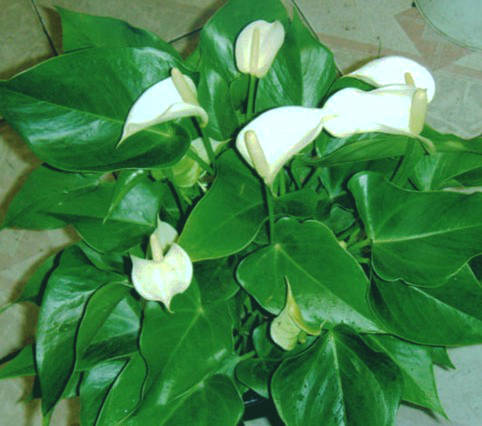
Precautions for growing peace lilies
1. Improper lighting. Peace lilies need relatively good light in winter and early spring, so do not keep them in shade. When the light gradually becomes stronger, shade them gradually. If they are being enjoyed in a shaded place, do not place them directly in the sun to bake, otherwise they will become uncomfortable due to the drastic change in environment, showing wilting, yellow leaves, or even dying.
2. Humidity: Peace lilies need relatively high growing humidity. If the air is too dry, it will cause the leaves to wilt. This can be solved by increasing spraying or sprinkling water on the ground of the environment. Covering them with a transparent plastic bag also works, but when the light is relatively good, ventilate slightly or open a hole at the top of the plastic bag for ventilation, otherwise the temperature inside the bag will rise sharply.
3. Improper fertilizing. Fertilizer should be applied lightly; do not apply concentrated fertilizer or raw fertilizer, and after applying solid fertilizer, water once with clear water. It is best to use dilute fertilizer water instead of clear water for watering. In this way, fertilizer damage generally will not occur, and the plant will grow luxuriantly.
4. Unsuitable temperature. Generally this situation will not occur at this time; it mostly appears when the temperature is below 5°C or above 35°C.
5. Pests. If there is damage from harmful mites, the leaves will show adverse symptoms such as wilting, faded luster, and yellowing and withering. Miticides can be sprayed for control, such as dicofol, hexythiazox, pyridaben, and so on.