How to Keep Parrot Fish? A Detailed Guide to Common Disease Prevention and Treatment
Parrot fish, commonly known as the red fortune fish or fortune fish, has a whole body of brilliant red, plus a chubby body shape and soft fin rays, making it extremely adorable. Many fish-keeping enthusiasts like to keep a few parrot fish at home. Today, the editor will introduce to you how to keep parrot fish, as well as the common diseases of parrot fish.
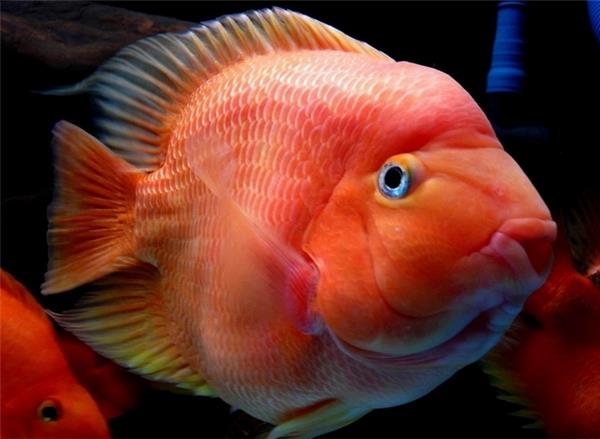
How to Keep Parrot Fish
1. Selecting parrot fish: When selecting parrot fish, you should pay special attention to their mouths and gill covers. A perfect parrot fish should have a small, delicate mouth shaped like a triangle, a T, or a heart. At the same time, the gill covers should not flip outward, the bigger the eyes the better, and the shorter the body shape the better.
2. Water quality management: Parrot fish also need soft water that is weakly acidic and low in hardness. However, because parrot fish are born with a mouth that cannot close, their ability to control the intake and outflow of water is poor, and the water flow passing through the gills is relatively small, so excellent water quality and oxygen supply must be maintained.
3. Temperature control: Parrot fish are relatively less demanding about water temperature, and their bodies have a fairly strong ability to adapt to temperature, but the temperature is best kept at around 25-28 degrees, and the temperature difference during water changes should not be too large.
4. Water change frequency: Generally change the water once every three days, changing one quarter each time; keeping the water fresh can ensure that parrot fish do not fade in color.
5. Feeding control: Never feed small river fish. Perhaps the color of small river fish triggers their atavistic genes. As long as you feed small river fish, the parrot's color will definitely become lighter; the feed should be color-enhancing feed.
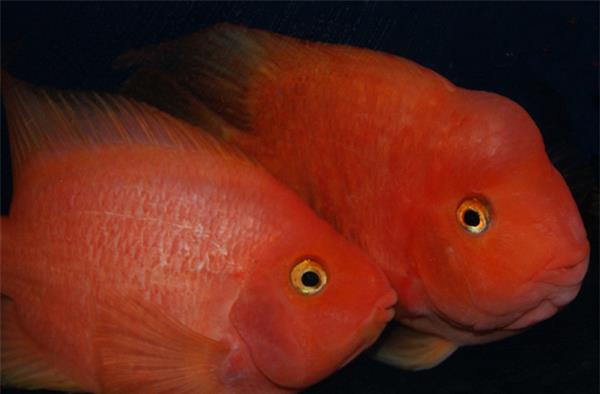
Common Diseases of Parrot Fish
1. Bacterial diseases: Roughly, gill ulceration and body surface damage are the most common. The symptoms are reduced activity, poor appetite, rapid breathing, and so on. At this time the gills are actually already in serious danger, but it still cannot be seen very well from the outside. Only by lifting the gill covers to check can the ulcerated tissue be seen. For treatment and prevention, antibiotics can be used. Generally, medication for treating gill rot can serve as simple prevention and control.
2. Fungal diseases: This type of disease is mainly caused by mold. Generally, when fish are covered by fungi, it mostly grows on the body surface. At this time the fish will have movements of rubbing against the bottom sand or the tank wall. Generally, medication for treating water mold can simply prevent and treat it. However, as long as a good environment and suitable temperature are provided, fungal problems can actually be reduced.
3. Parasitic diseases: Parasitic diseases occur in aquarium tanks with extremely poor water quality, mainly caused by white spot disease organisms and flagellates. Once there are too many parasites on the body, the blood parrot will gradually become thinner and its body color will fade. However, parasitic diseases are generally relatively easy to treat. As long as you give a medicated bath, supplemented by commercially available medication for white spot disease, the white spot organisms will naturally be cured once the medicine takes effect!
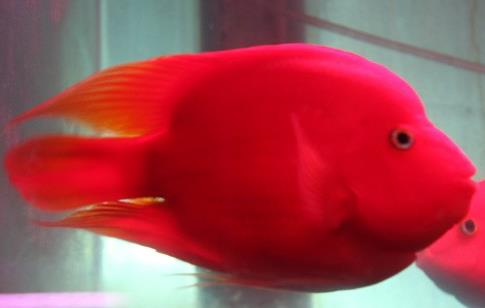
The above is from the decoration network on how to keep parrot fish.