How to grow lilies? A step-by-step guide to indoor cultivation methods
Lilies are pure and elegant, and have long been known as the "fairy in cloud garments," so many people want to grow them indoors, but they are not clear on how to grow lilies. Below we give a simple introduction to indoor lily cultivation methods.
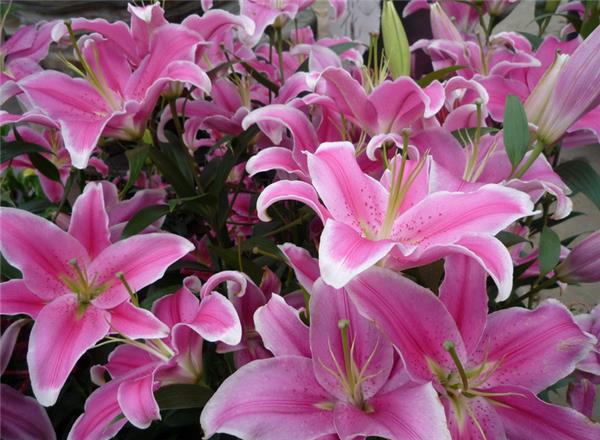
How to grow lilies
1. Prepare the bulbs. Some bulbs have not yet grown roots; look for the one with the scale opening facing upward, which is the sprout.
2. Prepare the soil. Lilies like fertile sandy soil with good water retention and drainage. You can also mix your own: peat : river sand : perlite = 2:2:1. You can also use soil for cactus-type plants; in any case, you must not use clay. Nutrient soil also works, with good drainage, and is suitable for planting bulb-type plants.
3. Pot. Lilies are bulbous flowers with two layers of roots, so a relatively deep pot is required. Generally use a pot with a 20 cm diameter, which can hold 2-3 bulbs. Three bulbs is fairly compact, and it will look better when in bloom.
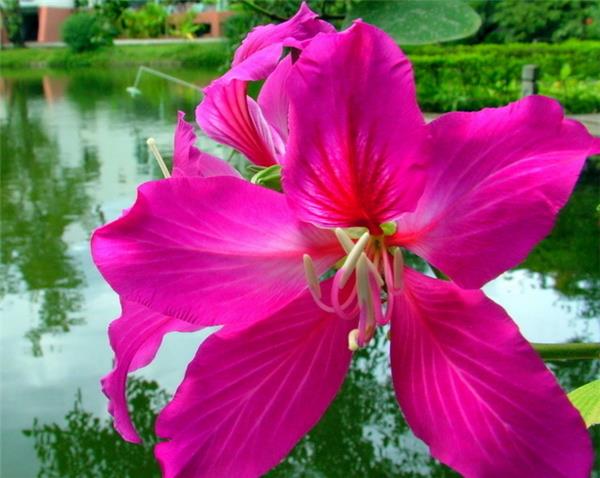
4. Planting. Before planting newly bought lily bulbs, it is best to disinfect them. Generally, soak them in a 1000-fold solution of imported carbendazim for 20 minutes, rinse with clean water, and plant after drying. First put 10-15 cm of soil in the bottom of the pot, place the bulbs; if there are three bulbs in one pot, place the tops of the bulbs toward the edge of the pot, that is, tilt them toward the pot edge, so that the plants are evenly distributed after sprouting. Cover the tops of the bulbs with about 5 cm of soil, water thoroughly, and place in a cool place for 1-2 days.
5. Water. Keep it moist at ordinary times, that is, grab a handful of soil and squeeze hard; water seeps out between your fingers but does not drip down. Do not overwater; too much water easily causes root rot. When watering, water thoroughly; do not give only half a watering. Tap water needs to be left to stand for one or two days before use. In addition, water twice a month with a 1000-fold solution of imported carbendazim. Air humidity is best at 60-80%, and the humidity should preferably be stable; if the humidity varies too much, leaf scorch is likely, especially from just having buds to the flowering period. At home, there is no need to be so particular; just mist twice a day, morning and evening.
6. Fertilizing. Lilies do not need much fertilizer; generally fertilizing once every half a month is enough. Use long-acting Osmocote, quick-acting nitrogen fertilizer and quick-acting phosphorus-potassium fertilizer in combination. You can ask the seller about how to use them.
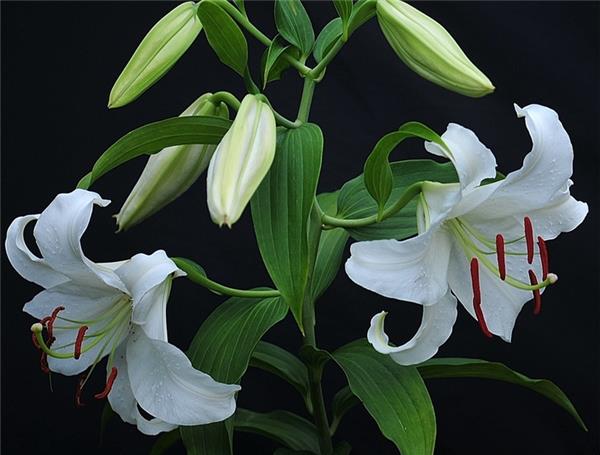
7. Light. In the early stage, lilies require relatively more shading, generally 60% shading. When the sunlight is not strong, shading can be omitted; this way the plants are more robust, more compact, and the flowers are large and vivid.
8. Flowering period. Generally, beautiful lily flowers can bloom in 3 months.
9. After flowering, lilies can be cut off at the base. Because flowering has already consumed a lot of nutrients from the bulb, if you want to keep the bulb for continued planting at this time, you must continue fertilizing to replenish the bulb's nutrients. After one month, you can dig out the bulb, cut off the fibrous roots, and refrigerate it for a period to break dormancy, then plant it again later, but the quality of the flowers will decline, and it will certainly not be as good as the first flush of flowers.
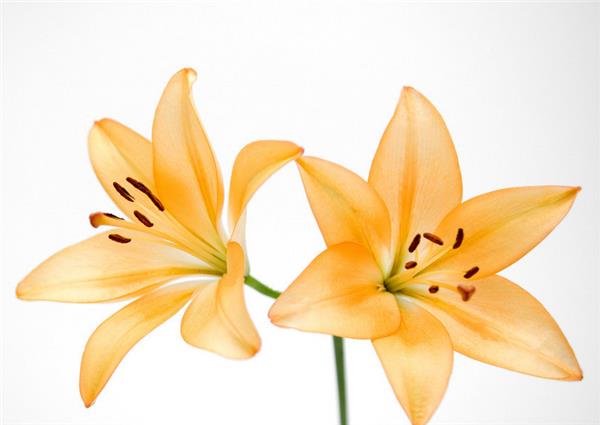
Precautions for growing lilies
Pot cultivation is best done in September to October. For the growing soil, mix leaf mold, sandy soil and garden soil in a 1:1:1 ratio. Apply enough fully decomposed compost and a small amount of bone meal at the bottom of the pot as a base fertilizer.
The planting depth is generally about 2-3 times the diameter of the bulb. Lilies do not have very high fertilizer requirements; usually it is enough to apply fertilizer moderately when growth begins in spring and at the early flowering stage. Some growers abroad believe that lilies need relatively more nitrogen and potassium fertilizer, and should be fertilized once every 10-15 days during the growing period, while phosphorus fertilizer should be limited, because too much phosphorus fertilizer causes yellowing leaves.
During the flowering period, phosphorus fertilizer can be added for 1-2 days. To make the bulb plump, promptly cut off spent flowers after blooming to reduce nutrient consumption. Watering only needs to keep the potting soil moist, but during the peak growing season and in dry weather, water appropriately and more frequently, and often sprinkle water around the flower pot to increase air humidity.
The potting soil should not be too wet, otherwise the bulb easily rots. Potted lilies should be repotted once a year, with new growing soil and base fertilizer. In addition, during the growing period, turn the pot once a week. Otherwise the plants tend to grow lopsided, affecting their appearance.