What are the benefits and contraindications of rose tea?
Rose tea is a drink that many women love to drink, so do you know the benefits and contraindications of rose tea? Below we give a brief introduction.
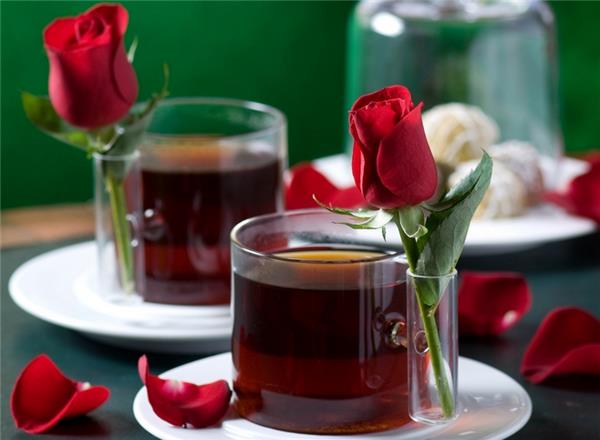
Benefits of rose tea
Benefit one: regulating qi and relieving depression, harmonizing blood and dispersing stasis. It mainly treats qi pain of the liver and stomach, acute and chronic wind arthralgia, hematemesis and hemoptysis, irregular menstruation, leukorrhea with reddish discharge, dysentery, breast abscess, and swelling and toxins.
Benefit two: take 3-5 grams of processed flower buds, brew them in boiling water for 5 minutes, and you may add sugar or honey, or mix in your favorite tea leaves and brew together. It is fragrant and pleasant, and has effects such as regulating qi and harmonizing blood, soothing the liver and relieving depression, lowering blood lipids and aiding weight loss, and nourishing the skin and promoting beauty. It has a remarkable effect especially on menstrual pain and irregular menstruation in women.
Benefit three: the rose has strong adaptability. Besides extracting rose oil from the flowers, the dried flowers, flower buds, and roots can all be used as medicine, and the fruit is rich in vitamins and can be made into natural drinks and foods. Roses can be made into rose wine, rose dew, and rose jam, with the unique effects of clearing heat and reducing internal heat and promoting beauty and skin care.
Benefit four: among the people there is a secret recipe of boiling rose buds with brown sugar into a paste; after taking it, it can enrich the blood and nourish qi and nourish the complexion. The method is to add about 500 grams of clean water to 100 grams of rose buds, decoct for 20 minutes, filter out the flower residue, then simmer into a thick juice, add 500-1000 grams of brown sugar, and simmer into a paste. If taken over a long period, it can be put in the refrigerator, taken 1-2 teaspoons daily, and the effect is better with long-term use. Several proven rose beauty recipes: rose mask - soak 25 grams to 50 grams of rose petals in 100 milliliters of water, and after an hour mash into a paste. 2. Apply to the face before bed, and wash off with warm water after it dries.
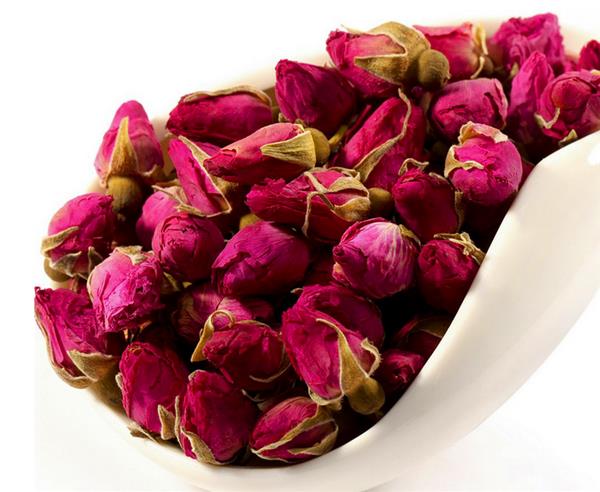
Benefit five: moisturizing the skin, promoting blood circulation, and improving complexion. Beauty rose tea - wash 4 jujubes, 3 roses, and 20 grams of goji berries, put them in a cup, add 300 ml of boiling water, and soak for 5 minutes before drinking. You may add rock sugar or honey according to taste. Drink freely as a tea substitute.
Benefit six: making the skin delicate, supple, and rosy. Chrysanthemum rose drink - put 6 roses, 6 white chrysanthemums, 10 grams of poria, 6 grams of angelica dahurica, 5 lotus seeds, and 3 jujubes into a clay pot, and add 500 milliliters of water. First bring to a boil over high heat, then simmer over low heat for 15 minutes. Remove the residue and take the juice, and add a few drops of honey when drinking to make the taste sweeter.
Benefit seven: removing spots, replenishing moisture, and improving complexion. Roselle has a faint aroma and a sour taste, and contains nutrients such as vitamin C, sambucus triterpene glycosides, and citric acid. Effects: regulating and balancing blood lipids, enhancing calcium absorption, promoting children's development, promoting digestion, detoxifying and promoting beauty, stimulating appetite and strengthening the spleen, softening blood vessels, lowering blood pressure, cooling and detoxifying, clearing toxins and sterilizing, reducing inflammation and relieving itching, inhibiting bacterial growth, preventing infection, eliminating fatigue and constipation, and also having diuretic and metabolism-promoting effects.
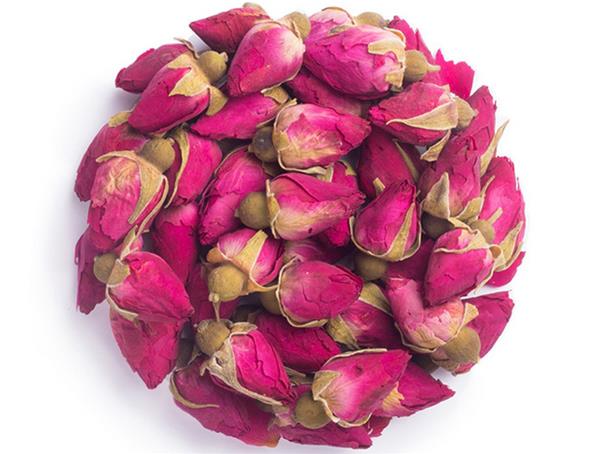
Dietary contraindications of rose tea
1. Drinking it together with other teas
One of the contraindications of rose tea. Every tea has its own unique effects, but did you know? Some teas cannot be drunk in combination with other teas, and rose tea is one of them. Therefore, when drinking rose tea, do not brew and drink it together with traditional tea leaves.
2. During pregnancy
Bearing new life is the hardest time for great mothers. During pregnancy, many matters need attention, and drinking tea is no exception. Therefore, friends who are pregnant must firmly remember that during pregnancy they must never drink rose tea. This is the second contraindication of rose tea. Because rose tea is made through special processing, for your health and your baby's health, you must not drink rose tea during pregnancy.
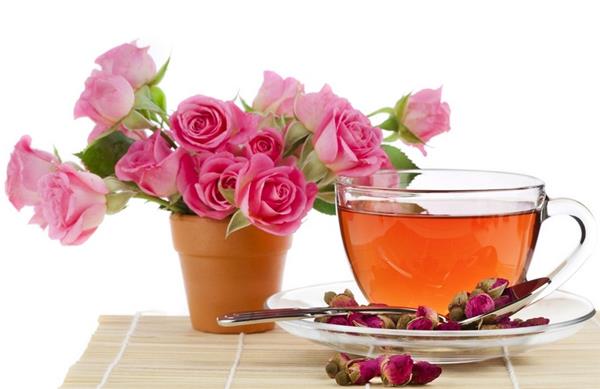
3. During menstruation
The third contraindication of rose tea. Rose tea has the effect of regulating menstruation, but it should also be drunk during the correct time period. The best time is to drink rose tea a few days before menstruation begins, as the effect is best then. If a female friend is during the period when menstruation "visits", remember firmly not to drink rose tea.
4. People prone to internal heat and constipation
The fourth contraindication of rose tea. The components of the rose have heat-promoting and astringent effects. Friends who like drinking rose tea should be reminded that if you are relatively prone to internal heat or constipation, remember not to drink rose tea.