What are the benefits and effects of Gardenia jasminoides
What are the benefits and effects of Gardenia jasminoides? Nowadays, Gardenia jasminoides has become a fashionable green plant for home decoration. Placing it at home can immediately calm people's minds, and with the faint fresh fragrance drifting from the flowers, the whole person feels refreshed and clear-headed. Moreover, Gardenia jasminoides also has certain benefits for our health. Below, the editor will introduce the benefits and effects of Gardenia jasminoides. Come and take a look!
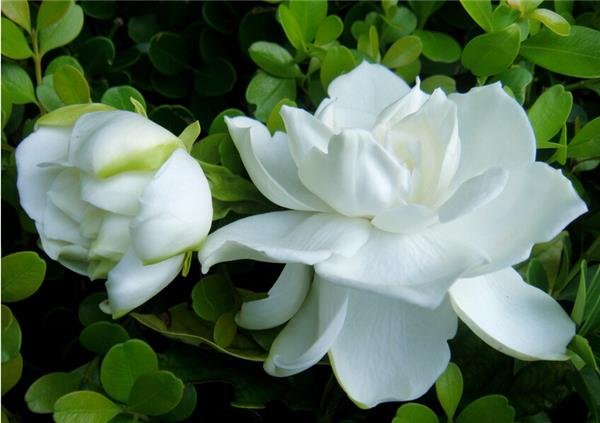
How to grow Gardenia jasminoides
1. Soil requirements - Gardenia jasminoides likes to grow in acidic soil, so when choosing soil for Gardenia jasminoides, pay attention to selecting acidic soil for cultivation, and also note that the soil pH value should be controlled between 4.0-6.5, so the choice of soil is also very important for cultivation needs;
2. Suitable growth temperature requirements - based on the growth temperature needs of Gardenia jasminoides, the optimal growth temperature is 16°C-18°C, but note that temperatures that are too high or too low are both unfavorable for the growth needs of Gardenia jasminoides. Therefore, in summer and winter, it is recommended to choose a well-ventilated indoor space for cultivation, so this is also something growers should pay attention to;
3. Sufficient moisture - Gardenia jasminoides likes a warm, humid and sunny environment, so its moisture needs and air humidity are also very important. During the growth period of Gardenia jasminoides, pay attention to appropriately increasing the amount of watering, and also pay attention to spraying some water on the leaves of Gardenia jasminoides, which can very well increase air humidity. At the same time, also note that watering in winter should not be excessive, to prevent root rot;
4. Sufficient light time - during the growth period of Gardenia jasminoides, also pay attention to the need for an appropriate amount of light. Gardenia jasminoides is a light-loving plant, so it is recommended to pay more attention to increasing light time during spring and autumn, and in summer and winter, it is recommended to place it indoors for cultivation with light, avoiding temperatures that are too high or too low during the growth period;
5. Appropriate fertilization - supplement the nutrients needed for growth. Gardenia jasminoides also has very high nutrient needs. In order to meet the fertilizer needs of Gardenia jasminoides during the growth period, it is recommended that during the vigorous growth period of Gardenia jasminoides, apply fertilizers such as bean cake, sesame paste residue, and peanut bran once every half a month, which is also beneficial for producing more and more abundant flowers;
6. Pay attention to pruning - during the growth period of Gardenia jasminoides, branches can easily overlap, becoming dense and poorly ventilated. Therefore, during this period, carry out an appropriate amount of branch pruning, which can also very well promote growth, and cut off other branches sprouting from root tillers;
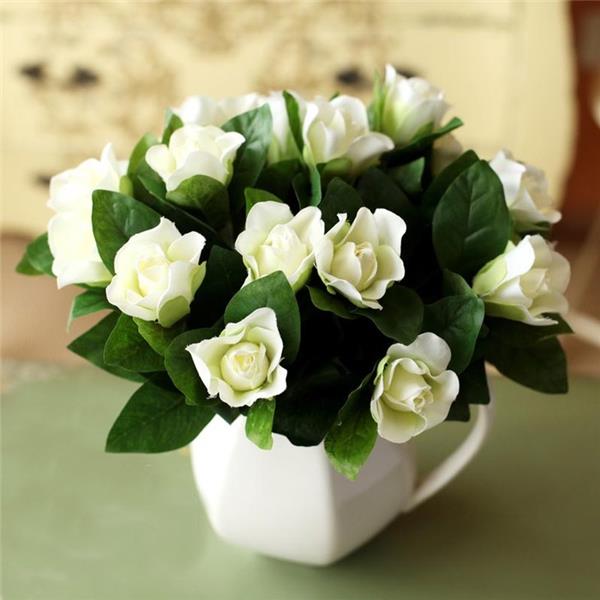
What are the benefits and effects of Gardenia jasminoides
1. Clearing heat and cooling blood! Good medicine tastes bitter, and Gardenia jasminoides is bitter and cold, but it is indeed good medicine. It can clear pathogenic heat and is the best auxiliary medicinal material for treating sores and swellings, intestinal wind and dysentery, reckless movement of hot blood and other conditions, and it can also be eaten.
2. Resolving phlegm and relieving cough! Gardenia jasminoides also has the effect of inhibiting bacterial growth, releasing phlegm and clearing the airway, and has the effect of resolving phlegm and relieving cough. It can be used as a dietary remedy for those with cough caused by accumulation of hot phlegm.
3. Relaxing the intestines and relieving constipation, preventing cancer! Gardenia jasminoides contains cellulose, which can promote large intestine peristalsis, help with bowel movements, and prevent the onset of hemorrhoids and the occurrence of rectal tumors.
Effects of Gardenia jasminoides
Whenever used to stop bleeding, the root must be crushed and placed in a pot, stir-fried over high heat until scorched and charred in color, taken out, left to cool, and then it can be used, called scorched root. High fever from cold, icteric hepatitis, dysentery, red swollen and painful eyes, high blood pressure, rotting sores, bronchitis, hoarse voice, cough due to lung heat, stomachache, nosebleeds, red swollen boils.
The above is a related introduction to the benefits and effects of Gardenia jasminoides. We hope it helps you understand Gardenia jasminoides.