How to Grow a Painted Lady Plant and Pictures
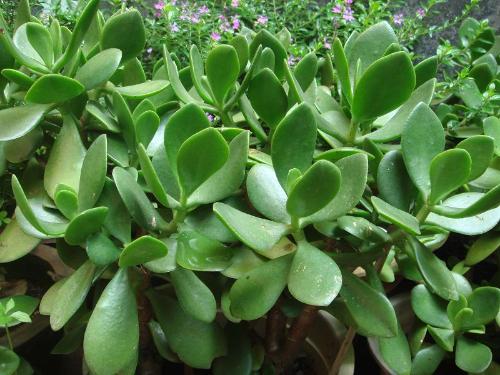
When it comes to the "Painted Lady," you may already be familiar with it. Its scientific name is Portulacaria afra, commonly known as the elephant bush, and it is a petite shrub variety. Its thick leaves give it a novel appearance, and because it stays green all year round and is easy to keep alive, it has become the top choice for many households looking to grow an ornamental plant. Looking at these delightful, lovely Painted Lady plants in the pictures, you will surely be tempted to grow one too and add a touch of fresh green to your beloved home. Below, we will walk you through the Painted Lady growing method step by step. As long as you master the care techniques involved, Portulacaria afra really will become the legendary "die-hard" plant that cannot be killed by sun or rough treatment.
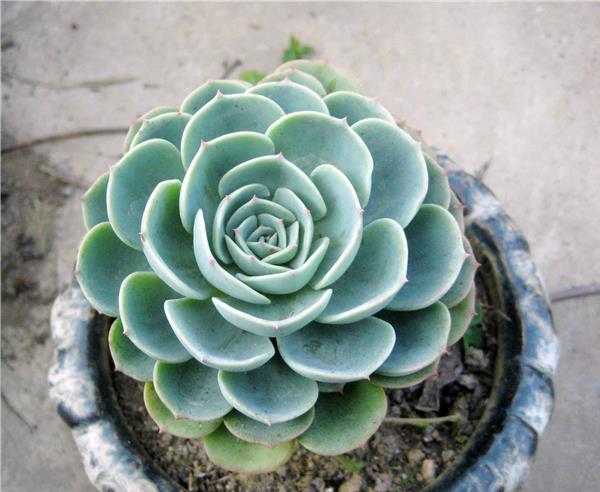
The Painted Lady is native to South Africa, and it is an evergreen bonsai shrub. It is fairly drought-tolerant by nature but not cold-tolerant, and it very much loves a warm environment with plenty of sunlight, while it can also survive in a semi-shaded environment. In winter, the survival temperature and environment must not fall below 6°C, and it can survive in sandy soil.
1. Propagation
The Painted Lady is mostly propagated by cuttings. Generally, take thick, plump branches, preferably 8-10 cm long, cut them off, let them dry in a ventilated place, then insert them into potting soil and water them appropriately; they will take root in about 3 weeks. This cutting method mostly uses the top branches, but there is another cutting method that can use a single leaf: insert it into a sand bed, and it will root in about 4 weeks; once the roots grow to about 2 cm, it can be taken out and potted for management.
2. Repotting
When repotting a Painted Lady bonsai, you need to keep some of the old soil and then add some fresh soil. When fertilizing, you do not need much. During the growing season, watering about 2 times a week is enough; do not water too much. However, in a hot and humid environment, the number of waterings needs to be greater; just spray a little water mist on the branches and leaves to keep the growing environment moist.
3. Pruning
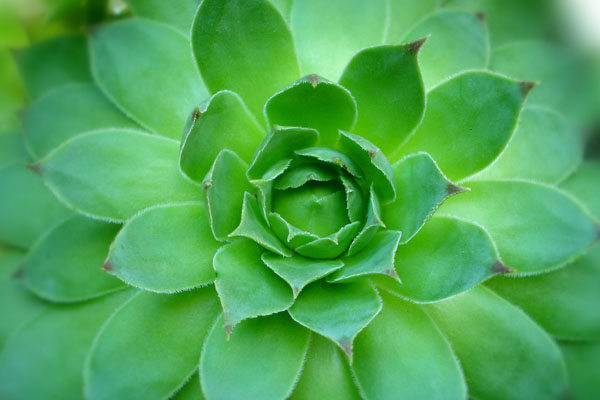
To ensure the Painted Lady plant grows lushly, the branches and leaves generally need to be pruned. When pruning, you should maintain its original shape and cut away old and yellow leaves, leaving fresh branches and leaves. At the same time, do not prune too much at once, so as to prevent the plant from being harmed.
4. Water and Fertilizer Management
The principle of moderate watering for the Painted Lady must be strictly followed. In summer, when the climate is dry and the temperature is too high, more water should be given, but it should not be poured directly into the soil, as this will cause root rot. The soil should only be watered when it looks dry, but you can spray the leaves to supplement moisture. In winter, watering should be restrained; watering once every half month is enough, which is one-half of the summer watering amount. Fertilize more in summer, and reduce the frequency of fertilization in winter.
5. Pests and Diseases
When we carry out the prevention and control of fungal and pest problems, the pesticide solution should not be too concentrated. Generally speaking, the disease the Painted Lady is prone to is leaf spot, so we usually use thiophanate-methyl at a ratio of 1:1000.
On the decoration website, we will gather more information about small household plants to help you make your beloved home beautiful.