What flowers are good to grow at home? Recommended flowers and plants suitable for home growing
What flowers are good to grow at home? Placing a few pots of flowers in the home not only beautifies the environment, but also suppresses harmful substances and helps purify indoor air. So what flowers are good to grow at home? Next, the editor will briefly introduce the secrets of growing flowers at home.

What flowers are good to grow at home? Experts point out that floral fragrance can treat illness and support health, but it can also cause illness and harm the body. When the scent of flowers in the air is too strong, the oxygen content is relatively reduced, which instead stimulates people to hyperventilate, lowers the oxygen content in the blood, and can cause symptoms such as headache, dizziness and nausea. Some people with allergic constitutions, when stimulated by certain pollens, may develop allergic asthma or allergic rhinitis. For example, orchids can help relieve heat cough, but may also have a labor-inducing effect; smelling orchid fragrance too much makes people overly excited and causes a sensation of dizziness. Lily fragrance makes people excited, but after too long, it can cause dizziness and may also make people sleepless.
Plants that can kill germs
The volatile oils produced by fragrant flowers such as rose, sweet osmanthus, stock, jasmine, lemon, rose, China pink, lily of the valley and crape myrtle have a significant sterilizing effect.
Plants such as crape myrtle, jasmine and lemon can kill native bacteria such as diphtheria bacteria and dysentery bacteria within 5 minutes. The fragrances released by plants such as rose, China pink, lily of the valley, stock, rose and sweet osmanthus have a clear inhibitory effect on the growth and reproduction of Mycobacterium tuberculosis, pneumococcus and Staphylococcus.
Succulent plants native to tropical arid regions, such as cactus, have stomata on their fleshy stems that close during the day and open at night. While absorbing carbon dioxide, they produce oxygen, increasing the concentration of negative ions in indoor air.
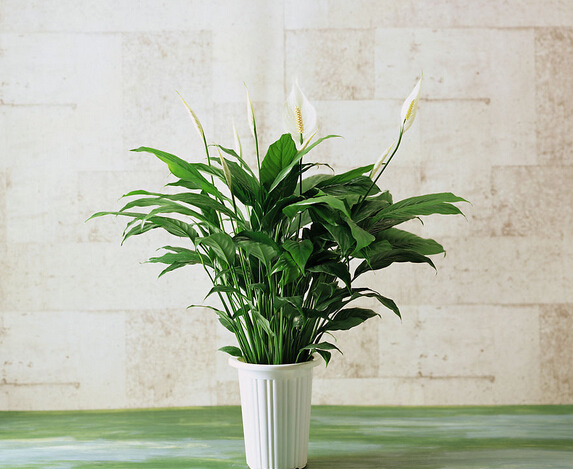
Plants such as snake plant, sansevieria, agave, as well as Opuntia rufida, kalanchoe, sedum, Bryophyllum pinnatum and cultivated bromeliads can also purify the air at night.
Planting climbing plants such as Boston ivy, grape, morning glory, wisteria and rose around the home, letting them climb along walls or trellises to form a green shade canopy, can effectively reduce solar radiation and greatly lower indoor temperature.
Plants such as clove, jasmine, rose, stock and mint can help people relax, feel mentally pleasant, aid sleep and also improve work efficiency.
Flowers should mainly play a role in beautifying the environment. Those that offer both visual enjoyment and air purification are good flowers. In fact, different places should have different flowers placed in them. Some flowers are still not suitable for indoors, otherwise they will cause air pollution.

The aromatic effects of common flowers
Rose fragrance: relaxes nerves, relieves physical and mental fatigue, and helps treat nervous system diseases.
Tulip: can relieve eye fatigue and eliminate irritability.
Orchid fragrance: relieves lung heat and phlegm cough, and is beneficial for people with neurasthenia, but it must not be too strong, otherwise it will also cause a sensation of dizziness.
Michelia alba fragrance: can sterilize and purify the air.
Chrysanthemum fragrance: can clear heat and dispel wind, clear the liver and brighten the eyes, and can be used as an auxiliary treatment for headache.
Clove: has an obvious ability to purify air, and its sterilizing ability is very strong. Placing clove indoors can prevent infectious diseases to a certain extent, but its fragrance is rich, so it should not be smelled too much, otherwise it will cause dizziness.
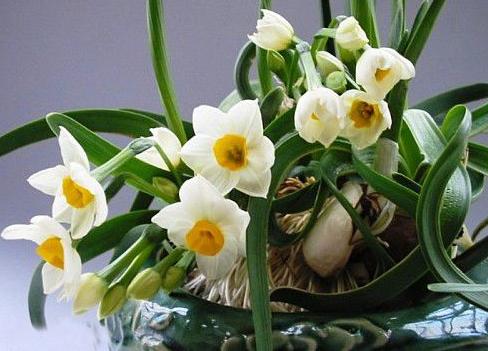
Narcissus fragrance: can make people feel calm and warm.
Some flowers also have disease-preventing and therapeutic effects themselves. For example, chrysanthemum and wintersweet have the ability to absorb sulfur and hydrogen fluoride; the volatile oils secreted by thyme and clove have the effect of killing germs; jasmine, Aglaia odorata, sweet osmanthus, crape myrtle, Chinese rose and rose can release volatile oils with sterilizing effects; Canna and honeysuckle have a strong ability to absorb fluorine, and so on.
What flowers are good to grow at home? When growing flowers at home, you should choose flowers that can absorb toxic gases, purify the air or sterilize. The above is the editor's view on what flowers are good to grow at home and related aspects. I hope it can help you.