How to grow potted roses? A few practical care methods to teach you
The rose belongs to the Rosaceae family; it has ornamental value and can also be used as medicine. Roses are not only rather beautiful in appearance, but also bloom in all four seasons, with many flower colors, varied shades, and fragrance, and are widely used in horticultural cultivation and cut flowers. So do you know how to grow potted roses well?
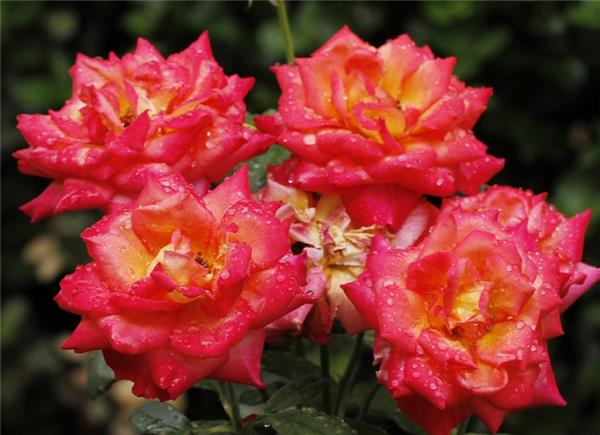
How to grow potted roses well
1. Pot
This refers to choosing pots and repotting. For potting, fired clay pots are best, and the pot diameter should match the size of the plant. When using pots, old pots must be washed clean, and new pots should be soaked first before use. When the plant keeps growing until the roots have filled the original pot, it should be repotted into a larger pot during the dormant period to replace the original pot, so as to meet the needs of continued root development. After rooted small seedlings grow larger, they should also be moved from small pots into large pots, preferably repotting once a year.
2. Soil
The growing soil needed for potting is made with 50% garden soil, mixed with 30% decomposed garbage soil and 10%-20% coarse chaff ash. For every 500 grams of soil, add 10-15 kg of decomposed compost or cake fertilizer. When repotting, also replace with fresh growing soil.
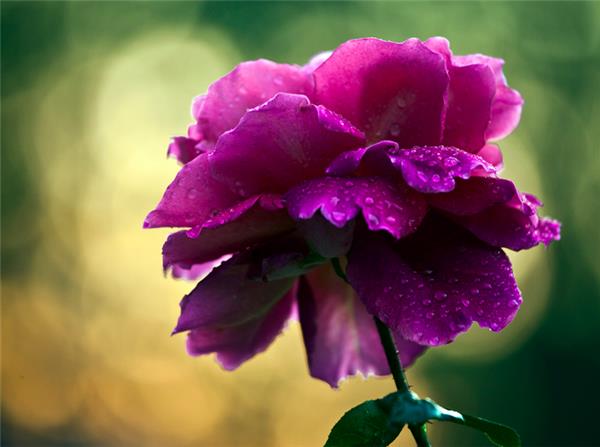
3. Water
This means watering. Water is the lifeline of plant growth; too much or too little will affect growth. In particular, watering potted roses must be properly adjusted according to need, and the amount of watering should be controlled according to seasonal changes and the plant's water consumption during growth. In spring, when temperatures are low and the plant has just grown leaves, the water requirement is small, so watering once every 3-5 days is enough. In hot summer, water 1-2 times a day (except on rainy days), watering thoroughly. Especially during the bud-setting and flowering periods, the water supply must not be lacking; after flowering, during dormancy, the amount of water should be reduced, and in the rainy season there should be no water accumulation.
4. Fertilizer
Roses like fertilizer. This flower grows fast and blooms a lot, and also consumes many nutrients, so fertilizing is an important part of growing roses well. Potted plants must be given sufficient base fertilizer. Under normal circumstances, apply a light fertilizer once every 7-10 days, so that the leaves remain dark green and glossy. Before flower buds appear, a thicker liquid fertilizer such as sauce residue water can be applied to meet the needs of flowering. For ordinary fertilization, the principle of small amounts and frequent applications should be mastered. Whether to continue topdressing in midsummer depends on the plant's growth condition; if growth is vigorous, topdressing can continue; if growth is weak, the flowers are thin and small, and the plant is in a semi-dormant state, fertilization should be stopped.
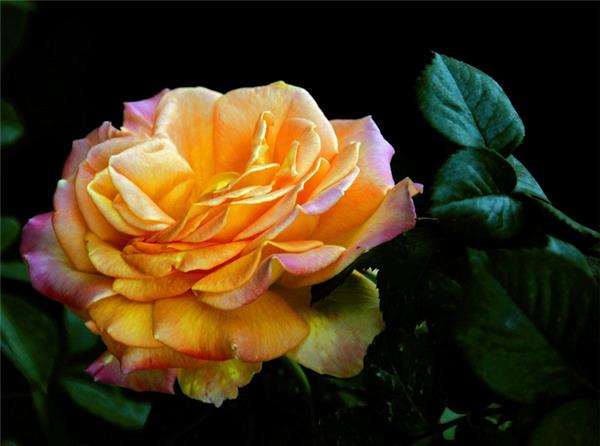
5. Light
Although roses like sunlight, in hot summer you should try to block direct strong light, and it is best to place them in shade around noon, while allowing morning and evening sunlight. After repotting, place them in a cool place, avoid direct sunlight, and after one week move them to a ventilated, sunny place.
6. Pests and diseases
This refers to pests and diseases. In spring and autumn rainy seasons, the leaves are prone to black spot disease and powdery mildew. Once discovered, spray with a 1000-fold solution of 70% wettable thiophanate powder for control, or use cotton dipped in alcohol to wipe the front and back of the leaves and the leaf stalks for control. The main insect pests are aphids and red spider mites, both of which can be sprayed with 40% dimethoate emulsifiable concentrate diluted 1500 times with water.
Precautions
If the temperature difference is large, choose sun-warmed water when watering, to reduce the temperature difference between the potting soil and the water, and avoid overly cold water stimulating root development.
If you do not plan to harvest flower seeds, it is best to cut off the spent flowers before they set seed.
If excessive fertilization causes leaf burn, water immediately to rescue the plant.