What are the cultivation methods for large-flowered roses?
Large-flowered roses, also known as hybrid tea roses, have a robust and handsome growth habit, with large, full blooms, elegant flower posture, beautiful flower shape, rich fragrance, and a wide range of colors. Today we are going to share with you the cultivation methods for large-flowered roses.
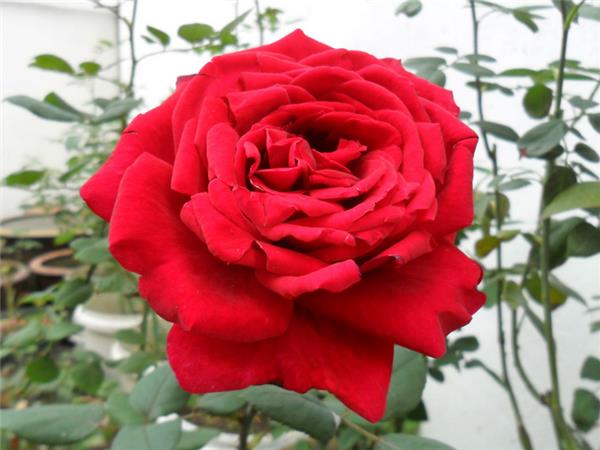
Cultivation methods for large-flowered roses
1. Seed selection: Varieties are required to be cold-resistant, highly stress-resistant, resistant to pests and diseases, vigorous in growth, with stiff flower stalks, abundant blooming, early flowering, large and brightly colored flowers, good flower shape, and a long individual bloom period, and to be welcomed by the market. Those varieties with tightly spaced leaves, a short and sturdy plant shape, and shorter, stiffer flower stalks are better and more suitable for pot cultivation. In addition, some new varieties should be introduced every year to replenish the population and eliminate poorer old varieties. For commercial cultivation, there is no need to have too many varieties; having a hundred mainstay varieties is sufficient, and other distinctive, rare varieties favored by veteran rose growers can be appropriately gathered.
2. Planting: The plant and row spacing for cultivating large-flowered roses varies according to the purpose of cultivation. Variety plots used for breeding or scientific research often adopt a plant and row spacing of 150 cm x 80 cm. Before planting, the seedlings need to be pruned once, cutting off damaged branches, diseased branches, and weak branches, and damaged or overly long roots should also be cut off. After pruning, apply a wound-healing antiseptic film to the wounds so that they heal quickly.
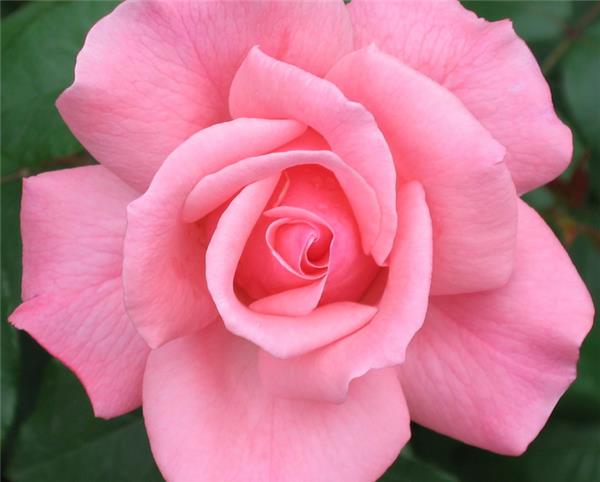
3. Environment: Large-flowered roses are light-loving plants. During cultivation, a sunny location should be chosen, avoiding planting beside tall buildings, under tree shade, or on the shady side of hillsides. The ideal soil for cultivating large-flowered roses should have good granular structure and be rich in organic matter.
4. Watering: After the Beginning of Spring, to prevent young leaves from wilting, you can poke the rim of the pot with your finger; when the sand surface is dry to the depth of a horizontal finger, it is time to water. Spray with a watering can and water thoroughly in two passes. It is best to keep a record after each watering, and also note the estimated date of the next watering. After several times, you can roughly identify the pattern. In short, do not water until it is dry, do not let the roots become waterlogged, and do not let the plant grow leggy.
5. Fertilizing: The fertilizer requirement is not large. Since base fertilizer was already applied when preparing the soil, there is no need to fertilize the soil again before transplanting the grown seedlings, but foliar fertilization should be carried out. That is, one month after cutting, apply foliar fertilizer once every half month, alternating between 0.3% urea liquid fertilizer and 0.2% potassium dihydrogen phosphate liquid fertilizer, to promote rooting.
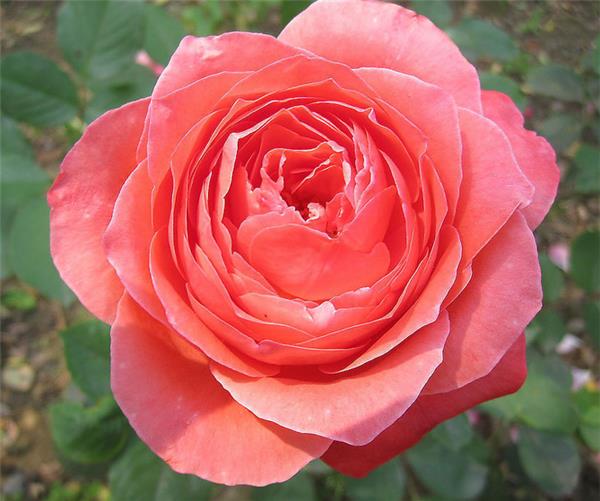
6. Temperature control: A plastic shed can regulate the temperature and humidity of the soil and air, and a shade net can prevent direct sunlight and lower the temperature. The optimal temperature for large-flowered roses to root is 20°C to 25°C. When the temperature is too high, in addition to covering with a shade net, you can also water to cool down and ventilate to cool down.
7. Overwintering: During the long overwintering period of more than 5 months, to ensure the small seedlings "sleep" steadily and comfortably, special care is required. After Cold Dew, before the cold wave arrives, move the small seedlings into a greenhouse and ensure they receive at least 4 hours of sunlight each day. After that, the management consists of watering and temperature control. The daytime temperature should be 3-4°C, and preferably not exceed 5°C, otherwise ventilate promptly to cool down; the lowest nighttime temperature should be -4°C.
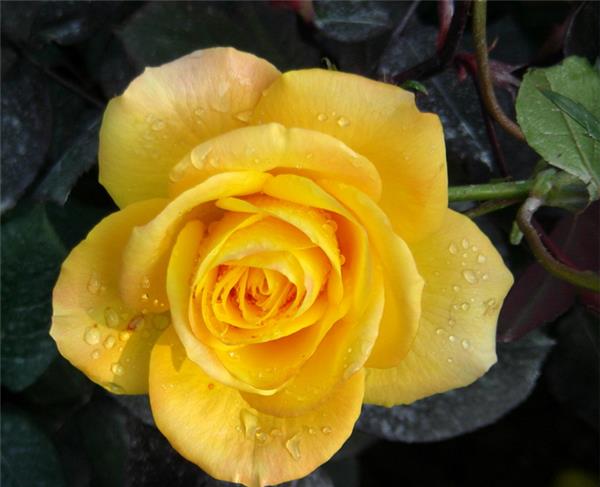
What links should be paid attention to when planting large-flowered roses?
1. Cultivation site
Large-flowered roses are light-loving plants. During cultivation, a sunny location should be chosen, avoiding planting beside tall buildings, under tree shade, or on the shady side of hillsides. The ideal soil for cultivating large-flowered roses should have good granular structure and be rich in organic matter.
2. Water and fertilizer management
Large-flowered roses like fertilizer, especially organic fertilizer such as barnyard manure and compost. Large-flowered roses have a long bloom period, and during their growth, chemical fertilizer should be applied as a top dressing for quick effect. In addition to maintaining sufficient water and fertilizer, spraying flower-strengthening agent during the bud stage can promote strong buds, plump petals, bright flower color, rich fragrance, and a longer bloom period.
3. Planting spacing
The plant and row spacing for cultivating large-flowered roses varies according to the purpose of cultivation. Variety plots used for breeding or scientific research often adopt a plant and row spacing of 150 cm x 80 cm. Before planting, the seedlings need to be pruned once, cutting off damaged branches, diseased branches, and weak branches, and damaged or overly long roots should also be cut off. After pruning, apply a wound-healing antiseptic film to the wounds so that they heal quickly.
The price of large-flowered roses is not expensive. It mainly depends on the height and crown width of the plant, and the price also changes according to how many are purchased. Generally speaking, for a height of 30-50 cm and a crown width of about 20-30 cm, the price is generally around 1-2 yuan per plant; for a height of about 60-100 cm and a crown width of about 40-70 cm, the price is generally between 4-8 yuan; of course, the more you buy, the cheaper it is.