What are the effects and functions of peony?
Peony is a flowering plant we are all familiar with, but did you know that peony also has medicinal value? Below we introduce in detail the effects and functions of peony.
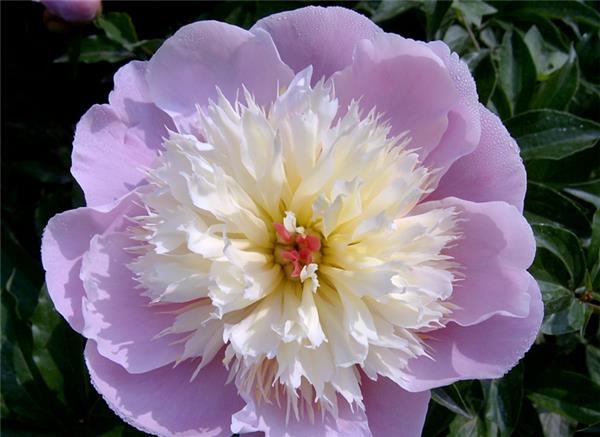
The effects and functions of peony
Peony is not only a famous flower, but its root can also be used medicinally. According to analysis, peony root contains paeoniflorin and benzoic acid, and its uses vary depending on the species. Baishao (white peony root) in traditional Chinese medicine mainly refers to the root of peony, and is an antispasmodic, analgesic and emmenagogue medicine. It is effective for conditions such as abdominal pain in women, gastric spasm, dizziness, gout and fluid retention. Generally, the root of cultivated peony is used as Baishao, because its root is thick, plump and straight, and the processed product is of good quality. Wild peony, because its root is thin and small, is sold only as Chishao (red peony root). Chishao in traditional Chinese medicine is the root of Herbaceous Peony, and has the effects of dispersing blood stasis, invigorating blood circulation, relieving pain and purging liver fire. It mainly treats irregular menstruation, abdominal pain due to phlegm stagnation, joint swelling and pain, chest pain, hypochondriac pain and other conditions.
The effects and functions of peony flowers
Peony flowers are bitter and sour in flavor and cool in nature, and contain astragalin, kaempferol, 3,7-diglucoside, tannins, pyrethrin, 1,3-methyltetradecanoic acid, beta-sitosterol, pentacosane and other components.
1. They have the effects of nourishing blood and soothing the liver, dispersing stagnation and removing blood stasis, and improving facial chloasma, rough skin and aging.
2. They have the effects of clearing heat and relieving summer heat, removing spots, clearing the heart and moistening the lungs, calming the liver and improving eyesight, and caring for the skin and preserving youthful appearance.
3. They have the effect of regulating female endocrine function, removing sallow complexion and pigmentation, and making the complexion radiant.
4. In addition, regularly drinking peony flower tea can also make people full of qi and blood, with a rosy complexion and full of energy, feeling energetic every day.
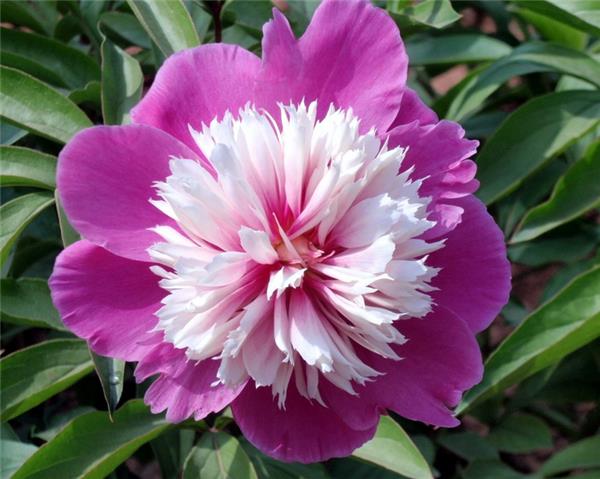
The effects and functions of peony root
Medicinal peony root is divided into Baishao and Chishao. It is generally believed that the root of wild peony directly dried is Chishao, while the root of cultivated peony peeled and boiled in water is Baishao.
1. The main chemical component of peony root is paeoniflorin. In addition, it also contains paeonol, benzoic acid, volatile oil, resin, tannins, sugars, starch, triterpenoids and other components.
2. Paeoniflorin has an inhibitory effect on the central nervous system, and has relatively good pharmacological effects such as relieving spasms, relieving pain, sedation, reducing fever, anti-convulsion, anti-inflammation, anti-ulcer, dilating the coronary arteries and hindlimb blood vessels, and lowering blood pressure.
3. Chishao is a heat-clearing and blood-cooling medicine. It is bitter in flavor and slightly cold in nature, and enters the liver meridian. It has the effects of clearing heat and cooling blood, dispersing blood stasis and relieving pain. It mainly treats heat entering the nutritive and blood levels, skin rashes, vomiting and epistaxis, traumatic injuries, amenorrhea and abdominal masses, carbuncles, swellings and sores, red eyes and eye obstruction, etc.
4. Baishao has the functions of nourishing blood and astringing yin, soothing the liver and relieving pain. It mainly treats liver blood deficiency, irregular menstruation, disharmony between the liver and spleen, pain in the chest, hypochondrium, epigastrium and abdomen, spasms and contractures of the limbs, hyperactivity of liver yang, headache and dizziness, etc.
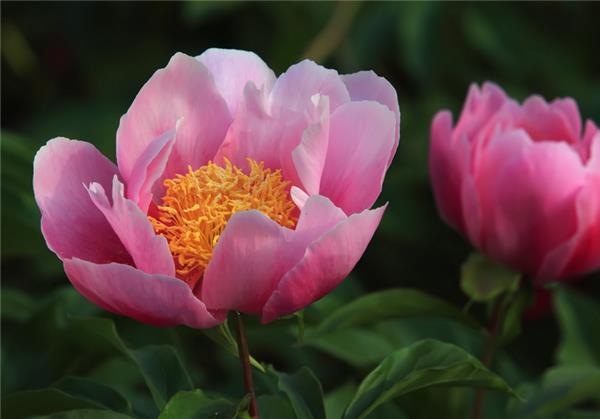
Suitable populations
1. People with blood deficiency and yin deficiency who have pain in the chest, abdomen, hypochondrium and ribs, liver area pain, or pain from cholecystitis and gallstones are suitable to consume it.
2. People with diarrhea and abdominal pain, or women with menstrual abdominal pain, are suitable to consume it.
3. People with spontaneous sweating, easy sweating or night sweats are suitable to consume it.
4. Patients with calf muscle spasms, limb contractures and pain, or restless legs syndrome are suitable to consume it.
5. Used together with licorice, it can relieve various pains in the chest, abdomen and limbs.
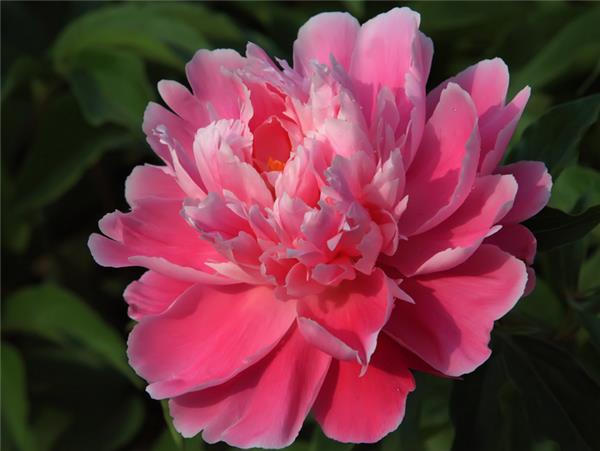
Contraindications for peony
1. Those with blood deficiency without blood stasis, or with already ulcerated carbuncles and abscesses, should take it with caution.
2. It is contraindicated during measles in children.
3. Those taking the Chinese herbal medicine Veratrum should avoid consuming it.