What are the effects and functions of peony flowers?
What are the effects and functions of peony flowers? Friends who want to know may as well take a look at the following article!
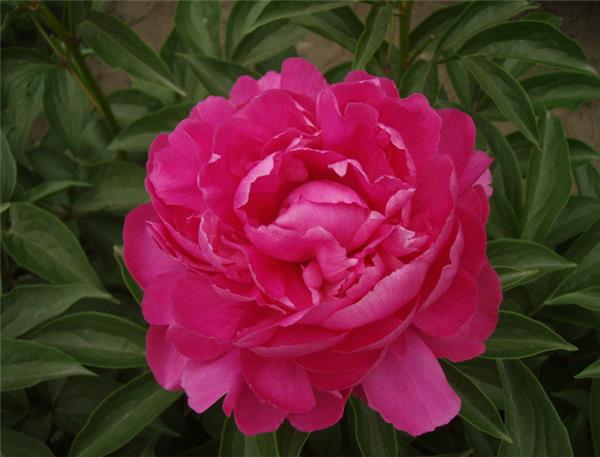
The effects and functions of peony flowers
Peony flowers nourish the blood and soften the liver, disperse stagnation and remove blood stasis, improve facial chloasma, rough and aging skin, clear heat, strengthen the five viscera, disperse stagnant blood, and regulate menstruation. They can treat freckles, chloasma, and acne caused by endocrine disorders. They promote metabolism, improve body immunity, inhibit acne on the face, and delay skin aging. They nourish the blood and soften the liver, making qi and blood abundant and the complexion rosy. They have functions such as clearing heat and relieving summer heat, removing spots, clearing the heart and moistening the lungs, calming the liver and improving eyesight, and caring for the skin and preserving youth. Regular drinking can make qi and blood abundant, the complexion rosy, and the spirit full. They can regulate women's endocrine system, remove sallow complexion and pigmentation, and make the complexion moist and lustrous.
Peony flowers are applied to nourish the blood and regulate menstruation and are often used for gynecological diseases. They can also be used for disharmony of liver qi, hypochondriac and epigastric pain, or contracture and pain of the limbs, and for upper hyperactivity of liver yang, headache, and dizziness.
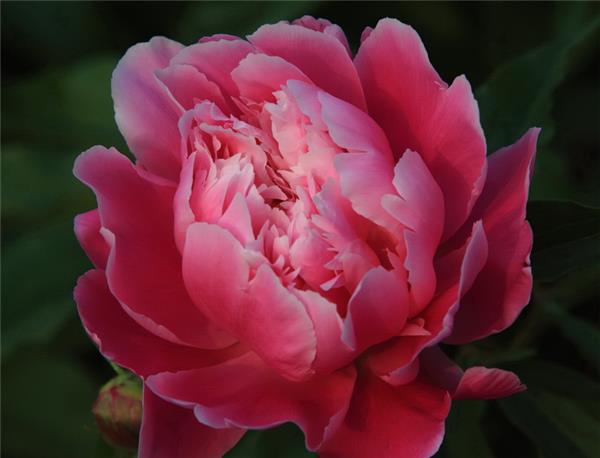
Peony is not only a famous flower, but its root can also be used as medicine. According to analysis, peony root contains paeoniflorin and benzoic acid, and its uses vary by species. White peony in traditional Chinese medicine mainly refers to the root of peony, and it is an antispasmodic, analgesic, and emmenagogue medicine. It is effective for women's abdominal pain, gastric spasm, dizziness, gout, and diuresis and other conditions. Generally, the roots of cultivated peony varieties are used to make white peony, because their roots are thick, plump, and straight, and the processed finished product is of good quality. Wild peony, because its root is thin and small, is only sold as red peony. Red peony in traditional Chinese medicine is the root of herbaceous peony, and it has the effects of dispersing stasis, activating blood, relieving pain, and purging liver fire. It mainly treats irregular menstruation, abdominal pain due to phlegm stagnation, joint swelling and pain, chest pain, rib pain, and other conditions.
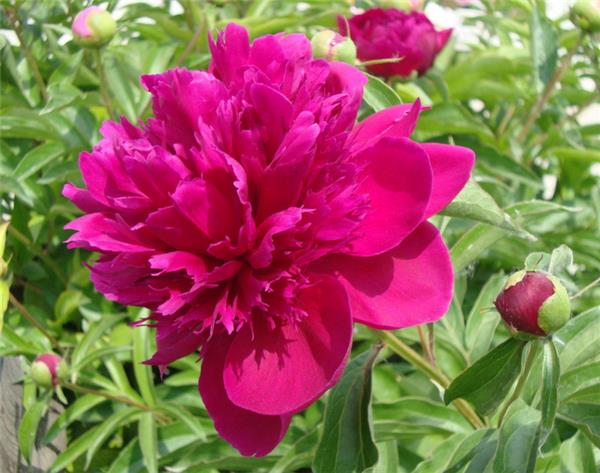
Below let us look at some common methods of using peony.
White peony with prepared rehmannia: tonifies both the liver and kidneys. For symptoms of deficiency of qi and blood, such as delayed development in young girls, delayed menstruation, and scanty and pale menstrual flow, use "Siwu Tang," taking peony and rehmannia as the main medicines. Commonly use 30 grams of prepared rehmannia (switch to charred prepared rehmannia for those with poor spleen and stomach function), and 12 grams of stir-fried white peony, to greatly tonify yin and blood and benefit the kidneys and generate essence.
White peony with angelica: tonifies blood and harmonizes the nutritive qi, while also calming the fetus. Clinically, for insufficiency of qi and blood and disharmony of qi and blood, the two medicines are often paired in equal amounts to nourish and tonify blood, harmonize blood and astringe the liver, so that nutritive blood is replenished. For restless fetus caused by insufficiency of qi and blood, we also often take 10 grams of angelica and pair it with 10 grams of white peony, and each time can achieve satisfactory results.
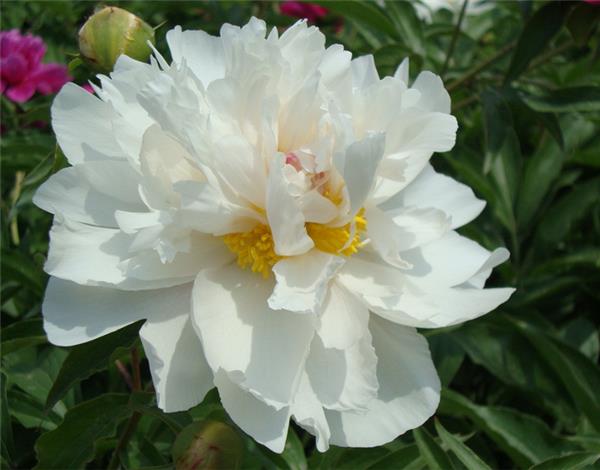
Peony with chuanxiong: preserves movement within stability, and blood flows smoothly and qi transforms. Chuanxiong is known as the qi of tonifying the liver. For those with exuberant qi, sour things must be used to astringe it. White peony is sour in taste and is known as the fluid for astringing the liver. Use 9 grams each of white peony and chuanxiong (both medicines slightly stir-fried). For disharmony of qi movement, uneven menstrual cycles, and unsmooth menstrual flow, they can invigorate qi transformation and regulate menstruation. If menstrual flow is heavy, use 12 grams of stir-fried white peony and 4.5 grams of stir-fried chuanxiong.
Peony with bupleurum: it benefits most from the ancient formula "Xiaoyao San." The ancients believed that women take blood as the foundation, and often have insufficient blood and excess qi. If emotions are unfulfilled, wood fails to be free and smooth, and the liver loses its gentleness, then liver qi runs transversely, and symptoms such as rib pain and alternating chills and fever are most commonly seen.