Detailed Explanation of Peony Planting Techniques and Management Methods
Peonies have brilliantly colored flowers, a jade-like charm and pearl-like fragrance, an elegant and unrestrained bearing, and a magnificent, splendid appearance, and have long enjoyed the reputation of "king of flowers." What I share with you below are peony planting techniques.
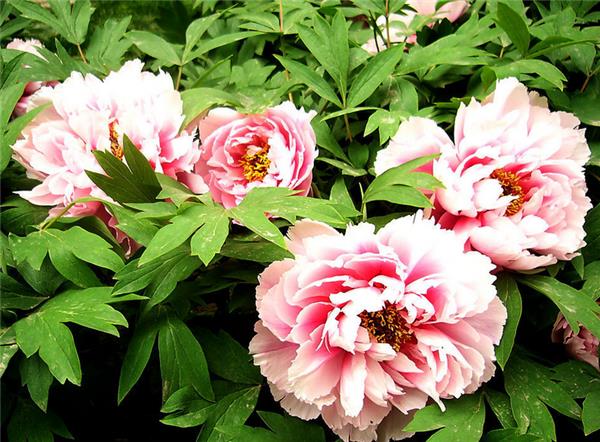
Peony Planting Techniques
For planting peonies, choose loose, fertile, well-drained sandy soil, and plant them in a spot sheltered from the wind, facing the sun, and not prone to waterlogging. Planting is generally done from late September to early October. The planting depth should be such that the junction of root and stem is level with the soil surface; the size of the planting hole should be just enough for the roots to spread out. Leave some fine soil in the hole and mound it into a small heap so the roots can sit firmly on the soil; straighten out the root system, then backfill with soil, firm it down, and water thoroughly two or three times. A plant-to-row spacing of 50X50 (cm) is appropriate.
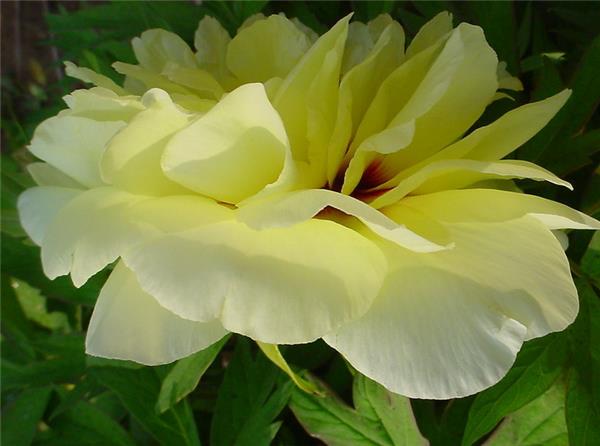
Seed propagation and division propagation are used.
(1) Seed propagation: the propagation coefficient is large, but the time to reach the seedling stage is long, and it cannot maintain the superior traits of the parent plant.
① Raising seedlings: Peony seeds can be treated with 1% gibberellin for 48 hours, or a low temperature of about 5°C can break the hypocotyl dormancy; after sowing, the seedlings emerge the following spring. For drilling, use a row spacing of 20 cm and a plant spacing of 6 cm, cover with about 3 cm of soil, and cover the seedbed surface with grass.
② Transplanting: Lift the seedlings after a full two years of sowing, and remove diseased, damaged, and weak plants; in particular, plants carrying root-knot nematodes must be resolutely removed. Select seedlings in two grades by size; each seedling is required to have 3 to 4 branch roots, and overly long roots should be appropriately cut short to the depth of the hole. Set them out at a plant-to-row spacing of 30 cm, with 1 to 2 plants per hole, and the roots must be spread out. Cover with soil to about 3 cm above the terminal bud.
③ Direct sowing: In production, seedling raising and transplanting are generally used; in recent years some places have switched to direct sowing, with the same plant-to-row spacing as for seedling raising and transplanting. The advantage of direct sowing is that the rhizome is long and straight, so a relatively good yield can also be obtained.
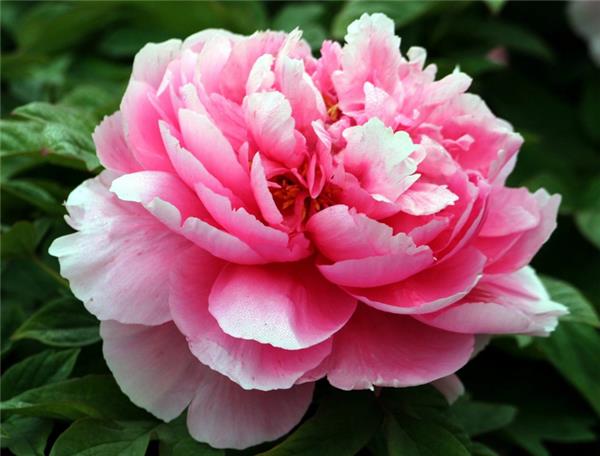
(2) Division propagation: Select robust mother plants four to five years old, dig up the whole plant at harvest time, cut off the large and medium roots for medicinal use, and cut the parts that divide easily into 2 to 4 plants; they can be transplanted from September to November, and earlier planting is better. Before planting, plow the soil 60 cm deep, apply 90,000 kg of base fertilizer per hectare, open furrows and divide into beds, with a plant-to-row spacing of 25 cm x 35 cm, plant 1 plant obliquely per hole, and cover with 3 to 4 cm of soil.
(3) Grafting: This method can maintain the superior traits of the mother plant, but the propagation coefficient is small. In autumn, select 5- to 6-year-old rootstocks, 15 cm long and 2 to 3 cm in diameter, dig out the rootstocks and place them in a cool place for 2 to 3 days, and use them after they become soft. For the scion, take current-year branches that are plump, smooth, and short-jointed, with 1 to 2 plump, full buds. After the cambium of the rootstock and scion are closely joined, bind them with hemp fiber or similar material.
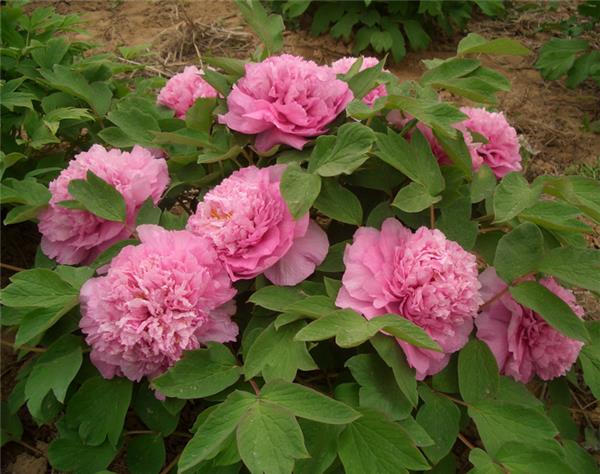
Management
(1) Cultivation and weeding: After the beginning of spring, cultivate several times along with weeding to prevent root damage; in winter, earth up the soil, which is beneficial to root growth.
(2) Fertilization: When transplanting, apply sufficient stable manure or farmyard manure; autumn fertilization is especially important. Generally, apply 6,000 kg of human manure fertilizer and 1,500 kg of rapeseed cake fertilizer per hectare; when fertilizing, prevent soiling and damaging the leaves.
(3) Flower removal: Every spring, remove the flower buds as soon as they appear. Exceptions are made for those with special uses such as seed production and flower sales.
(4) Shaping and pruning: This includes establishing the trunk, removing soil buds, and bud removal.
Notes: Peonies are cold-tolerant and not tolerant of high temperatures. In East China and the central region, they can overwinter in the open field; when the temperature reaches 4°C, the flower buds begin to gradually swell. Suitable temperature: 16~20°C; below 16°C they do not bloom. During high summer temperatures, the plants enter a semi-dormant state.