What are the benefits and side effects of peony flower tea?
When it comes to the benefits of peony flower tea, the most notable is its skin-beautifying and revitalizing effect. Peony flowers contain astragalin; besides being ornamental, they can also be used as medicine to regulate menstruation and invigorate blood circulation. So what other amazing benefits does peony flower tea have? And does it have any side effects?
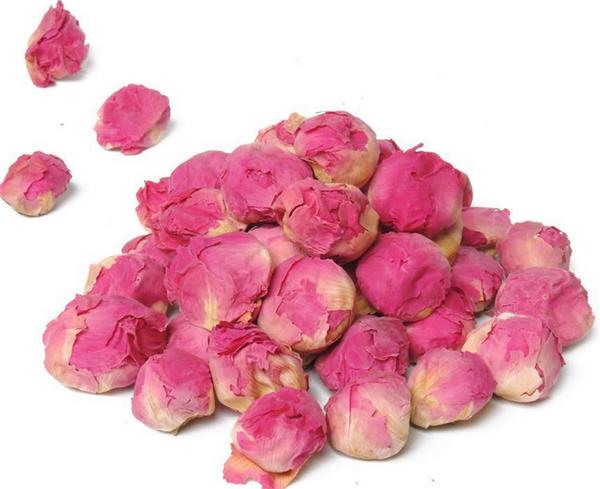
The benefits of peony flower tea
1. Li Shizhen pointed out: for medicinal use, only single-petaled peonies in red and white should be picked; all other varieties are artificially cultivated and "their qi and flavor are impure, so they cannot be used." Red flowers tend toward draining, while white flowers tend toward tonifying. Drinking peony flower tea can make one's qi and blood abundant, complexion rosy, and spirit full.
2. The peony prefers a cool climate, fears intense heat, and likes dryness while avoiding dampness. It has the benefits of nourishing blood and harmonizing the liver, dispersing stagnation and removing blood stasis, and is suitable for facial chloasma and skin aging; regular drinking can make one's qi and blood abundant, complexion rosy, and spirit full.
3. Peony flower tea can relieve physiological pain and lower blood pressure, and helps improve anemia and beautify the skin. It can relieve pain, stop cough, stop diarrhea, promote blood circulation, and prevent high blood pressure, and so on. Benefits include beautifying the skin, lowering blood pressure, tonifying the liver, reducing menstrual pain, smoothing blood flow, and alleviating anemia in women.
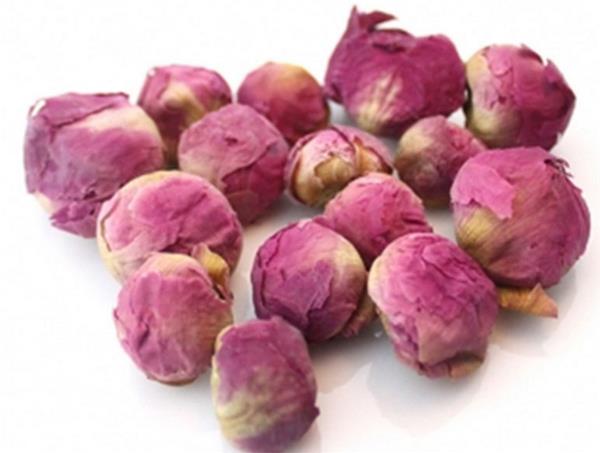
The side effects of peony flower tea
1. In fact, so far there is no medical proof that drinking peony flower tea has side effects. However, experts suggest that peony flower tea should not be drunk in too large a quantity or in excess at one time, because the disulfide lipids on the surface of peony petals can easily cause allergic reactions in 0.02% of susceptible people, and severe cases can be fatal.
2. Some women's health experts suggest drinking more rose tea, motherwort tea, and the like. Roses do indeed have the benefits of moving qi and relieving depression, harmonizing blood, relieving pain, and soothing emotions, and are very suitable for women, but women with severe qi deficiency should still use them with caution and drink less, to prevent worsening the symptoms of qi deficiency; motherwort has the benefits of invigorating blood and removing stasis, and clearing heat and detoxifying, and is more suitable for women with irregular menstruation, amenorrhea, or abdominal pain, while those with yin deficiency and little blood should avoid taking it, because the blood-invigorating effect of motherwort can lead to blood deficiency and damage yin.
3. Many women also like to casually steep a few slices of lemon to make lemon water, thereby supplementing vitamin C and making their skin fairer. Lemon water is rich in vitamin C and has antibacterial and immunity-boosting effects, but because it is acidic, it should not be drunk on an empty stomach. Drinking too much can also damage the gastric mucosa and is not good for the teeth.
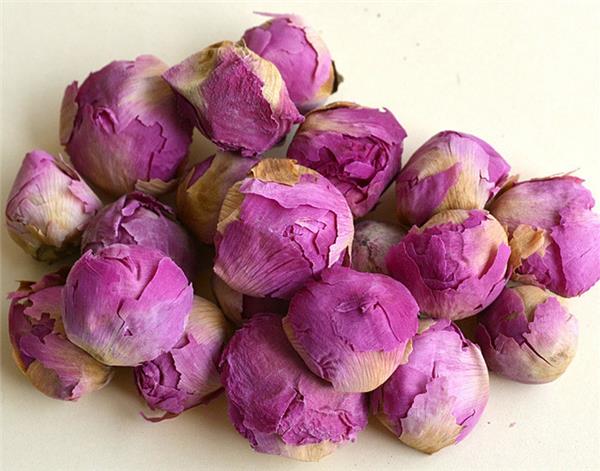
The drinking contraindications of peony flower tea
The pairing of herbal teas can be chosen based on the mutual generation and restraint among nature, flavor, and effects. In terms of nature and flavor, most of the flowers and herbs used as food are warm, cold, or neutral in nature. The peony is slightly cold in nature, pungent in flavor, non-toxic, and enters the three meridians of the heart, liver, and kidney. It is suitable for brewing alone, and is also suitable for pairing with green tea. When drinking peony flower tea, the following contraindications should be noted:
Peony flower tea is suitable for people with irregular menstruation, blood deficiency, or anemia. But for pregnant women and women during their menstrual period, it should be taken with caution, and it is best not to take it. Because peony flower tea is cold in nature and has a certain blood-invigorating function, it is not recommended for people with spleen deficiency or weak constitution.
When pairing various flowers and herbs, it is best not to combine warm-natured flowers and herbs with cold-natured flowers and herbs. In terms of effects, for example, if a more refreshing herbal tea is brewed together with lavender, the effect will be weakened; another example is that cassia seed has a certain laxative effect, and if it is paired with lotus plumule, because of the astringent effect of lotus plumule, the laxative effect of cassia seed will be weakened.
That is all for today's introduction to knowledge about the benefits and side effects of peony flower tea. I hope the above content can be helpful to everyone!