How to grow mosquito repellent grass? Detailed cultivation methods are here
How to grow mosquito repellent grass? Summer is here. Apart from the heat being unbearable, mosquitoes drive everyone crazy, so everyone is looking for surefire ways to repel them. Mosquito repellent grass is a good choice, safe and reliable. Let us now learn about the cultivation methods for mosquito repellent grass.
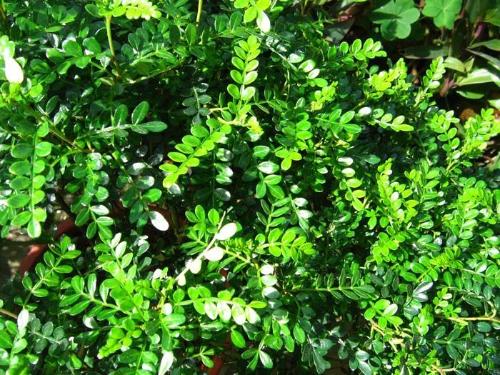
What is mosquito repellent grass
Mosquito repellent grass is also called mosquito repellent scented grass or transgenic scented geranium, and mainly refers to transgenic scented geranium (Pelargonium). Using transgenic technology, the mosquito-repellent gene, the citronellal gene structure, is implanted into the "scented herb", and its own unique release system is used as a carrier to release citronellal into the air. At the same time, a DNA gene structure containing a fresh scent and an air-purifying effect is implanted to form a "natural evaporator" that is full of fragrance and achieves the mosquito-repellent effect.
Mosquito repellent grass is a perennial herbaceous plant; it survives at temperatures above -3°C; it can be cultivated indoors and outdoors. Generally, the higher the temperature, the stronger the fragrance and the better the mosquito-repellent effect, so summer is its peak mosquito-repellent period. Seedlings develop very quickly and can grow to maturity in half a year. After two years, the main branches gradually become woody, and it can also be shaped into a bonsai, with good ornamental value and mosquito-repellent effect.
Mosquito repellent grass has strong adaptability and is a perennial herbaceous plant that can be cultivated indoors and outdoors. It gives off a rich lemon fragrance all year round and has the effect of repelling mosquitoes and purifying the air. It truly achieves biological natural mosquito repellence without spraying chemicals or using smoke, with no side effects whatsoever.
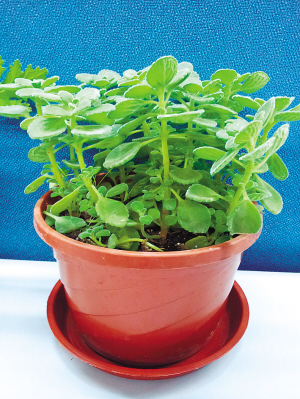
How to grow mosquito repellent grass
Mosquito repellent scented grass prefers organic fertilizer and loose, moist soil, and dislikes sticky soil. Mosquito repellent scented grass has a well-developed root system, so a larger flower pot should be used when planting to retain more moisture and more organic matter capacity. Mosquito repellent scented grass requires a certain soil acidity. pH 5.5-6.5 is its optimal growth range, so soil alkalinization should be prevented.
Mosquito repellent scented grass should avoid foliar fertilization, so as not to affect the release of the mosquito-repellent substance citronellal or cause fertilizer burn.
Mosquito repellent scented grass has strong adaptability to temperature and can survive at 0-35°C. It can grow at 10-30°C, with 15-25°C being its optimal growth temperature. When the temperature reaches 35°C, it enters a semi-dormant period. Therefore, when caring for mosquito repellent scented grass, avoid low-temperature storage and excessively high room temperature.
Mosquito repellent scented grass likes ventilation. When not in use during the day, it is best to place it on a well-ventilated windowsill or balcony. Good ventilation can reduce the occurrence of diseases and prevent rot.
Mosquito repellent scented grass likes light. It is best to receive 1-2 hours of direct sunlight every day, but it must not be exposed to intense sunlight. In summer, place it in a shady spot. Mosquito repellent scented grass is relatively tolerant of dry air and afraid of excessively humid air. A high-humidity environment easily causes diseases and also easily causes mosquito repellent scented grass to enter dormancy and stop growing.
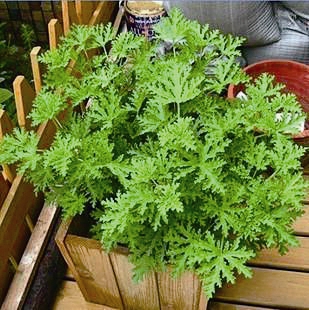
How to grow mosquito repellent grass