How to grow Cape jasmine? Master these care essentials
Cape jasmine is actually what we know as gardenia; in some local dialects it is called zhizhihua. Its flowers are pure white and beautiful, and many people love it, so how do you grow Cape jasmine? Let's take a look.
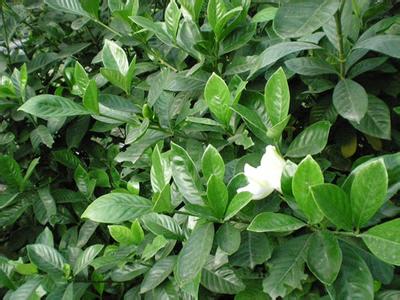
Cape jasmine care: soil
Gardenia is a typical acid-loving flower. Many gardeners in the north have alkaline local soil and water, so extra care is needed when growing it. It is best not to use garden soil; you can mix your own soil with 40% garden soil, 15% coarse sand, 30% manure soil, and 15% leaf mold, or use a specialized nutrient soil.
Cape jasmine care: watering
Cape jasmine is a typical acid-loving flower, so watering it directly with tap water does nothing to improve the soil's pH. You can water with rainwater or fermented rice-washing water; if using tap water, let it sit for 2 to 3 days before use. During the growing season, water once every 7 to 10 days with water containing 0.2% ferrous sulfate (black alum) or apply alum fertilizer water once (the two can be alternated), which both prevents the soil from becoming alkaline and replenishes iron in the soil. This not only prevents leaves from turning yellow, but also makes the leaves glossy green and the flowers larger.
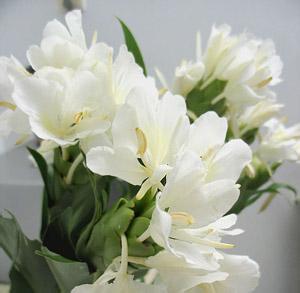
Cape jasmine care: environment
Gardenia likes cool shade and moisture (moisture here does not mean watering frantically; on the contrary, gardenia fears waterlogging). A detailed explanation of liking cool shade: gardenia must never be exposed to scorching sun, but some people mistakenly think gardenia requires full shade, which leads to mistakes in cultivation. In fact, while providing a cool, shady environment, it should receive 60% light all day to meet its growth needs. Liking moisture: if air humidity is below 70%, it will directly affect flower bud differentiation and the development of flower buds, but too much moisture will cause root rot, withered branches, and yellowing and falling leaves. In addition to normal watering, frequently spray the leaf surfaces and nearby ground with clean water to appropriately increase air humidity.
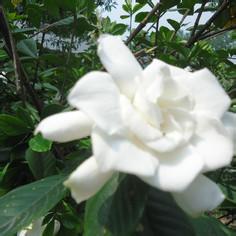
Cape jasmine care: fertilizing
Gardenia is best fertilized with decomposed soybean cake, sesame paste residue, peanut bran, and similar fertilizers; after fermentation and decomposition they can be acidic, but you must apply thin fertilizer frequently, and never use concentrated or raw fertilizer. Do not fertilize during the winter dormancy period. For plants grown less than three years, never apply human feces and urine. Applying too much nitrogen fertilizer will cause thick branches, large leaves, and deep green color, but no flowers. A deficiency of phosphorus and potassium fertilizer will also cause failure to bloom or withering and dropping of flower buds.
After reading the key points on Cape jasmine care introduced above, you should have learned how to do it. Get started right away, and may you grow pure white, beautiful Cape jasmine.