Can Chaenomeles cathayensis fruit be eaten? Here comes the detailed answer
Chaenomeles cathayensis is a rather good plant, not only with strong ornamental value, but its economic value should not be underestimated either. The seeds, flowers, fruits, and trunk of Chaenomeles cathayensis all have good uses, but can Chaenomeles cathayensis fruit be eaten?
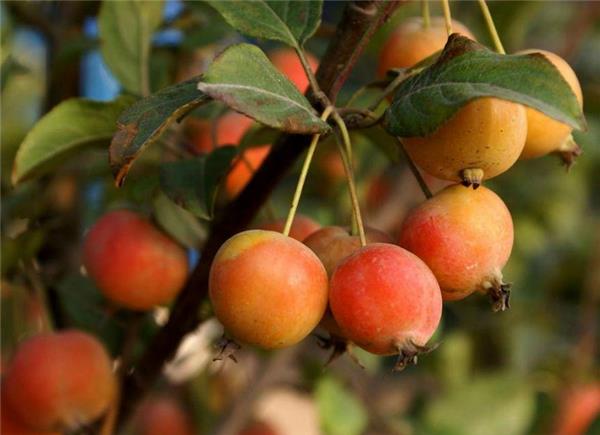
Can Chaenomeles cathayensis fruit be eaten
Chaenomeles cathayensis fruit can be eaten. It is non-toxic. I have eaten it too; it is very sour, and its shape is like a large green hawthorn. The skin is smooth, with no greasy feel. The skin is pale greenish-blue, similar in color to loofah, and like loofah it has fibrous strands and a crisp texture. Below is an introduction to the benefits of Chaenomeles cathayensis fruit:
1. Promoting salivation and quenching thirst: Chaenomeles contains sugars, multiple vitamins, and organic acids, which can help replenish the intracellular fluid of the human body, thereby having the effect of promoting salivation and quenching thirst;
2. Strengthening the spleen and stimulating appetite: The fruit of Chaenomeles is relatively rich in vitamins, organic acids, and protein, and can help the stomach and intestines digest food and drink, so it can be used to treat indigestion, food accumulation, and abdominal bloating;
3. Astringing the intestines and stopping diarrhea: Chaenomeles is sweet with a slight sour taste; sweet can moderate the middle, and sour can astringe, so it has the functions of astringing and stopping diarrhea, harmonizing the middle, and stopping dysentery, and can treat conditions such as diarrhea, dysentery, and loose stools;
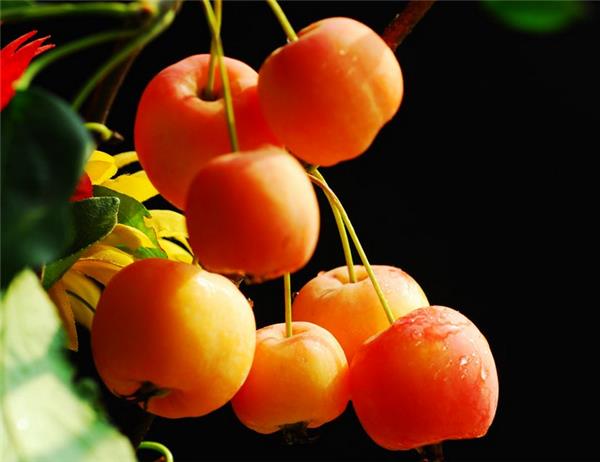
4. Supplementing nutrition: Chaenomeles contains a large amount of nutrients essential to the human body, such as sugars, multiple vitamins, organic acids, etc., which can supply the human body with nutrients and improve the body's immunity.
Chaenomeles cathayensis blooms in April, and the fruiting period is September-October. The seed kernel has an oil content of 35.99%, an oil yield of 30%, and no off-odor; it is edible and can also be made into soap. The fruit is steamed or boiled and made into candied fruit; it can also be used medicinally, with the effects of dispelling wind, regulating qi, relaxing the sinews, and relieving pain, and can also relieve drunkenness and remove phlegm, and when braised as food it stops diarrhea. The flowers can be used as an ingredient for sugar-made jam, and the flavor is very beautiful. The bark contains tannins and can be used to extract tannin extract. The wood is hard and can be used for bed posts. In addition, this species is also a very good material for courtyard greening.
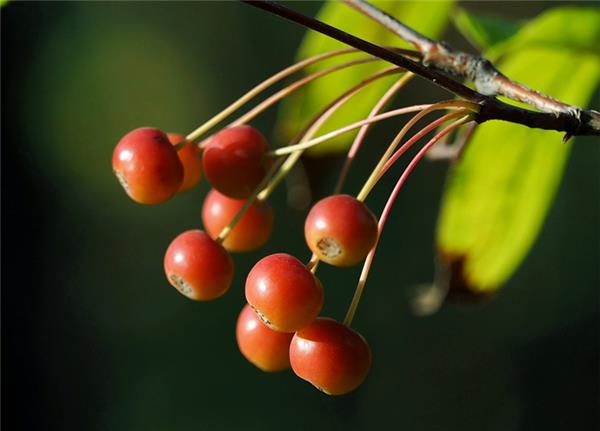
If you want to grow Chaenomeles cathayensis well, pest and disease control is indispensable. Let's take a look at the relevant knowledge below!
(1) Aphids. More than 10 generations occur per year.
Control methods: A: In late April and early May, before the first-generation aphids curl the leaves, spray pirimicarb, imidacloprid, and deltamethrin. B: In early to mid-May, remove the old bark on the trunk, apply a 6cm wide imidacloprid pesticide ring, and wrap it with plastic cloth after application. C: Prune off damaged branches and burn them in a centralized manner.
(2) Fruit borers. They mainly harm Chaenomeles fruits and reduce commercial value. There are two kinds of fruit borers: the peach fruit moth and the pear fruit moth.
Control methods: A: From June to July, spray cyhalothrin, fenvalerate, and fenpropathrin. B: From May to June, spray phoxim over the entire orchard floor to seal the ground and prevent adult insects from emerging from the soil.
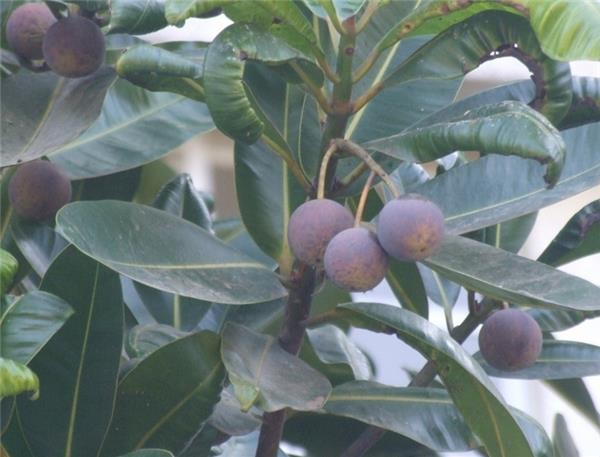
(3) Trunk-boring pests. There are two kinds of trunk-boring pests: longhorn beetles and wood moth.
Control methods: Inject fumigant medicine into the insect holes in the trunk to kill the larvae. Into the insect holes place: poison sticks, aluminum phosphide tablets, or cotton balls dipped in dichlorvos solution, then seal the insect holes with yellow mud.
(4) Rust disease. When the disease is severe, it can cause the plant to die.
Control methods: When it occurs, spray with an 800-fold dilution of 50% thiram wettable granules, once every 10 days; spraying 3 to 4 times continuously can control the disease.