What are the winter pest control methods for Chaenomeles cathayensis (Chinese flowering quince)?
Chaenomeles cathayensis has splendid flowers, a good tree shape and few pests and diseases, making it an excellent tree species for courtyard landscaping. It can be planted in clusters at courtyard wall corners, forest edges and other places. In spring you can enjoy its flowers, and in autumn you can admire its fruit. Its branch form is unique, making it a superb tree species for laying out garden landscapes. Below, we share the winter pest control methods for Chaenomeles cathayensis.
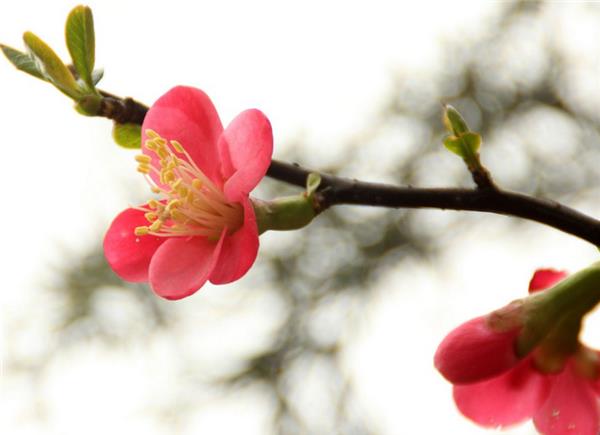
Winter Pest Control Methods for Chaenomeles cathayensis
As winter approaches, most flower pests and diseases enter an overwintering (or dormant) state in various ways. During this period, various pests and diseases are basically inactive, which makes it a good season for control. If control measures are effective, the occurrence and damage level of pests and diseases in the coming year can be greatly reduced, achieving twice the result with half the effort.
Clean the garden: The pathogens (fungi) or overwintering eggs of most flower pests and diseases overwinter in dead branches, fallen leaves or weeds in the garden, and become active again when conditions are suitable the following year. Therefore, thoroughly clearing and destroying dead branches, fallen leaves and weeds in the garden in winter and improving sanitation can greatly reduce various sources of pests and diseases. This has a remarkable effect on controlling anthracnose, powdery mildew, rust, red spider mites and moths on flowers and trees such as Chinese roses, roses, chrysanthemums, peonies, crabapples, as well as pagoda trees and willows.
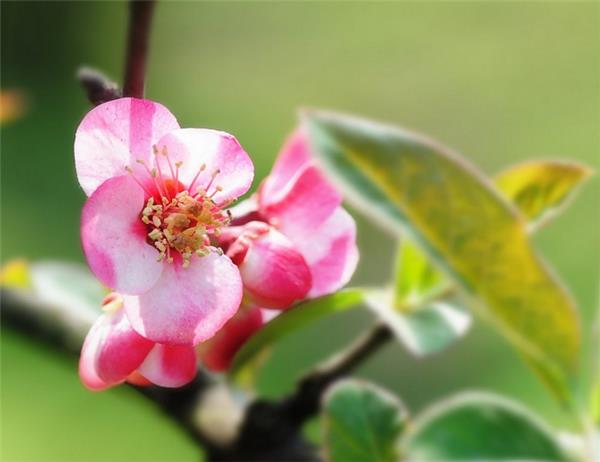
Prune branches and leaves carrying pests and diseases: Winter pruning is one of the important tasks in garden management. In conjunction with winter pruning, focus on cutting off branches and leaves carrying pests and diseases. The pruned diseased branches and leaves should be cleaned up promptly and transported out of the garden for centralized disposal.
Winter plowing and deep turning: Winter plowing and deep turning can cause the larvae, pupae and eggs of underground pests lurking in the soil, such as white grubs, cutworms, mole crickets and wireworms, to suffer mechanical damage, and after being exposed on the surface they can be pecked and eaten by natural enemies such as birds. When necessary, manual capture and killing can also be carried out. In addition, deep turning buries pathogens from the surface soil into deep soil layers, while pathogens in deep soil layers are turned up to the surface, destroying the suitable living environment for pests and diseases and effectively controlling their occurrence.
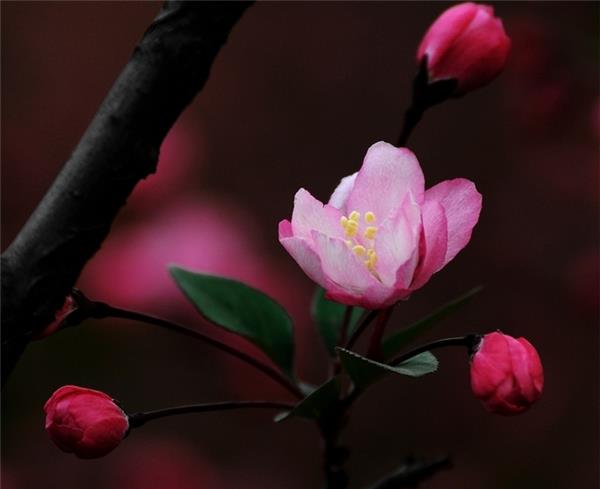
Whitewashing protection: Whitewashing trunks and branches can not only effectively prevent freezing damage and sunscald of flowers and trees in winter and improve their disease resistance, but also destroy the overwintering sites of pests and diseases, playing a dual role of both freeze prevention and insect killing. It is especially effective against mites, scale insects and others that overwinter in the bark. The commonly used whitewash formula is: quicklime 5 kg, lime sulfur mixture stock solution 0.2 kg, salt 0.3 kg, lard (other animal or vegetable oils may also be used) 0.2 kg, water 17 kg. Preparation method: First dissolve the quicklime and salt in water, then add the lard and lime sulfur mixture stock solution and stir thoroughly until evenly mixed. Special note: The quicklime must be fully dissolved, otherwise applying it to the trunks and branches of flowers and trees can easily cause burns.
Chemical control: Since various pests and diseases are mostly in a dormant state in winter, winter chemical control measures can be adopted for those pests and diseases that are difficult to control during their occurrence season. For example, spraying with 50-100 times diluted mineral oil emulsion can control scale insects, and applying 800 times diluted omethoate at 4 kg per sq m by irrigation can control chrysanthemum gall midges. Spraying 1% Bordeaux mixture 2-3 times in late winter can achieve good control effects on various diseases such as pear-juniper rust and rose black spot.
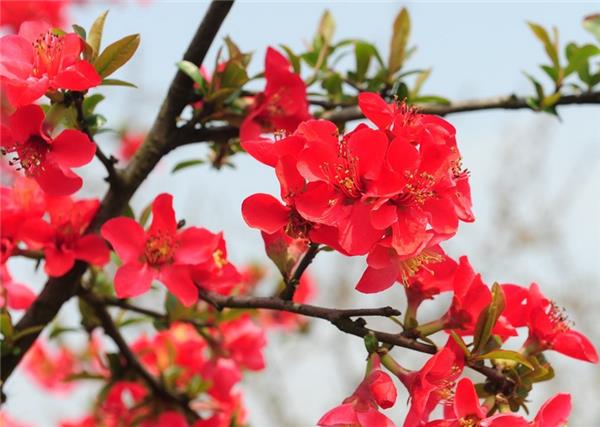
That is all for today's introduction to the winter pest control methods for Chaenomeles cathayensis. I hope the above content can be helpful to everyone!