A detailed guide to growing Chaenomeles cathayensis, from site selection to care
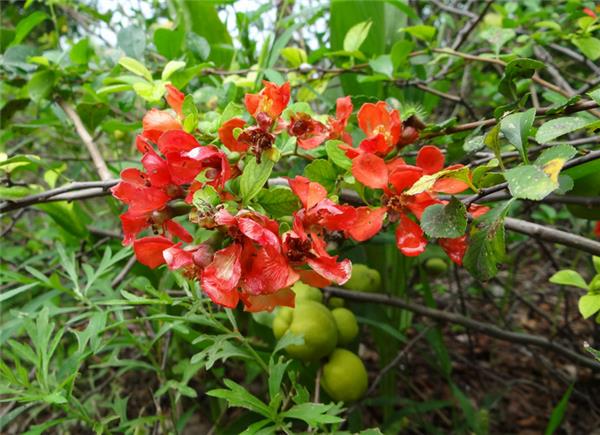
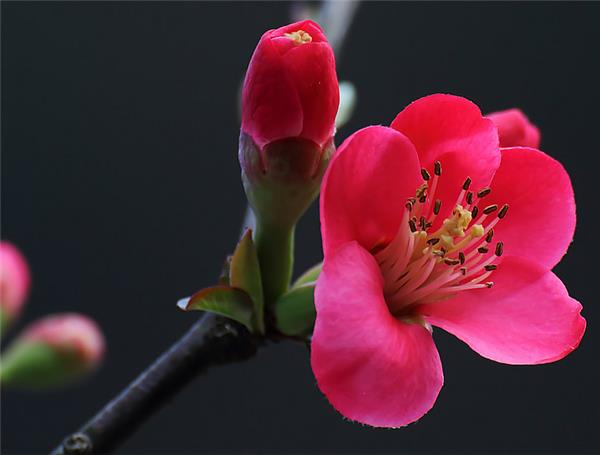
Chaenomeles cathayensis is a deciduous shrub or small tree, with a flowering period from March to May. Growing Chaenomeles cathayensis in courtyard pots is also very popular now. Below we introduce how to grow Chaenomeles cathayensis.
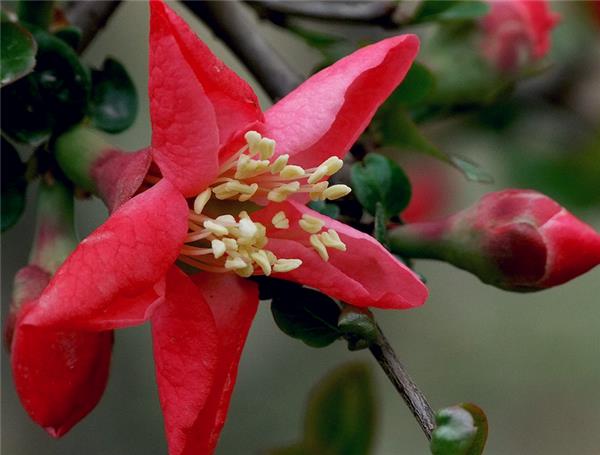
How to grow Chaenomeles cathayensis
Chaenomeles cathayensis can be propagated by sowing, division, cuttings, layering and other methods, and for some superior varieties, grafting can also be used.
Sowing
This is mostly used for varieties such as Chaenomeles cathayensis with a relatively high fruit-setting rate. After the fruit ripens in late autumn, peel off the seed coat, remove the flesh, take out the seeds, and stratify them in sand. Sow in March of the following year. Before sowing, the seeds can be soaked in warm water to promote germination. The seedbed can be made by mixing 2 parts decomposed sawdust and 3 parts yellow sandy soil. After sowing, cover with 2 cm of soil and cover with plastic film, then keep the soil moist. Seedlings emerge in about 40 days. After all seedlings have emerged, remove the plastic film, and when the seedlings are 10 cm tall, apply decomposed dilute liquid fertilizer. Do not divide the seedlings in the same year; transplant them into the ground in February or March of the second year. When the seedlings are 30 cm tall, pinch off the tips and set the trunk height to encourage more new branches. They can bloom after 2 to 3 years.
Division
This is mostly used for clustered plants and is generally carried out in late autumn or early spring. The method is to dig up the clustered mother plant from the soil and divide it, with each division having 2 to 3 branches and trunks. You can also dig up suckers beside the old plant and plant them separately, which also makes it easy to survive. Plants divided in late autumn should be heeled in to promote wound healing, and then planted out in the following spring. Those divided in early spring can be planted directly.
Cuttings
This is divided into two types: hardwood cuttings and softwood cuttings. No matter which kind of branch is used for cuttings, in order to promote rooting, ABT rooting powder can be used to treat the cuttings. The method is to prepare a solution of ABT rooting powder according to the proportion in the instructions, soak the base of the cuttings in it for 8 to 12 hours, and then insert them. In addition, root cuttings can also be used. The cutting medium should preferably be well-drained sandy soil or vermiculite.
The root cutting method is to take healthy thick roots while dividing plants, lay them flat in the soil, cover with soil, and seedlings will soon grow.
Layering
This is often used for prostrate creeping Chaenomeles, mostly carried out in spring. The method is to girdle a healthy growing branch and press it into the soil. It roots in 50 to 60 days, and in autumn or the following spring it is separated from the mother plant and planted separately.
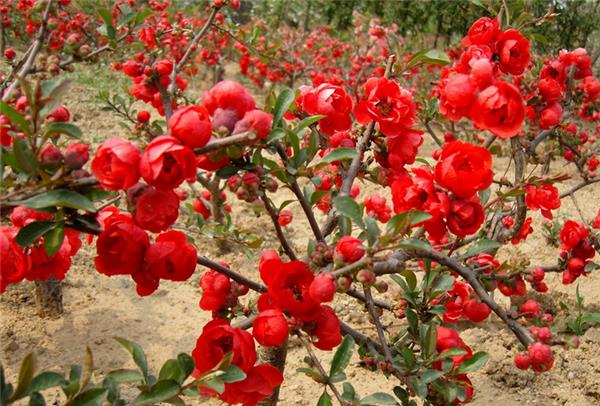
How to cultivate Chaenomeles cathayensis
1. Planting. It is generally planted in the ground, and can also be grown in pots to make bonsai. Plant in spring. Because it dislikes waterlogging, it should be planted in a slightly elevated, sunny place that is not prone to water accumulation. The soil should be neutral to slightly alkaline, with a pH value not lower than 7. The soil texture should be loose, but it must not be too fertile, as overly fertile soil easily causes excessive vegetative growth and fewer flowers. The planting hole should be determined according to the size of the root system, and should not be too deep or too large; it is best if the root system can spread out. The planting depth should preferably be 10 cm from the ground surface. It is best to plant with a soil ball. After planting, water thoroughly.
2. Light and temperature. Chaenomeles grows best in an environment with sufficient light, and grows poorly in a shaded environment. If grown in a pot, it should be placed in a place with sufficient light during the growing season. In winter, it will not suffer freeze damage even at a low temperature of -15°C, and can overwinter outdoors in the open ground. However, in an unusually cold winter, cold protection measures are needed.
3. Watering and fertilizing. Watering should be combined with fertilizing. After leaf fall each autumn, apply 1 heavy fertilizing to replenish the nutrients consumed by flowers and fruits; decomposed organic fertilizer is preferable. At the same time, combine it with winter irrigation. Before spring buds sprout, apply 1 application of organic fertilizer and water once thoroughly. The method of fertilizing in autumn and winter varies with tree age. For young trees, apply fertilizer in a ring-shaped trench, with the ring within 100 cm from the tree base; for older trees, dig radial trenches for fertilizing; for aged trees, combine mid-season hoeing and weeding with broadcasting organic fertilizer under the canopy, then turn the fertilizer into the ground 30 cm deep. After the flowers fade, apply phosphorus and potassium fertilizer 2 times as a top dressing to ensure a certain fruit-setting rate. At the same time, pay attention to watering.
4. Shaping and pruning. Chaenomeles flower buds are mostly formed by differentiation of terminal buds, and medium and short fruit branches are the main flowering branches, so medium and short fruit branches should be retained. Long branches should be shortened, and at the same time overly dense branches, dry dead branches, and pest- and disease-damaged branches should be cut off, then prune according to the desired tree shape. If you want a full tree crown, then thin out dense growth and keep sparse growth, cutting away overly dense branches, while for areas with sparse branches, prune downward to encourage more side branches and fill the gaps.